Sacking

GFTCL Standard Binola Bag

Standard Binola Bag

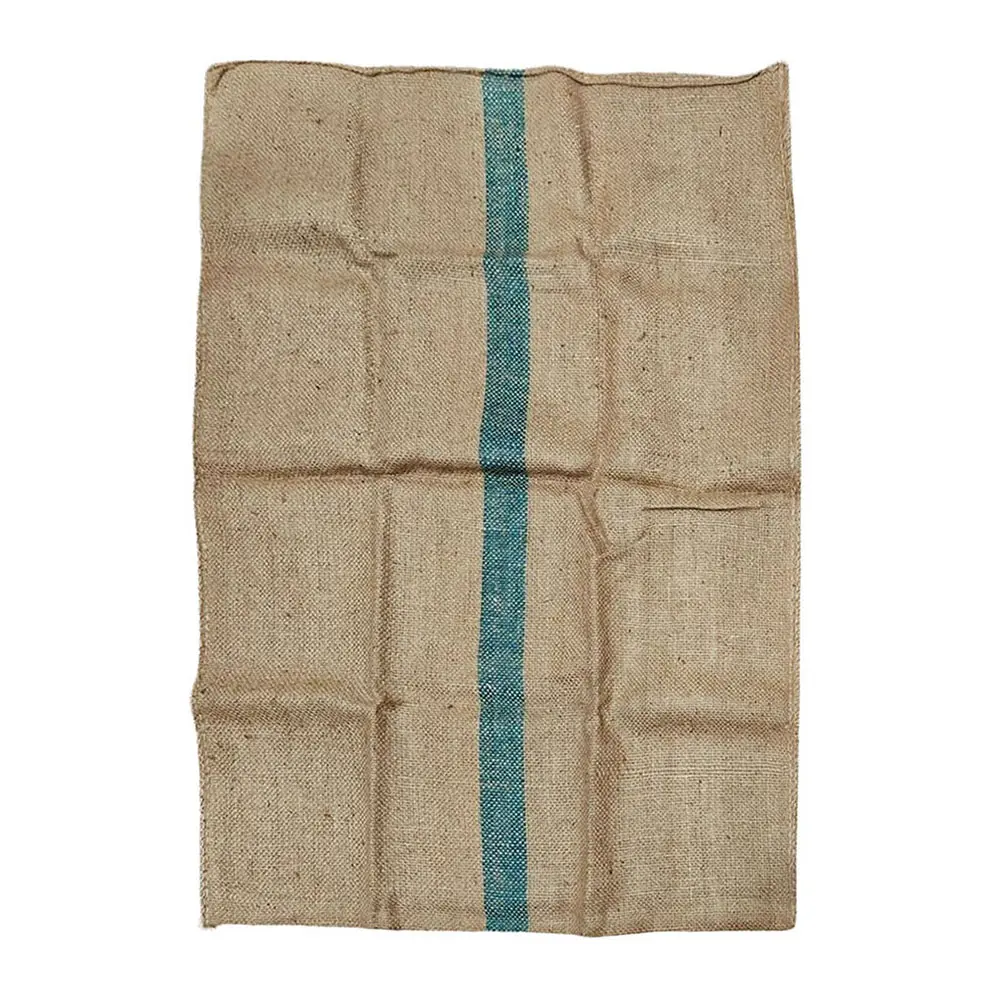
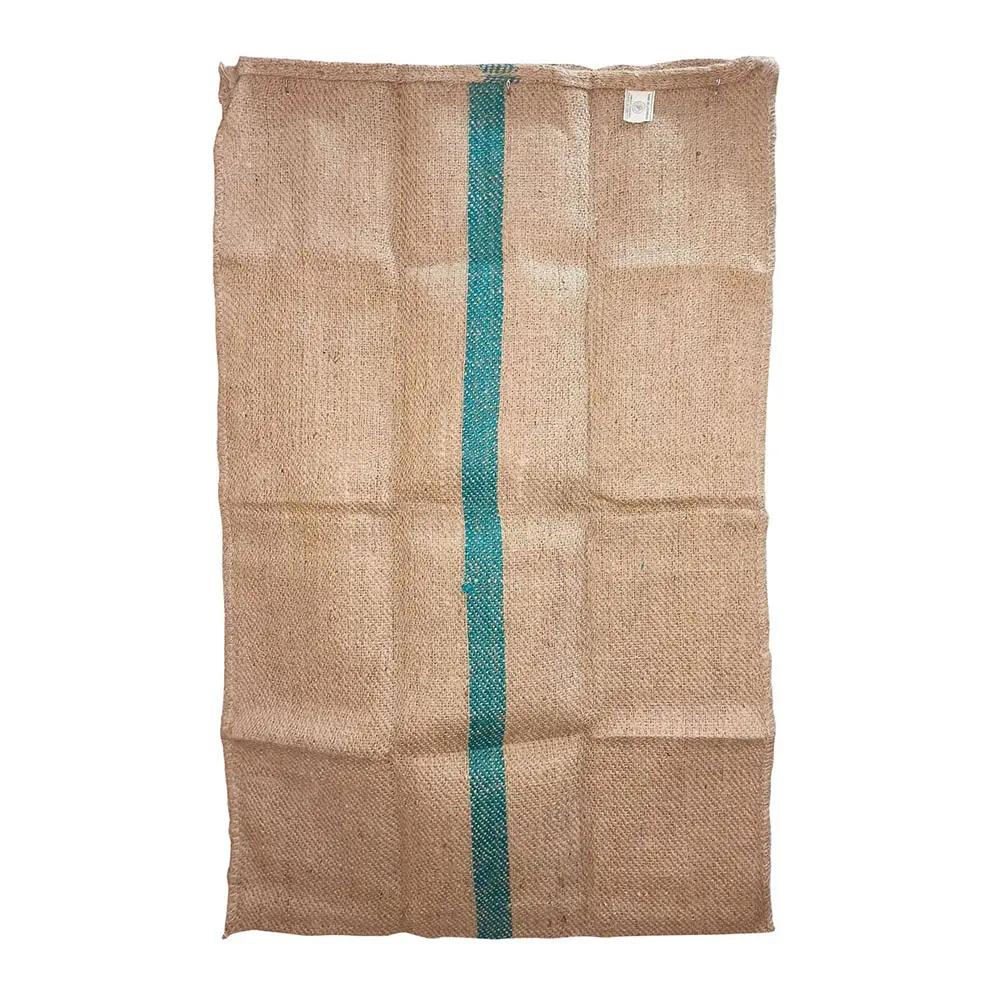
Standard B-Twill jute sacking bag for agricultural and industrial packaging from GFTCL Bangladesh

Standard B. Twill

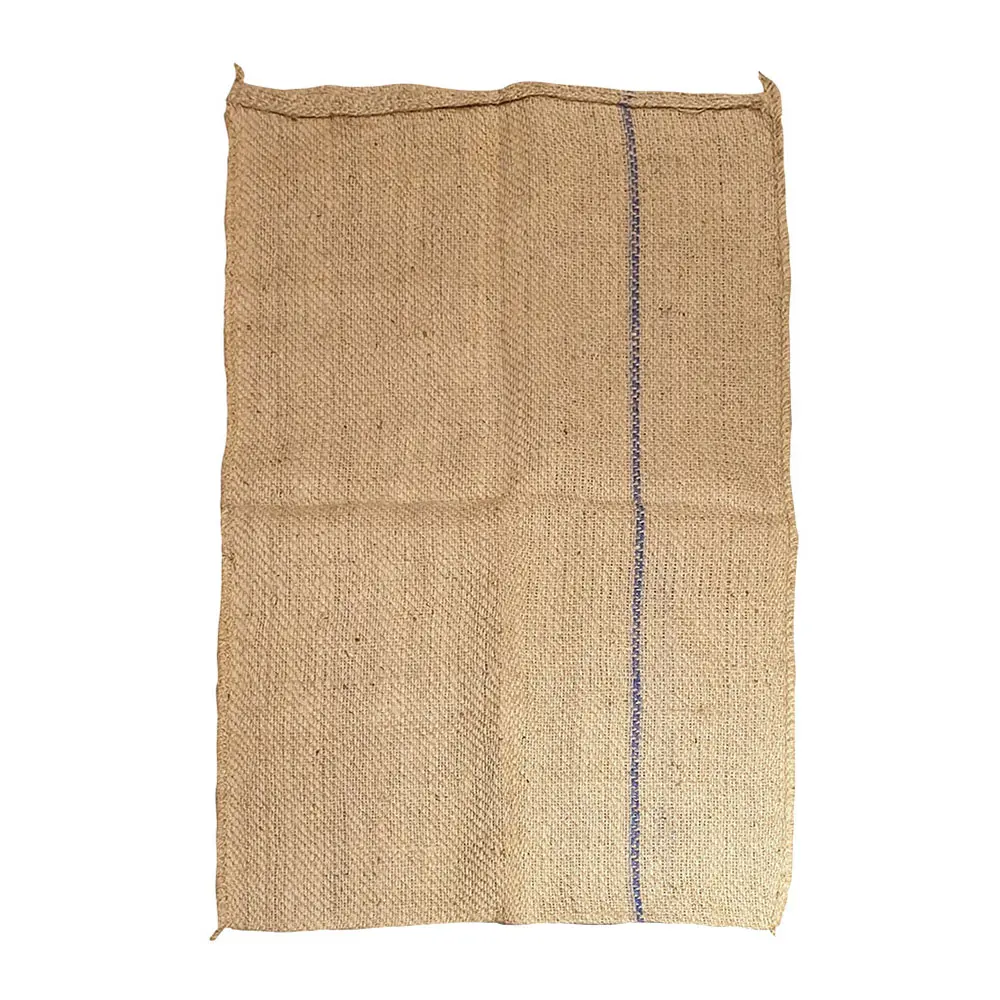
Standard Light CEES jute sacking bag for coffee, cocoa, cashew and grain packaging exported and manufactured by GFTCL Bangladesh

Standard Light Cees

STD. DW FB

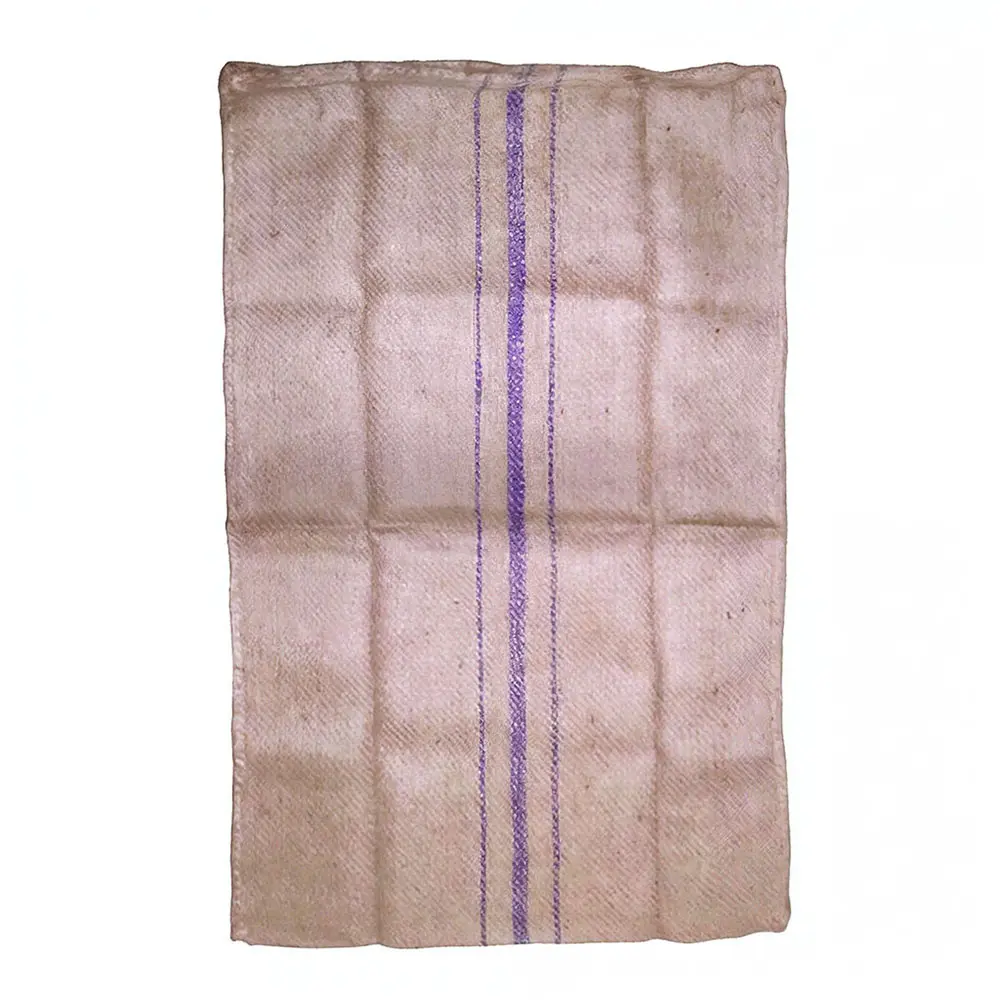
Standard L-Twill jute sacking bag for cotton and agricultural packaging Exported and manufactured by GFTCL Bangladesh

Standard L Twill

Sugar Twill jute sacking bag for sugar packaging Manufactured and Exported by GFTCL Bangladesh

Sugar Twill

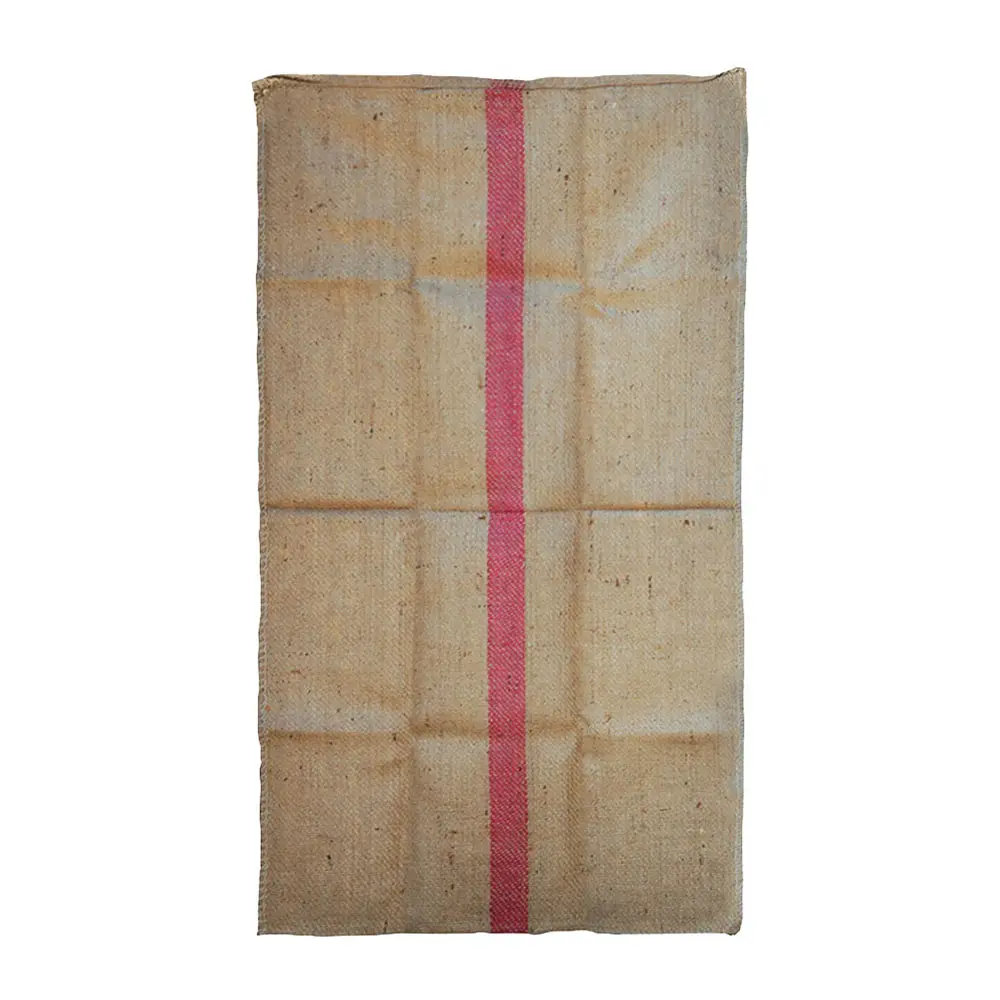
Standard Heavy CEES jute sacking bag for agricultural and industrial packaging Export & manufactured by GFTCL Bangladesh

Standard Heavy Cees

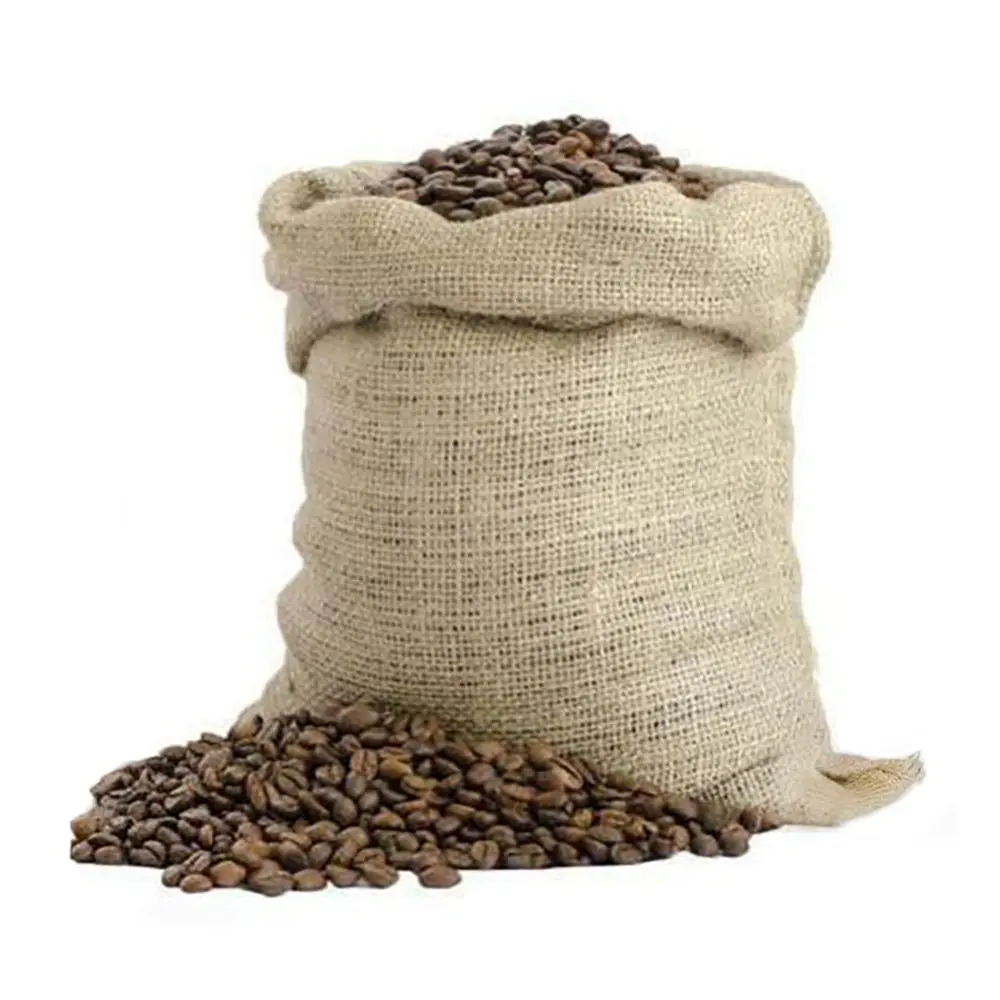
Coffee jute bag for coffee beans export packaging from Bangladesh GFTCL

Coffee Bag

Potato jute bag for agricultural storage and transportation from GFTCL Bangladesh The Golden Fibre Trade Centre Ltd

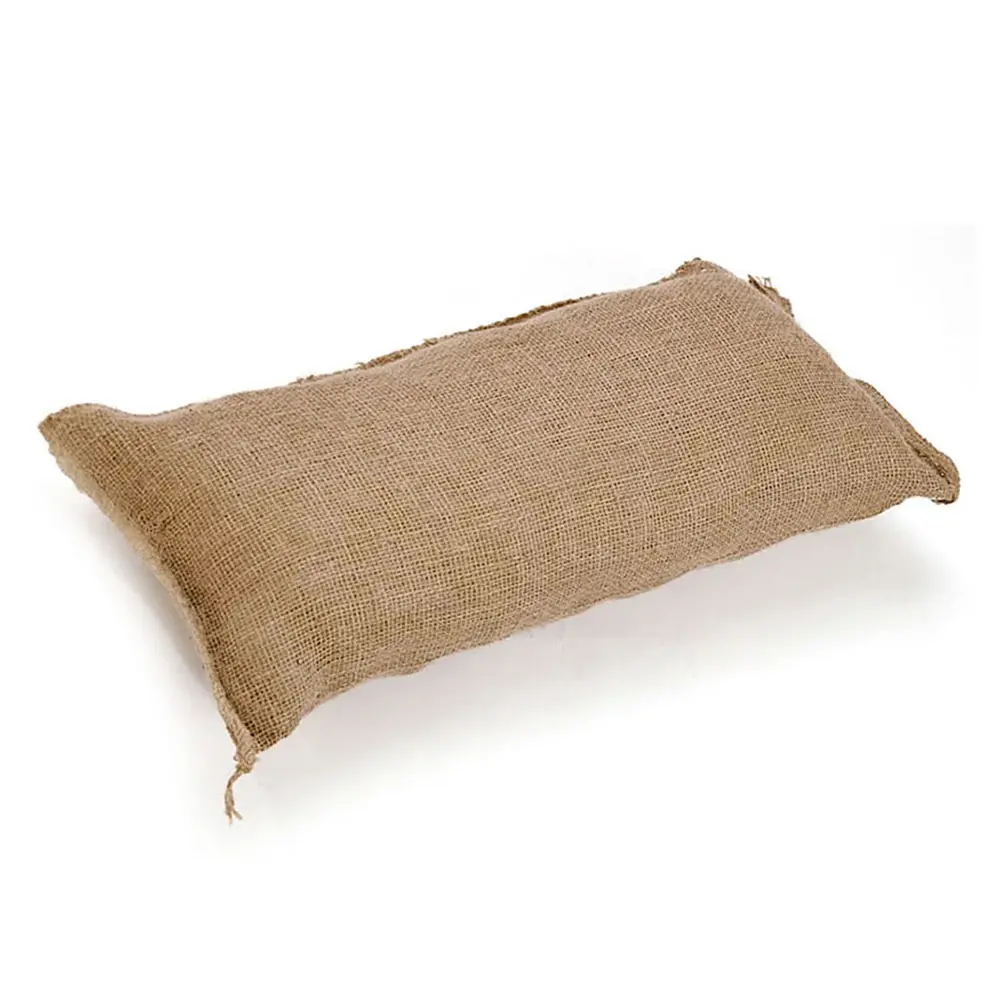
Sand Bag

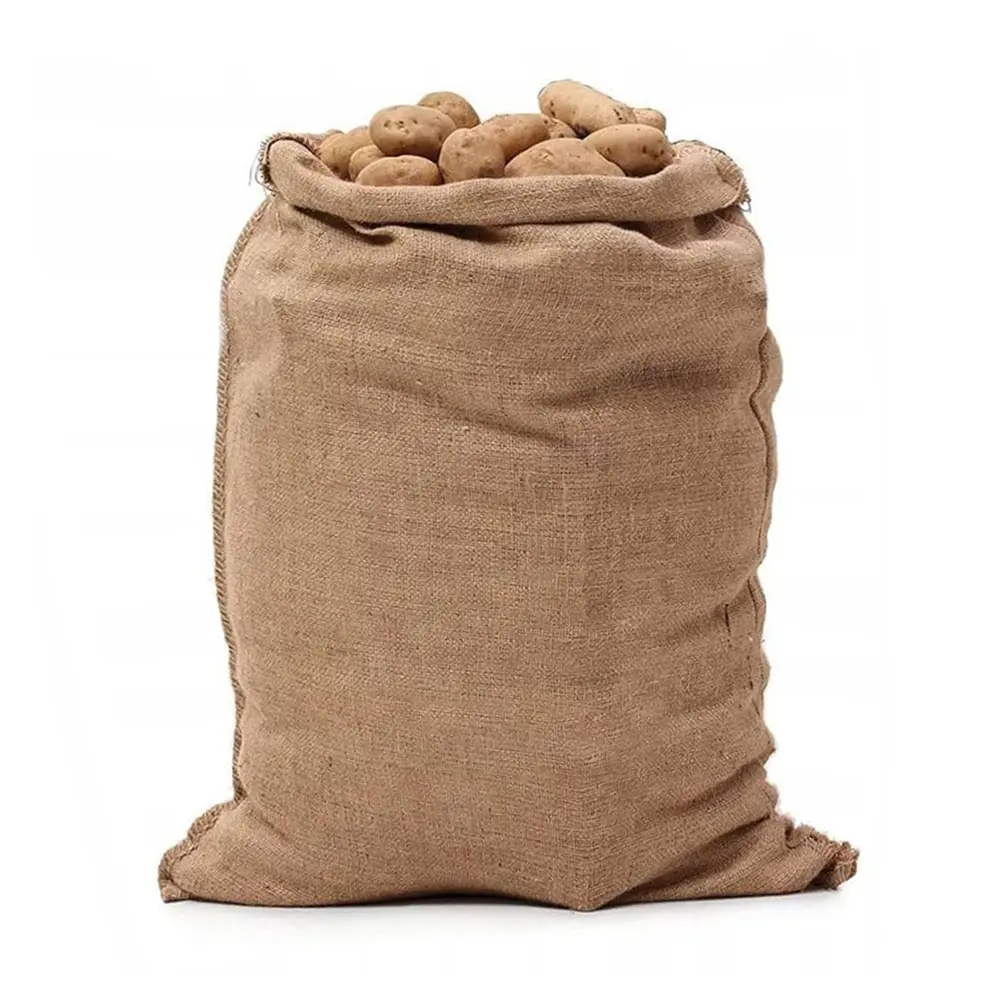
Potato jute bag for agricultural storage and transportation from GFTCL Bangladesh potato packaging jute bag for agricultural storage and transportation. Exported and Manufactured by GFTCL Bangladesh.

Potato Bag

Cut size Binola jute sacking bag for coffee packaging, cocoa packaging, cashew packaging, grain packaging, other agricultural packaging manufacturer and exporter by GFTCL Bangladesh

Cut Size Binola

Cut size DW FB jute sacking bag for coffee packaging, cocoa packaging, cashew packaging, grain packaging, other agricultural packaging manufacturer and exporter by GFTCL Bangladesh

Cut Size DW FB

Cut Size B Twill

cotton pack jute bag for raw cotton and cottonseed packaging manufactured and exported by GFTCL Bangladesh

Cotton Pack

rice packaging jute bag for storage. Exported and manufactured by GFTCL Bangladesh

Rice Bag

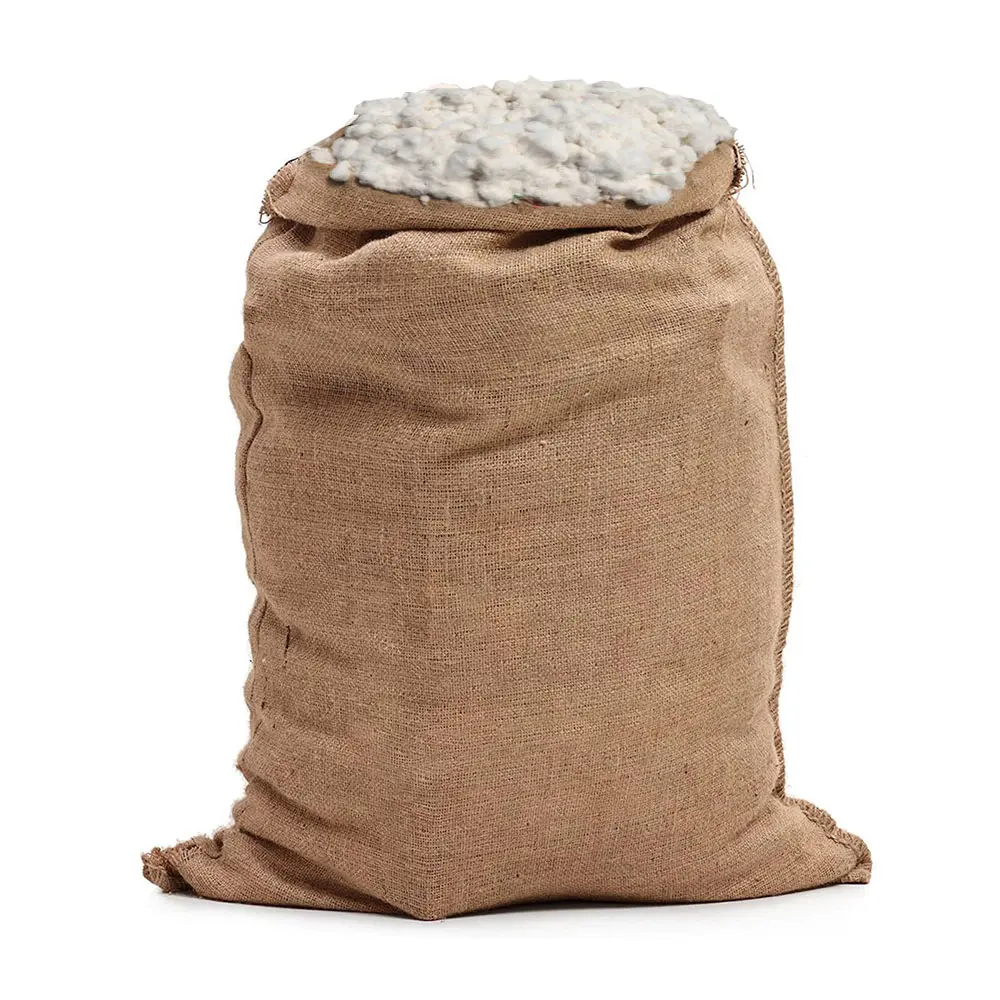
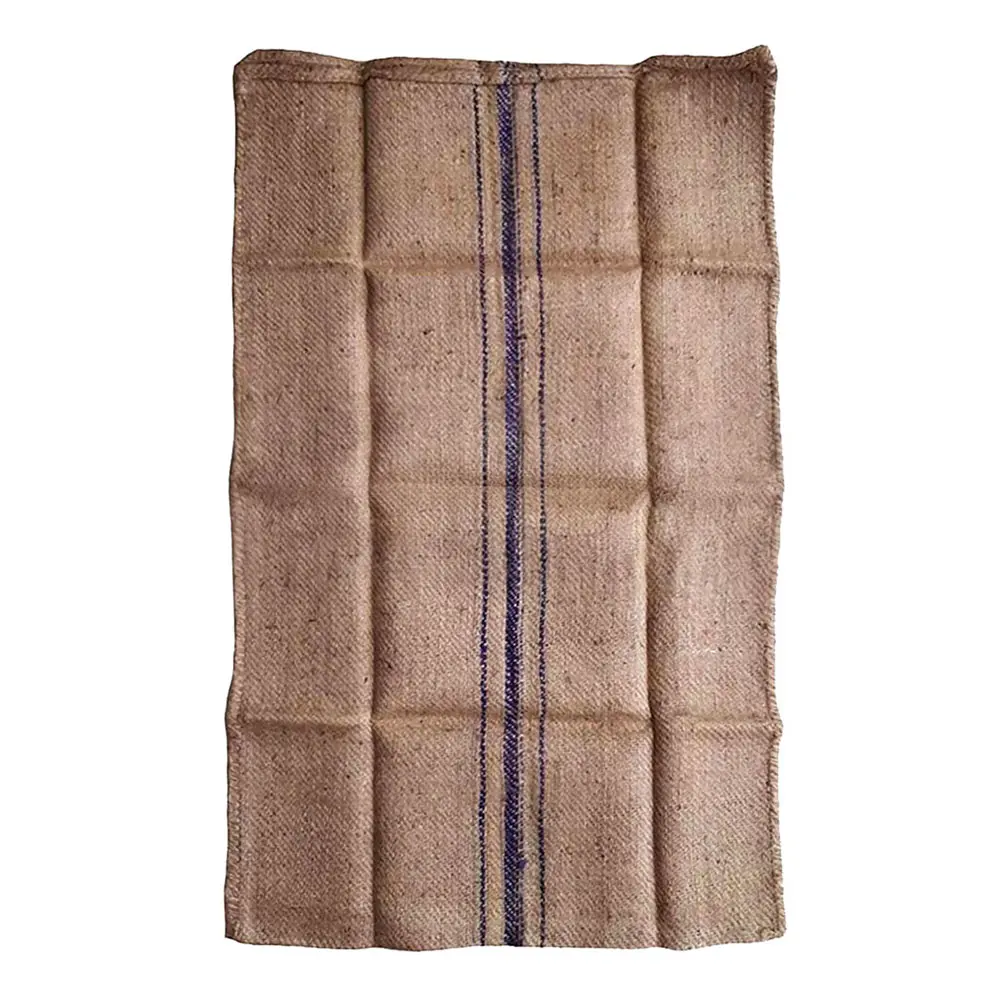
Sacking jute bags from GFTCL (The Golden Fibre Trade Centre Ltd.) are designed for strength, reliability, and sustainability in global agro-commodity packaging. Manufactured from high-quality natural jute fiber, GFTCL sacking bags offer excellent tensile strength and natural breathability, making them ideal for coffee, cocoa, grains, sugar, potatoes, fertilizers, and animal feed. These bags help reduce moisture buildup during storage and long-distance transportation while meeting international quality, food-grade, and export standards—positioning GFTCL as a trusted supplier of eco-friendly jute packaging worldwide.

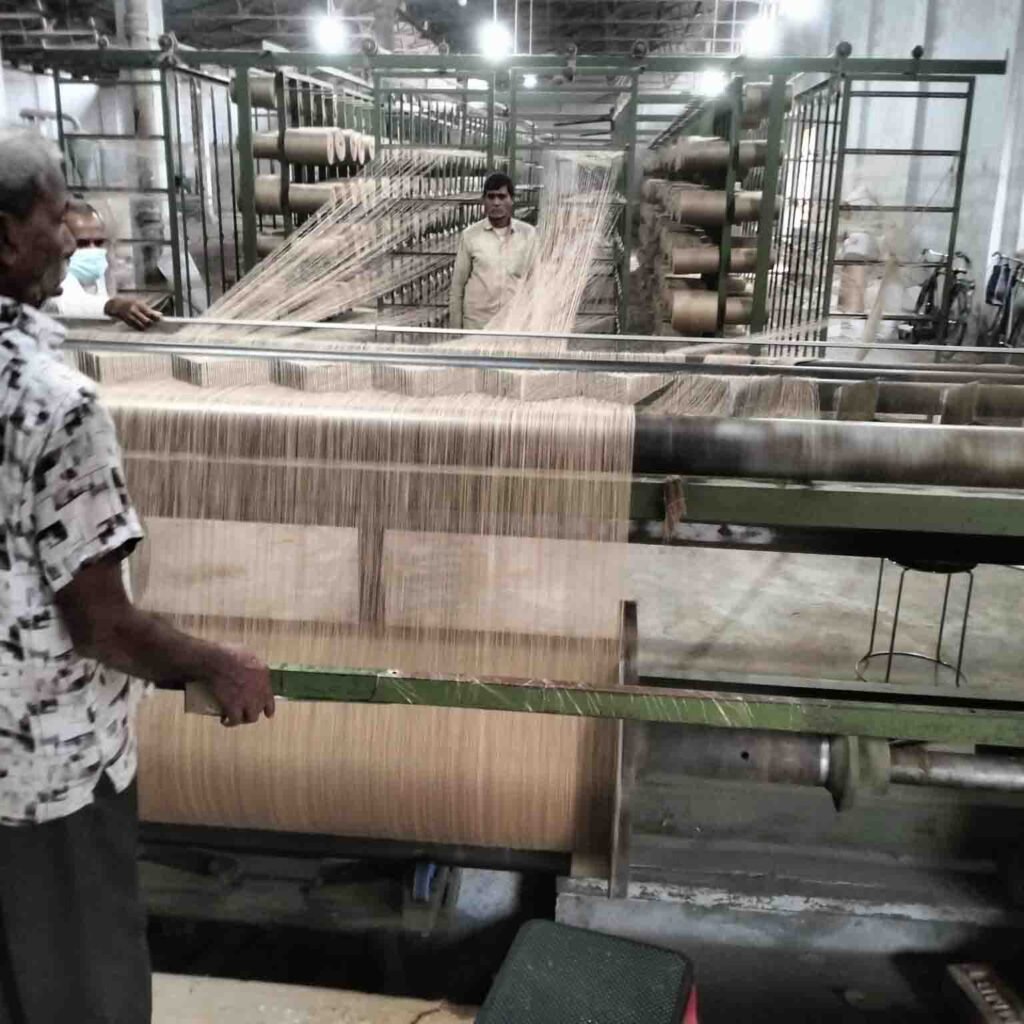
Jute is a natural, biodegradable plant fiber widely valued for its strength, versatility, and environmental benefits. Grown mainly in warm, humid regions, jute is extracted from the stem of the plant and processed into fiber through a natural retting method. The fiber is then spun and woven into products such as sacking bags, hessian cloth, yarn, ropes, carpets, and various eco-friendly packaging materials. Because jute is strong yet breathable, it is especially suitable for packing agricultural commodities like coffee, cocoa, grains, sugar, and potatoes, helping protect quality during storage and transportation. As a renewable fiber with a low carbon footprint that decomposes naturally without harming the environment, jute plays an important role in sustainable manufacturing and the global shift away from plastic-based materials.

Frequently Asked Question (FAQ)

1. Why is jute called the "Golden Fibre"?

Jute is known as the “Golden Fibre” because of its natural shimmering color and its immense economic importance. It is the second most produced and versatile natural fiber in the world after cotton.

Hessian is a lightweight, plain-weave fabric used for bags and upholstery. In contrast, Sacking is a thicker, heavy-duty material designed specifically to transport bulk goods like grains and sugar.

Jute is naturally breathable, allowing air to circulate and preventing moisture buildup that causes mold. This makes it superior to airtight plastic for preserving sensitive crops like coffee, cocoa, and grains.

Yes, jute is 100% biodegradable and carbon-negative, meaning it absorbs more co2 than it releases during cultivation. Unlike synthetic materials, it enriches the soil as it decomposes without leaving behind microplastics.

Jute is incredibly durable and can be reused many times for storage, gardening, or industrial purposes. Once it finally wears out, it can be recycled into paper or composted back into the earth.

Let’s Connect

and Create with Jute

We’d love to bring your ideas to life with our eco-friendly jute solutions. Have questions or ready to collaborate? Fill out the form below, and we’ll get back to you as soon as possible.

For Raw & Processed Jute Inquiries:

For Sacking, Hessian & Yarn Inquiries:

Email

Address

109 Masjid Road, Old DOHS Banani, Dhaka, Bangladesh.

Get In Touch with GFTCL