
Introduction to Export Quality Jute Bags
Export-quality jute bags are now at the center of global trade as industries move toward sustainable and environmentally responsible packaging solutions. The demand for natural fiber products continues to increase because businesses and consumers are actively reducing their dependence on plastic. In this evolving market, Bangladesh has established itself as the leading supplier of premium jute products, supported by strong manufacturing capability and consistent raw material quality. The Golden Fibre Trade Centre Ltd. has emerged as a trusted name in this industry by delivering high-standard jute bags and acting as a reliable jute yarn exporter for international buyers. The importance of export-quality jute bags goes beyond packaging. These products directly influence product safety, transportation efficiency, and brand value. When businesses choose high-quality jute bags, they reduce the risk of damage during shipping and improve overall logistics performance. This makes it essential for buyers to understand export standards and work with experienced Bangladesh jute exporters who can meet global requirements.
The Bangladesh jute industry continues to grow as international markets demand stronger, more sustainable packaging solutions. Export standards ensure that jute products meet strict quality benchmarks, allowing them to perform effectively in different conditions. GFTCL focuses on maintaining these standards by combining traditional expertise with modern production processes, ensuring that every shipment meets customer expectations.
Overview of the Bangladesh Jute Industry
The Bangladesh jute industry plays a vital role in the global supply chain by providing high-quality natural fiber products. The country produces a significant portion of the world’s jute, often referred to as the golden fiber because of its strength, versatility, and economic importance. Jute cultivation in Bangladesh benefits from favorable climatic conditions, fertile soil, and a long tradition of farming knowledge, which results in superior raw materials. The industry operates through a well-structured system that includes farmers, processors, mills, manufacturers, and exporters. Each stage contributes to the final quality of the product. Raw jute must be processed carefully before it is converted into yarn, which is then woven into fabric and transformed into finished goods such as jute bags. A reliable Bangladesh jute exporter ensures that every stage of this process meets strict quality standards. Premium jute products depend on consistency and precision. The Bangladesh jute industry has adapted to global demand by improving production techniques and maintaining strong quality control systems. This allows exporters like GFTCL to supply products that meet international standards while maintaining cost efficiency. As a result, buyers across different regions continue to rely on Bangladesh for their jute sourcing needs.
Importance of Export Standards in Jute Products
Export standards define the requirements that jute products must meet before they can be shipped to international markets. These standards cover multiple aspects, including material quality, manufacturing processes, durability, and compliance with environmental regulations. Without proper standards, products may fail to meet buyer expectations or regulatory requirements, leading to delays and financial losses. Export-quality jute bags must meet strict criteria to ensure performance and reliability. The fabric must have sufficient strength to carry heavy loads without tearing. The stitching must be durable and evenly aligned to prevent damage during handling. The dimensions must remain consistent to allow efficient packing and transportation. These factors are essential for maintaining product integrity and ensuring smooth logistics operations. A professional jute yarn exporter also plays a critical role in maintaining export standards. High-quality yarn ensures that the final product meets required strength and durability levels. GFTCL ensures that every stage of production follows strict quality guidelines, which helps deliver premium jute products that perform reliably in global markets .
Role of Raw Material Quality in Jute Export
Raw material quality is the foundation of export-quality jute bags. The strength, texture, and durability of jute products depend on the quality of the fibers used during production. High-grade fibers produce stronger yarn and better fabric, which improves the overall performance of the final product. Bangladesh is known for producing some of the finest jute fibers in the world. This advantage allows Bangladesh jute exporters to maintain high standards in their products. However, not all suppliers maintain the same level of quality. Buyers must ensure that their supplier uses high-quality raw materials and follows proper processing methods. GFTCL works closely with trusted sources to ensure that only premium fibers are used in production. This commitment to raw material quality helps maintain consistency and ensures that every product meets international standards. By focusing on quality at the source, the company ensures that its jute products perform effectively in various applications.
Manufacturing Process of Export Quality Jute Bags
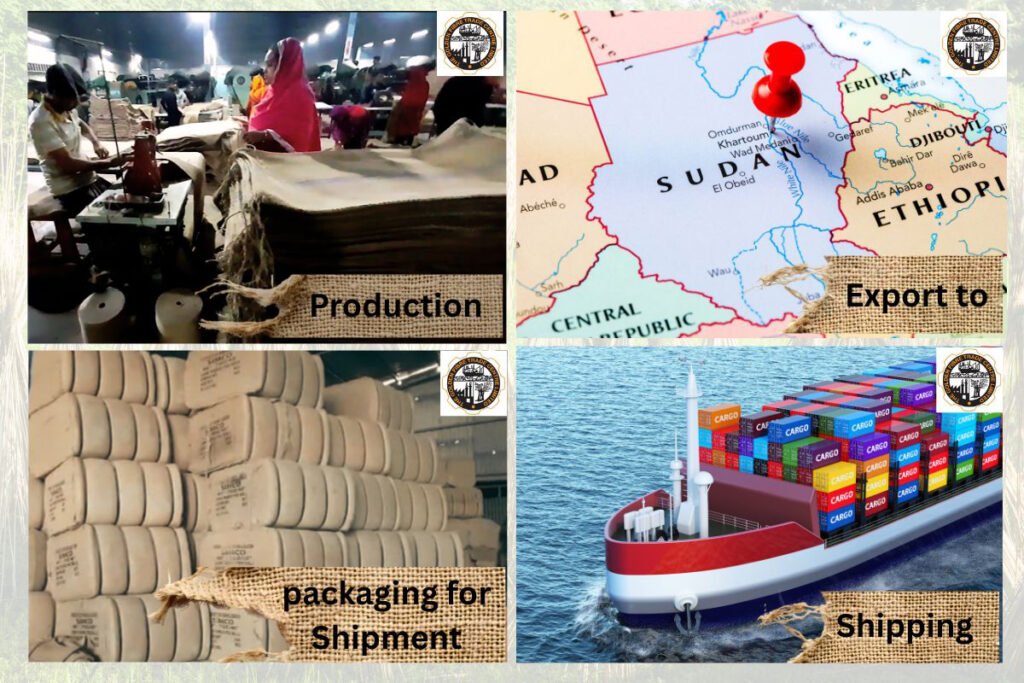
The manufacturing process of jute bags involves several stages, each of which contributes to the final quality of the product. The process begins with the extraction and processing of raw jute fibers. These fibers are then spun into yarn, which forms the base material for weaving. Weaving is a critical stage because it determines the strength and texture of the fabric. Skilled workers and advanced machinery ensure that the fabric meets required specifications. Once the fabric is ready, it is cut and stitched into bags according to the required size and design. Proper stitching ensures durability and prevents damage during use. The final stage involves finishing and quality inspection. This includes checking for defects, ensuring consistent dimensions, and preparing the products for shipment. A reliable Bangladesh jute exporter maintains strict quality control throughout this process to ensure that every product meets export standards. GFTCL follows these practices to deliver consistent and high-quality products to its clients.
Quality Control and Testing Standards
Quality control is essential for maintaining export standards in jute products. It involves inspecting raw materials, monitoring production processes, and testing finished products. Each stage ensures that the product meets required specifications and performs effectively in real-world conditions. Testing includes evaluating fabric strength, checking stitching durability, and verifying dimensions. These tests help identify potential issues before the product is shipped. Consistent quality control reduces the risk of defects and ensures that buyers receive reliable products. A trusted Bangladesh jute exporter implements structured quality control systems to maintain consistency. GFTCL conducts thorough inspections at every stage of production, which ensures that its products meet the highest standards. This commitment to quality builds trust and supports long-term business relationships.

Advanced Export Standards and Global Compliance Requirements
Export-quality jute bags must comply with a wide range of international standards to ensure that they are accepted in global markets without complications. These standards are not limited to physical product quality but also include safety, environmental regulations, and documentation accuracy. Buyers who import jute products from Bangladesh expect suppliers to understand these requirements and follow them strictly throughout the production and export process. One of the most important aspects of export standards is consistency. A shipment must not only meet specifications once but must maintain the same quality across every unit and every order. This consistency ensures that buyers can rely on the supplier for repeat business without the need for constant re-evaluation. A professional Bangladesh jute exporter ensures that production processes are standardized and that every batch is inspected before shipment. Companies like The Golden Fibre Trade Centre Ltd. maintain this level of discipline, which allows them to serve demanding international markets. Compliance with international standards also involves proper labeling, packaging, and adherence to destination country regulations. Some countries have strict requirements regarding product safety, environmental impact, and material composition. A reliable jute yarn exporter understands these requirements and ensures that products are manufactured accordingly. This reduces the risk of rejection, delays, or additional costs at the destination.
Certification and Quality Assurance in Jute Export
Certification plays a critical role in establishing trust between buyers and suppliers. International buyers often require proof that products meet specific quality and environmental standards. Certifications serve as a guarantee that the supplier follows recognized production practices and maintains consistent quality. In the jute industry, quality assurance begins with raw material selection and continues through every stage of production. A certified Bangladesh jute exporter ensures that processes are documented and monitored to maintain compliance with global standards. This includes maintaining proper records, conducting regular inspections, and ensuring that all products meet specified requirements before shipment. Companies like GFTCL emphasize quality assurance by implementing strict internal controls and working with reputable mills. This approach ensures that every product delivered to buyers meets high standards of durability and performance. Certification and quality assurance not only build confidence but also enhance the reputation of the supplier in international markets.
Packaging Standards for Export Quality Jute Bags
Packaging is a crucial element in the export process because it protects products during transportation and ensures efficient handling. Export-quality jute bags are typically packed in compressed bales to maximize container space and reduce shipping costs. Proper packaging ensures that the bags remain in good condition throughout the journey, even when exposed to different environmental conditions. The packaging process must follow specific standards to prevent damage and maintain product integrity. This includes using strong binding materials, maintaining consistent bale sizes, and ensuring that the products are clean and free from contamination. A reliable Bangladesh jute exporter ensures that packaging is done carefully and according to international requirements. In addition, packaging must include proper labeling to identify the contents and provide necessary information for customs clearance. This includes details such as product description, quantity, weight, and origin. Accurate labeling helps avoid delays and ensures smooth handling at ports and warehouses. GFTCL follows these packaging standards to ensure that its shipments reach buyers safely and efficiently.
Role of Documentation in International Jute Trade
Documentation is one of the most critical aspects of jute export because it ensures compliance with international trade regulations and facilitates smooth customs clearance. Accurate documentation reflects the professionalism of the supplier and reduces the risk of delays or complications.The export process requires several key documents, including commercial invoices, packing lists, bills of lading, and certificates of origin. Each document serves a specific purpose and must be prepared with precision. For example, the commercial invoice provides details of the transaction, while the packing list outlines the contents of the shipment. The bill of lading acts as proof of shipment and ownership, and the certificate of origin confirms the country where the products were manufactured. A professional Bangladesh jute exporter ensures that all documents are accurate and complete. Errors in documentation can lead to delays, additional costs, or rejection of the shipment. Companies like GFTCL prioritize accuracy and efficiency in documentation, which helps build trust with buyers and ensures smooth transactions.
Compliance with Environmental and Sustainability Regulations
Environmental compliance has become increasingly important in global trade as countries introduce stricter regulations to reduce environmental impact. Jute products have a natural advantage in this area because they are biodegradable and environmentally friendly. However, suppliers must still ensure that their production processes meet sustainability standards. A responsible Bangladesh jute exporter follows eco friendly practices such as using natural fibers, minimizing waste, and avoiding harmful chemicals. These practices not only comply with regulations but also enhance the value of the product in international markets. Buyers are more likely to choose suppliers who demonstrate a commitment to sustainability. GFTCL promotes environmentally responsible practices by offering premium jute products that meet global sustainability standards. This approach aligns with the growing demand for eco-friendly packaging and supports long-term business growth. By focusing on sustainability, suppliers can strengthen their market position and attract environmentally conscious buyers.
Importance of Product Traceability in Jute Export
Product traceability is an essential aspect of modern supply chains because it allows buyers to track the origin and production history of their products. This transparency is particularly important in industries where quality and sustainability are key concerns. A reliable Bangladesh jute exporter maintains detailed records of raw material sourcing, production processes, and shipment details. This information allows buyers to verify product authenticity and ensure compliance with standards. Traceability also helps identify and resolve issues quickly if they arise. Companies like GFTCL implement traceability systems to provide transparency and build trust with their clients. This level of accountability is essential for maintaining long-term relationships and ensuring consistent quality in global trade.
Challenges in Maintaining Export Standards
Maintaining export standards in the jute industry can be challenging due to factors such as fluctuating raw material quality, production variations, and logistical complexities. Suppliers must address these challenges effectively to ensure consistent performance. Raw jute quality can vary depending on seasonal conditions, which affects the final product. A professional Bangladesh jute exporter manages this risk by selecting high-grade fibers and maintaining strict quality control. Production challenges can be addressed through standardized processes and skilled workforce training. Logistical challenges, such as port congestion or shipping delays, can also impact export operations. Experienced suppliers plan shipments carefully and coordinate with logistics partners to minimize disruptions. Companies like GFTCL manage these challenges effectively through careful planning and strong operational control.
Building Buyer Confidence Through Compliance and Quality
Buyer confidence is built through consistent performance, compliance with standards, and transparent communication. When buyers receive products that meet their expectations consistently, they develop trust in the supplier and are more likely to continue the relationship. A reliable Bangladesh jute exporter focuses on delivering high-quality products, maintaining accurate documentation, and ensuring timely delivery. This combination of factors creates a positive experience for buyers and strengthens the supplier’s reputation in the market. GFTCL has built strong relationships with international buyers by maintaining high standards and providing reliable service. This approach not only ensures customer satisfaction but also supports long-term business growth. By focusing on compliance and quality, suppliers can establish themselves as trusted partners in global trade.
Supply Chain Structure in the Bangladesh Jute Industry
The supply chain of the Bangladesh jute industry is one of the most important elements that determines the success of export-quality jute products in global markets. A well-organized supply chain ensures that raw materials are sourced efficiently, production is carried out according to standards, and finished goods are delivered on time. Buyers who understand the structure of this supply chain are better positioned to select a reliable Bangladesh jute exporter and avoid operational risks. The supply chain begins with jute cultivation, where farmers grow and harvest raw jute fibers. These fibers are then processed through retting, drying, and grading before being sent to jute mills. At the mill level, the fibers are converted into yarn, which forms the base material for manufacturing various jute products. This stage is critical because the quality of yarn directly affects the strength and durability of the final product. A reliable jute yarn exporter ensures that only high-grade yarn is used in production. After yarn production, the next stage involves weaving and manufacturing. The yarn is woven into fabric, which is then cut and stitched into finished products such as jute bags or hessian cloth. Each stage must be carefully monitored to maintain consistency and quality. Exporters like The Golden Fibre Trade Centre Ltd. maintain strong control over this supply chain, ensuring that every step meets international standards. This integrated approach allows them to deliver premium jute products consistently to global buyers.
Production Control and Quality Consistency
Production control is essential for maintaining quality consistency in export-quality jute bags. Without proper control, variations in raw materials or manufacturing processes can lead to inconsistent products. This inconsistency can create challenges in packaging, transportation, and final usage, ultimately affecting customer satisfaction. A professional Bangladesh jute exporter implements structured production control systems that monitor every stage of manufacturing. This includes checking raw materials before production, supervising weaving processes, and conducting inspections during stitching and finishing. By maintaining strict oversight, exporters ensure that each product meets the required specifications. Consistency is particularly important in large-scale exports where buyers expect uniform quality across thousands of units. Companies like GFTCL achieve this by standardizing production processes and working with experienced manufacturers. Their focus on quality control helps reduce defects and ensures that products perform reliably in international markets.
Cost Optimization Through Efficient Manufacturing
Cost optimization is a key objective for both buyers and suppliers in the jute export industry. Efficient manufacturing processes help reduce production costs while maintaining high-quality standards. This balance is essential for providing competitive pricing without compromising product performance. One of the main factors influencing cost is raw material efficiency. By selecting high-quality fibers and minimizing waste during production, suppliers can improve overall efficiency. In addition, modern machinery and skilled labor contribute to faster production and lower operational costs. A reliable Bangladesh jute exporter focuses on optimizing every stage of production to achieve cost efficiency. This includes improving workflow, reducing material waste, and ensuring that products are manufactured correctly the first time. Companies like GFTCL adopt these practices to provide premium jute products at competitive prices, which benefits both the supplier and the buyer.
Impact of Supply Chain Efficiency on Export Performance
Supply chain efficiency directly affects export performance by determining how quickly and reliably products can be delivered to international buyers. An efficient supply chain reduces delays, improves coordination, and ensures that products reach their destination on time. Delays in any stage of the supply chain can disrupt operations and increase costs. For example, delays in raw material sourcing can affect production schedules, while logistical issues can delay shipments. A professional Bangladesh jute exporter anticipates these challenges and plans accordingly to minimize disruptions.
Companies like GFTCL maintain strong relationships with suppliers, manufacturers, and logistics partners to ensure smooth operations. This coordinated approach improves efficiency and allows them to meet delivery deadlines consistently. Buyers who work with such exporters benefit from reliable supply chains and reduced operational risks.
Global Buyer Strategy for Sourcing Jute Products
Global buyers must adopt a strategic approach when sourcing jute products from Bangladesh. This involves evaluating suppliers, understanding market conditions, and planning purchases effectively. A well-defined strategy helps buyers achieve better results and avoid common mistakes. The first step in buyer strategy is identifying reliable suppliers who can meet quality and delivery requirements. Buyers should conduct thorough research, request samples, and verify supplier credentials before making a decision. This ensures that they work with trustworthy partners who can deliver consistent results. The next step involves negotiating terms such as pricing, payment conditions, and delivery schedules. Buyers must ensure that agreements are clear and balanced, which helps prevent misunderstandings and disputes. Building long-term relationships with suppliers is another important aspect of buyer strategy. Companies like GFTCL focus on long-term partnerships, which provides stability and reliability for global buyers.
Role of Technology in Modern Jute Export
Technology has become an important factor in improving efficiency and quality in the jute export industry. Modern machinery and digital tools help streamline production processes, reduce errors, and improve communication between suppliers and buyers. In manufacturing, advanced weaving machines and quality control systems ensure consistent product quality. Digital tools enable better tracking of orders, production progress, and shipment details. This transparency helps buyers stay informed and reduces uncertainty in the supply chain. A forward-thinking Bangladesh jute exporter adopts technology to enhance operations and provide better service. Companies like GFTCL integrate modern practices into their processes, which allows them to meet the evolving demands of global markets. This combination of traditional expertise and modern technology strengthens their competitive position.
Managing Logistics and Shipping Operations
Logistics management is a critical component of jute export because it ensures that products are transported efficiently from the factory to the destination. Proper planning and coordination are required to manage container booking, port operations, and shipping schedules. Export-quality jute bags must be packed carefully to maximize container space and protect products during transit. Efficient packing reduces shipping costs and ensures that goods arrive in good condition. A reliable Bangladesh jute exporter coordinates with freight forwarders and shipping lines to ensure timely delivery. GFTCL provides comprehensive logistics support, including shipment tracking and documentation management. This helps buyers monitor their shipments and ensures that products reach their destination without delays. Effective logistics management enhances overall efficiency and supports smooth international trade.
Importance of Supplier Coordination and Collaboration
Supplier coordination is essential for maintaining a smooth supply chain and ensuring consistent product quality. Exporters must work closely with mills, manufacturers, and logistics partners to ensure that every stage of the process is aligned. Collaboration helps address challenges quickly and ensures that production and delivery schedules are met. A professional Bangladesh jute exporter maintains strong communication with all stakeholders, which improves efficiency and reduces risks. Companies like GFTCL emphasize collaboration as part of their business approach. By maintaining strong relationships with their partners, they ensure that operations run smoothly and that buyers receive high-quality products on time. This collaborative approach supports long-term success in global markets.
Global Market Trends for Jute Products
The global market for jute products has undergone a significant transformation in recent years as sustainability has become a central focus for businesses and governments. Export-quality jute bags are now widely recognized as a practical alternative to plastic packaging, especially in industries such as coffee, cocoa, agriculture, and retail. This shift has created strong demand for reliable Bangladesh jute exporters who can supply premium jute products that meet international standards. One of the most important trends in the market is the increasing preference for biodegradable and environmentally friendly materials. Consumers are becoming more aware of environmental issues, and businesses are responding by adopting sustainable packaging solutions. Jute products fit perfectly into this trend because they are natural, renewable, and biodegradable. As a result, countries across Europe, North America, and Asia are increasing their imports of jute bags and related products. Another trend is the growing demand for high-quality and customized products. Buyers are no longer satisfied with standard products and often require specific sizes, designs, and branding options. This has pushed Bangladesh jute exporters to improve their production capabilities and offer more flexible solutions. Companies like The Golden Fibre Trade Centre Ltd. have adapted to these changes by providing customized premium jute products that meet diverse market requirements.
Changing Buyer Expectations in International Trade
Buyer expectations in international trade have evolved significantly, especially in the jute industry. Modern buyers expect not only high-quality products but also reliable service, transparent communication, and efficient logistics. These expectations have raised the standards for suppliers and made it essential for exporters to improve their overall performance. One of the key expectations is consistency. Buyers want assurance that every shipment will meet the same quality standards as previous orders. This requires strict quality control and standardized production processes. A reliable Bangladesh jute exporter ensures that consistency is maintained across all shipments, which builds trust and supports long-term relationships.
Another expectation is transparency. Buyers expect clear information about product specifications, pricing, and delivery timelines. They also want updates on production progress and shipment status. Companies like GFTCL meet these expectations by maintaining open communication and providing accurate information throughout the process. This level of transparency enhances customer confidence and improves overall satisfaction.
Common Buyer Mistakes in Jute Sourcing
Despite the availability of information, many buyers make mistakes when sourcing jute products from Bangladesh. One of the most common mistakes is focusing only on price. While low prices may seem attractive, they often result in poor-quality products that do not meet required standards. This can lead to higher long-term costs due to product damage, inefficiency, and replacement needs. Another mistake is failing to verify the supplier’s production capability. Some suppliers may act as intermediaries without direct control over manufacturing processes. This can lead to inconsistent quality and delays. Buyers must ensure that their supplier has strong production networks and maintains strict quality control. Lack of proper communication is another issue that can create misunderstandings. Buyers who do not clearly define their requirements may receive products that do not meet their expectations. Working with an experienced Bangladesh jute exporter like GFTCL helps avoid these mistakes because they provide professional guidance and ensure clear communication throughout the process.
Detailed Pricing Strategy in the Jute Industry
Pricing in the jute industry is influenced by several factors, including raw material cost, production efficiency, labor, and global market demand. Raw jute prices can fluctuate based on seasonal conditions, which directly affects the cost of finished products. In addition, customization and product specifications can also influence pricing. Buyers must understand that pricing is not just about cost but about overall value. Premium jute products may have a higher initial price, but they provide better durability, consistency, and performance. This leads to improved efficiency and lower long-term costs. For example, high-quality jute bags allow better stacking in containers, which increases capacity and reduces shipping costs per unit. A professional Bangladesh jute exporter provides transparent pricing and explains the factors that influence cost. Companies like GFTCL focus on delivering value rather than just low prices, which ensures better outcomes for buyers. By understanding pricing strategies, buyers can make informed decisions and achieve cost efficiency.
Competitive Positioning of Bangladesh Jute Exporters
Bangladesh holds a strong competitive position in the global jute market due to its natural advantages and established industry infrastructure. The country produces high-quality jute fibers and has developed a comprehensive supply chain that supports large-scale production and export. One of the main strengths of Bangladesh jute exporters is their ability to offer competitive pricing while maintaining quality. This combination makes them attractive to buyers who seek cost-effective solutions without compromising performance. In addition, the country’s experience in jute production allows exporters to meet diverse market requirements. Companies like GFTCL enhance this competitive position by focusing on quality, reliability, and customer service. Their ability to deliver consistent products and maintain strong relationships with buyers gives them an edge in the global market. This competitive positioning ensures that Bangladesh remains a leading supplier of jute products worldwide.
Role of Branding and Presentation in Jute Products
Branding and presentation have become increasingly important in the jute industry as businesses seek to differentiate themselves in competitive markets. Jute products are no longer used only for industrial purposes but are also used in retail and consumer applications. This has increased the demand for aesthetically appealing designs and high-quality finishing. A reliable Bangladesh jute exporter must be able to provide customization options such as printing, labeling, and design modifications. These features allow businesses to align packaging with their brand identity and improve product presentation. High-quality finishing enhances the overall appearance of the product and creates a positive impression on customers. GFTCL supports branding by offering customized solutions that meet specific client requirements. This capability allows buyers to create unique products that stand out in the market and strengthen their brand image.
Long-Term Market Growth and Opportunities
The future of the jute industry is closely linked to global sustainability trends and the increasing demand for eco-friendly products. As governments introduce stricter regulations on plastic usage, the demand for jute products is expected to grow significantly. This creates new opportunities for Bangladesh jute exporters to expand their market presence. Innovation and product development will play a key role in capturing these opportunities. Suppliers who invest in research and development can create new products that meet evolving market needs. This includes developing lighter, stronger, and more versatile jute materials for different applications. Companies like GFTCL are well positioned to benefit from these trends due to their focus on quality, sustainability, and customer satisfaction. By adapting to market changes and investing in innovation, they can continue to grow and maintain their leadership in the global jute industry.
Advanced Buyer Evaluation Framework for Selecting a Bangladesh Jute Exporter
Selecting the right Bangladesh jute exporter requires a structured evaluation framework that goes beyond basic checks and short-term considerations. Buyers who operate in international markets must assess suppliers with a long-term perspective, focusing on performance, consistency, and strategic alignment. A strong evaluation framework helps buyers compare suppliers objectively and identify the one that can deliver the highest value over time.
The first element of this framework is quality assurance capability. Buyers must confirm that the supplier maintains strict control over raw material selection, production processes, and final inspection. This ensures that export-quality jute bags meet required standards consistently. The second element is production reliability, which includes the supplier’s ability to meet deadlines and handle large orders without compromising quality. This is particularly important for buyers with continuous demand or time-sensitive operations. The third element is communication and transparency. A professional Bangladesh jute exporter provides clear updates, accurate documentation, and prompt responses to inquiries. This level of communication reduces uncertainty and builds trust. Companies like The Golden Fibre Trade Centre Ltd. follow these principles by maintaining structured processes and ensuring that buyers are informed at every stage. When buyers apply a comprehensive evaluation framework, they can select suppliers who support long-term business success rather than short-term gains.
Risk Management in Jute Product Sourcing
Risk management is a critical aspect of sourcing jute products because international trade involves multiple variables that can affect outcomes. Buyers must identify potential risks and take preventive measures to minimize their impact. One of the primary risks is inconsistent product quality, which can arise from poor raw material selection or inadequate quality control. This risk can be reduced by working with experienced Bangladesh jute exporters who maintain strict production standards. Another major risk is delivery delay. Delays can occur due to production issues, logistical challenges, or external factors such as port congestion. These delays can disrupt supply chains and lead to financial losses. Buyers should evaluate the supplier’s logistics planning and ensure that they have a reliable system for managing production and shipment schedules. A well-organized exporter anticipates potential delays and implements strategies to mitigate them. Financial risk is also an important consideration. Buyers must ensure that payment terms are clear and that transactions are conducted securely. Working with trusted suppliers like GFTCL reduces financial risk because they have established reputations and transparent business practices. By implementing effective risk management strategies, buyers can achieve more stable and predictable sourcing operations.
Importance of Sample Approval and Pre-Shipment Inspection
Sample approval is a crucial step in the sourcing process because it establishes a clear standard for production. A sample represents the exact specifications and quality that the buyer expects in the final product. Buyers must evaluate the sample carefully, checking factors such as fabric strength, stitching quality, and dimensional accuracy. Once the sample is approved, the supplier must ensure that bulk production matches the approved standard. This requires strict quality control and consistent manufacturing processes. Pre-shipment inspection is another important step that verifies product quality before the goods are dispatched. This inspection helps identify any issues and ensures that only compliant products are shipped. A reliable Bangladesh jute exporter emphasizes both sample approval and pre-shipment inspection to maintain quality consistency. Companies like GFTCL follow these practices to ensure that buyers receive products that meet their expectations. This approach reduces the risk of disputes and enhances customer satisfaction.
Supplier Performance Monitoring and Continuous Improvement
Supplier selection is not a one-time decision but an ongoing process that requires continuous monitoring and improvement. Buyers must evaluate supplier performance regularly to ensure that standards are maintained and that any issues are addressed promptly. This includes reviewing product quality, delivery timelines, and communication effectiveness. Performance monitoring allows buyers to identify trends and make informed decisions about future orders. It also provides an opportunity for suppliers to improve their processes and address any weaknesses. A professional Bangladesh jute exporter values feedback and uses it to enhance their operations. Companies like GFTCL focus on continuous improvement by analyzing performance data and implementing changes where necessary. This commitment to improvement ensures that they remain competitive and continue to meet the evolving needs of global buyers. By maintaining a proactive approach to performance monitoring, buyers and suppliers can achieve long-term success.
Strategic Sourcing and Long-Term Partnership Development
Strategic sourcing involves selecting suppliers based on long-term value rather than short-term cost advantages. Buyers who adopt this approach focus on building strong partnerships with reliable suppliers. These partnerships provide stability, improve efficiency, and support business growth. A long-term partnership with a trusted Bangladesh jute exporter offers several benefits. It improves communication, reduces the need for constant supplier evaluation, and ensures consistent product quality. Over time, the supplier gains a deeper understanding of the buyer’s requirements and can provide customized solutions that add value. Companies like GFTCL emphasize partnership development by maintaining strong relationships with their clients. They prioritize customer satisfaction and work closely with buyers to meet their needs. This collaborative approach creates a stable foundation for growth and helps both parties achieve their objectives.
Final Decision Strategy for Choosing the Best Jute Exporter
The final decision in selecting a jute exporter should be based on a balanced evaluation of all key factors, including quality, reliability, pricing, and long-term value. Buyers must avoid focusing on a single factor and instead consider the overall performance of the supplier.
Quality should always be the primary consideration because it directly affects product performance and customer satisfaction. Reliability ensures that shipments are delivered on time and meet expectations. Pricing should be evaluated in terms of value rather than cost, taking into account the long-term benefits of high-quality products. A structured decision strategy helps buyers compare suppliers effectively and choose the one that best meets their requirements. Companies like GFTCL consistently perform well across all these factors, making them strong candidates for long-term partnerships. By following a disciplined decision-making process, buyers can achieve better results and minimize risks.
Integration of Sustainability into Supplier Selection
Sustainability has become an essential factor in supplier selection as businesses aim to reduce their environmental impact. Jute products offer a natural solution because they are biodegradable and renewable. However, buyers must ensure that their supplier follows environmentally responsible practices throughout the production process. A responsible Bangladesh jute exporter uses sustainable raw materials, minimizes waste, and avoids harmful chemicals. These practices not only comply with regulations but also enhance the value of the product. Buyers who prioritize sustainability can strengthen their brand image and meet the expectations of environmentally conscious customers. GFTCL integrates sustainability into its operations by promoting eco-friendly jute products and maintaining responsible production practices. This commitment aligns with global trends and supports long-term growth. By choosing suppliers who prioritize sustainability, buyers can achieve both commercial and environmental benefits.
Final Review Before Order Confirmation
Before confirming an order, buyers must conduct a final review to ensure that all details are clear and agreed upon. This includes verifying product specifications, pricing, delivery timelines, and payment terms. A thorough review helps prevent misunderstandings and ensures that both parties are aligned. Buyers should also confirm that all documentation requirements are understood and that the supplier is prepared to provide accurate and complete documents. This step is essential for smooth customs clearance and compliance with international regulations. A professional Bangladesh jute exporter supports buyers during this stage by providing detailed information and addressing any concerns. Companies like GFTCL ensure that all aspects of the transaction are clearly defined, which reduces risk and ensures successful execution.
Final Expert Insights on Export Quality Jute Bags and Supplier Selection
Reaching the final stage of this comprehensive guide, it becomes clear that selecting the right Bangladesh jute exporter is not a simple purchasing decision but a strategic commitment that influences the entire supply chain, cost structure, and long-term growth of a business. Export-quality jute bags represent more than just packaging materials. They reflect quality assurance, operational efficiency, sustainability, and brand positioning in global markets. Buyers who understand these deeper connections are better equipped to build strong partnerships and achieve consistent success. Expert insights from the industry consistently highlight that the most successful buyers focus on reliability and long-term value rather than short-term savings. A dependable supplier ensures that production runs smoothly, shipments arrive on time, and products meet expected standards without variation. This level of consistency reduces operational stress and allows businesses to focus on expansion rather than troubleshooting. Companies like The Golden Fibre Trade Centre Ltd. demonstrate this principle by maintaining strict quality control, efficient logistics, and transparent communication across every stage of the export process. Another important insight is the role of adaptability. The global jute market is evolving rapidly as environmental concerns drive demand for sustainable products. Buyers need suppliers who can respond to these changes by offering innovative solutions and maintaining flexibility in production. A forward-looking Bangladesh jute exporter invests in product development, improves processes, and aligns with international sustainability standards. This adaptability ensures that buyers remain competitive and can respond to changing market demands effectively.
Strategic Advantages of Working with a Trusted Bangladesh Jute Exporter
Working with a trusted Bangladesh jute exporter provides significant strategic advantages that extend beyond immediate transactions. One of the most important advantages is supply chain stability. A reliable supplier ensures that products are delivered consistently and on time, which allows businesses to maintain smooth operations and avoid disruptions. This stability is essential in industries where timing and coordination are critical to success. Another advantage is cost efficiency achieved through quality. High-quality jute bags enable better stacking, reduce product damage, and improve container utilization. These factors lower the overall cost per unit and enhance profitability. While premium jute products may have a higher initial price, their long-term benefits far outweigh the cost difference. Businesses that invest in quality experience fewer issues and achieve better financial outcomes over time. Brand reputation is another key advantage. Companies that use export-quality jute bags can position themselves as environmentally responsible and quality-focused. This enhances their image in the market and attracts customers who value sustainability. GFTCL supports this advantage by providing eco-friendly jute products that meet global standards and align with modern business expectations.
Long-Term Business Growth Through Supplier Partnerships
Long-term growth in global trade depends heavily on building strong partnerships with reliable suppliers. A trusted Bangladesh jute exporter becomes more than just a vendor; they become a strategic partner who contributes to the success of the business. This partnership allows both parties to collaborate, share insights, and improve processes over time. When buyers maintain long-term relationships with suppliers, communication becomes more efficient and expectations are clearly defined. This reduces the risk of misunderstandings and ensures that production and delivery processes run smoothly. In addition, suppliers gain a deeper understanding of the buyer’s requirements, which enables them to provide customized solutions that add value. GFTCL emphasizes long-term partnerships by focusing on customer satisfaction and continuous improvement. This approach creates a stable foundation for growth and allows businesses to expand their operations with confidence. By investing in strong supplier relationships, buyers can achieve greater efficiency, reliability, and long-term success.
Future Outlook of the Bangladesh Jute Industry
The future of the Bangladesh jute industry is highly promising as global demand for sustainable products continues to grow. Governments and organizations around the world are introducing regulations to reduce plastic usage, which creates new opportunities for jute products. This trend is expected to drive significant growth in the industry and strengthen Bangladesh’s position as a global leader in jute export. Technological advancements and innovation will play a crucial role in shaping the future of the industry. Suppliers who invest in modern production techniques and product development will be better positioned to meet evolving market demands. This includes developing new types of jute products, improving quality, and expanding applications across different industries. Sustainability will remain a central focus, and businesses that adopt eco-friendly solutions will gain a competitive advantage. The Bangladesh jute industry is well equipped to support this transition by providing high-quality natural fiber products. Companies like GFTCL are already contributing to this growth by promoting sustainable practices and delivering innovative solutions to global buyers.
Conclusion
Export-quality jute bags have become essential in modern global trade due to their durability, efficiency, and environmental benefits. As industries shift toward sustainable packaging, demand for export-quality jute bags from Bangladesh continues to grow rapidly. The Bangladesh jute industry leads this transformation by supplying premium products that meet strict international standards, supported by strong raw materials, advanced manufacturing, and an integrated supply chain. However, sourcing success depends on choosing the right Bangladesh jute exporter. Businesses must prioritize quality, as it directly affects performance and customer satisfaction, while reliability ensures timely delivery without compromising specifications. Strategic pricing should focus on long-term value rather than short-term cost. Companies that invest in high-quality jute bags benefit from better logistics efficiency, reduced product loss, and stronger brand positioning. In addition, efficient supply chains, accurate documentation, and compliance with global sustainability standards are essential for smooth export operations, enabling exporters to serve international buyers effectively.
Final Word
The Golden Fibre Trade Centre Ltd. stands out as a trusted partner by integrating all key elements into a single, reliable system. The company consistently delivers export-quality jute bags from Bangladesh, ensuring dependable performance across industries and environmental conditions. By choosing a reliable exporter, businesses can reduce operational risks, improve efficiency, and achieve long-term growth. Working with an experienced supplier also ensures clear communication, transparency, and customization essential in today’s competitive global market. With strong industry experience, a reliable sourcing network, and a commitment to sustainability, GFTCL delivers high-standard jute bags, jute yarn, and eco-friendly packaging solutions to global buyers. As demand for sustainable packaging continues to grow, businesses that partner with trusted exporters gain a clear competitive advantage. By working with GFTCL, companies can meet their packaging needs with confidence, ensuring quality, efficiency, and long-term success in international markets.
FAQs on Export Quality Jute Bags and Bangladesh Jute Exporters
1. What are export quality jute bags?
Manufacture export-quality jute bags to meet strict international standards for durability, consistency, and performance. Producers use high-grade jute fibers and advanced weaving techniques to ensure the bags withstand heavy loads and long-distance transport. Industries such as coffee, cocoa, agriculture, and retail packaging rely on them. Strong fabric, uniform dimensions, and reliable stitching ensure safe handling and efficient logistics.
2. Why is Bangladesh considered the best source for jute products?
Bangladesh stands out as the best source for jute products because it produces some of the highest-quality jute fibers in the world. The country benefits from favorable climate conditions, fertile soil, and a long tradition of jute cultivation. It has also built a strong manufacturing and export infrastructure, enabling consistent supply of premium jute products. This combination of natural advantages and industry expertise positions Bangladesh as a leading global supplier of jute products.
3. What does a Bangladesh jute exporter do?
A Bangladesh jute exporter manages the entire process of supplying jute products to international buyers. This includes sourcing raw materials, overseeing production, ensuring quality control, handling packaging, and coordinating logistics. Exporters also prepare necessary documentation for customs clearance and ensure compliance with international trade regulations. Their role is to ensure that buyers receive high-quality products on time and without complications.
4. Why are export standards important for jute products?
Follow export standards to ensure jute products meet international quality and safety requirements. These standards cover material strength, stitching durability, and environmental compliance. Without them, products may underperform or face rejection during import. Consistently maintaining export standards ensures reliability and builds trust between buyers and suppliers.
5. How can buyers verify the quality of jute bags?
Buyers can verify the quality of jute bags by requesting samples and conducting thorough inspections. They should check fabric strength, stitching quality, and dimensional accuracy. Testing the bags under real conditions can provide additional assurance of their performance. Working with a reliable exporter who maintains strict quality control processes also helps ensure consistent quality.
6. What are the key features of premium jute products?
7. How does jute packaging benefit global trade?
Jute packaging supports global trade by providing durable and environmentally friendly solutions. It allows for safe transportation of goods, reduces damage, and improves logistics efficiency. Its biodegradable nature also aligns with sustainability goals, making it a preferred choice for modern businesses.
8. Why is sustainability important in jute products?
Sustainability is important because it reduces environmental impact and supports long-term ecological balance. Jute is a natural fiber that decomposes easily and does not harm the environment. Businesses that use jute products contribute to reducing plastic waste and meet global sustainability standards.
9. What industries use export quality jute bags?
Export-quality jute bags serve industries such as coffee, cocoa, agriculture, retail, and industrial packaging. These sectors rely on strong, breathable materials that protect products during transportation and preserve quality throughout the supply chain.
10. How does jute yarn affect the quality of jute bags?
Jute yarn is the foundation of jute bags, and its quality directly influences the strength and durability of the final product. High-quality yarn produces stronger fabric, which ensures better performance and longer lifespan of the bags.
11. What should buyers look for when evaluating the fabric quality of jute bags?
Evaluate jute bag fabric quality by examining key factors that affect performance and durability. Check for a uniform weave with no gaps, weak spots, or inconsistencies, as these can reduce strength during handling and transport. Ensure the texture feels firm and dense, indicating high-quality fibers. Verify that the fabric weight meets the required standard for its intended use, and confirm that it does not shed excessive fibers, which may signal poor processing. A reliable Bangladesh jute exporter maintains strict quality standards to ensure consistent performance and minimize the risk of damage during shipment.
12. How does stitching quality influence the durability of jute bags?
Stitching quality is one of the most critical factors that determine the durability and reliability of jute bags. Strong and consistent stitching ensures that the bag can hold heavy loads without tearing or opening during handling. Buyers should inspect whether the stitching lines are straight, evenly spaced, and free from loose threads or irregularities. The type of thread used is also important, as high-quality thread provides better resistance to stress and wear. Reinforced stitching at key stress points further enhances durability. Poor stitching can lead to product failure, which may result in financial losses and damage to brand reputation. A professional Bangladesh jute exporter pays close attention to stitching quality to ensure that every bag performs reliably in demanding conditions.
13. What role does moisture control play in jute product storage and transportation?
Control moisture carefully during storage and transportation to protect jute product quality. Excess humidity weakens fibers and degrades bag performance, while jute’s natural absorbency can lead to mold or odors if unmanaged. Store products in dry, well-ventilated conditions to preserve strength and appearance, and use proper packaging and container controls during transit to limit exposure. Reliable Bangladesh jute exporters apply these measures to safeguard products and maintain consistent quality throughout the supply chain.
14. How do international regulations affect jute product exports?
International regulations play a significant role in jute product exports because they define the standards that products must meet to enter specific markets. These regulations may include requirements related to product safety, environmental impact, labeling, and documentation. Exporters must ensure that their products comply with these regulations to avoid delays or rejection at customs. A professional Bangladesh jute exporter understands these requirements and ensures compliance through proper manufacturing practices and accurate documentation, which facilitates smooth international trade.
15. Why is product consistency important for large-scale buyers?
Maintain product consistency to ensure predictable performance and streamline logistics for large-scale buyers. When products have uniform size, weight, and quality, teams can pack them more efficiently, improve container utilization, and reduce shipping costs. Consistency also ensures that end customers receive the same quality every time, strengthening brand reputation. Reliable exporters enforce strict quality control to keep every shipment at the same high standard.
16. How does jute packaging contribute to brand sustainability goals?
Jute packaging supports brand sustainability goals by using natural, biodegradable materials that reduce environmental impact. Businesses that choose jute demonstrate a clear commitment to eco-friendly practices, which strengthens their reputation among environmentally conscious consumers. In addition, jute production has a lower environmental footprint than synthetic materials, making it an ideal solution for sustainable packaging.
17. What are the key challenges faced by jute exporters in Bangladesh?
Jute exporters in Bangladesh face several challenges, including fluctuations in raw material prices, variations in fiber quality, and logistical complexities. Seasonal changes can affect the availability and quality of raw jute, which requires careful management. In addition, exporters must manage shipping challenges such as port congestion and changing regulations. Experienced exporters overcome these challenges through strong supply chain control, quality assurance, and efficient logistics planning.
18. How do buyers ensure long-term quality from a jute supplier?
19. What is the importance of load-bearing capacity in jute bags?
Load-bearing capacity determines how much weight a jute bag can carry without breaking or deforming. This is a critical factor for applications such as coffee and agricultural packaging. High load-bearing capacity ensures safe handling and reduces the risk of product loss during transportation. Reliable jute exporters ensure that their products meet required load standards through proper material selection and manufacturing.
20. How does proper labeling improve export efficiency?
Proper labeling improves export efficiency by providing clear and accurate information about the shipment. Labels help customs authorities process shipments quickly and reduce delays. They also assist logistics teams in handling goods efficiently during transportation. Accurate labeling ensures compliance with international standards and improves overall operational efficiency.
21. What is the role of inspection before shipment in jute export?
22. How does jute compare with synthetic packaging materials?
Jute offers several advantages over synthetic materials, including biodegradability, breathability, and environmental sustainability. Unlike plastic, jute decomposes naturally and does not harm the environment. It also allows air circulation, which helps preserve product quality.
23. What are the financial benefits of using high-quality jute products?
High-quality jute products reduce long-term costs by minimizing damage, improving logistics efficiency, and reducing replacement needs. They also enhance operational performance, which leads to better profitability over time.
24. How does supplier transparency impact buyer confidence?
Supplier transparency builds trust by providing clear information about quality, pricing, and delivery timelines. It helps buyers make informed decisions and reduces the risk of misunderstandings.
25. What role does innovation play in the jute industry?
Innovation allows suppliers to develop new products and improve existing ones. It helps meet changing market demands and enhances product quality and efficiency.
26. How can buyers optimize their sourcing strategy?
Buyers can optimize their sourcing strategy by selecting reliable suppliers, planning orders carefully, and maintaining clear communication. Building long-term partnerships also improves efficiency.
27. What is the importance of container efficiency in jute export?
Container efficiency reduces shipping costs by maximizing the number of products per shipment. High-quality jute bags improve packing efficiency and logistics performance.
28. How do exporters maintain quality in large-scale production?
Exporters maintain quality by implementing strict quality control systems and standardized production processes. Regular inspections ensure consistency across large volumes.
29. What are the advantages of working with experienced exporters?
Experienced exporters provide reliable service, consistent quality, and efficient logistics management. Their expertise helps avoid common issues and ensures smooth operations.
30. Why is choosing the right jute exporter critical for success?
Choosing the right exporter ensures consistent quality, timely delivery, and efficient operations. A reliable supplier supports long-term business growth and improves overall performance.
31. How does the weaving pattern affect the performance of jute bags?
Control the weaving pattern carefully because it determines the strength, flexibility, and overall performance of jute bags. A tight weave locks fibers closely together, increasing load-bearing capacity and resistance to tearing. In contrast, a loose weave reduces durability and may allow contents to shift or leak, especially in demanding applications like coffee or agricultural packaging. The weaving pattern also influences breathability, which is essential for products such as coffee beans that require airflow to maintain quality. A reliable Bangladesh jute exporter manages the weaving process precisely to achieve the right balance between strength and functionality, ensuring consistent performance under various handling and environmental conditions.
32. Why is dimensional accuracy important in export quality jute bags?
Maintain strict dimensional accuracy because it directly impacts packing efficiency, container utilization, and overall logistics performance. When manufacturers produce jute bags with consistent dimensions, they can stack them uniformly and maximize container space, which reduces transportation costs and improves efficiency. In contrast, inconsistent dimensions create gaps during packing, waste space, and increase shipping expenses. Uniform sizing also ensures that the bags meet buyer specifications and work smoothly with automated or semi-automated filling systems. A professional Bangladesh jute exporter controls cutting and stitching processes carefully to ensure precise dimensions, helping buyers achieve cost savings and better operational efficiency.
33. How does the choice of raw jute grade impact the final product quality?
The grade of raw jute directly determines the strength, texture, and durability of the final product. Manufacturers use higher-grade fibers—longer, stronger, and more uniform—to produce high-quality yarn and fabric. In contrast, lower-grade fibers create weaker products with inconsistent performance and shorter lifespans. Selecting the right raw material is therefore a critical decision in the manufacturing process. A reliable Bangladesh jute exporter uses only high-grade fibers for export-quality products, ensuring consistency, reliability, and compliance with international standards.
34. What is the significance of proper bale packing in jute exports?
Use proper bale packing to protect jute products during transportation and ensure efficient handling across the supply chain. Exporters compress jute bags into bales to maximize container space and reduce shipping costs. Incorrect packing can cause shifting, damage, or deformation during transit. To prevent this, they use strong bindings and maintain consistent bale sizes for stability and protection. Well-packed bales also streamline loading and unloading, lowering damage risk and improving efficiency. A professional exporter follows strict packing standards to ensure products arrive in excellent condition.
35. How do global buyers benefit from working with a single reliable jute exporter?
Working with a single reliable jute exporter provides several advantages for global buyers, including consistency, efficiency, and improved communication. When buyers establish a long-term relationship with a trusted supplier, they can rely on consistent product quality and timely delivery, which simplifies their operations. Communication becomes more efficient as both parties develop a clear understanding of expectations and requirements. In addition, a single supplier can often provide a wider range of products and customization options, reducing the need to manage multiple vendors. This streamlined approach improves overall efficiency and allows buyers to focus on their core business activities.
36. How does environmental compliance influence purchasing decisions in jute trade?
Environmental compliance now plays a major role in purchasing decisions as businesses align with global sustainability goals. Buyers must ensure their supply chains meet environmental standards by using eco-friendly materials and responsible production practices. Jute products naturally meet many of these requirements due to their biodegradable and renewable nature. However, buyers still prefer suppliers who actively demonstrate sustainable practices, such as minimizing waste and avoiding harmful chemicals. A Bangladesh jute exporter that prioritizes environmental compliance not only meets regulatory requirements but also adds value to the buyer’s brand by supporting sustainability initiatives.
37. What is the role of lead time in jute export transactions?
Lead time defines the period between order confirmation and final delivery and plays a critical role in jute export transactions. Buyers rely on accurate lead time planning to manage inventory efficiently and avoid supply chain disruptions. Production or shipping delays can cause shortages, missed deadlines, and financial losses. A reliable Bangladesh jute exporter provides realistic lead time estimates and aligns production and logistics processes to meet these timelines. Effective lead time management requires strong coordination among production teams, suppliers, and shipping partners, highlighting the importance of working with experienced exporters.
38. How does inspection at multiple production stages improve product quality?
Inspect products at multiple production stages to identify and correct quality issues before they affect the final output. Exporters check raw materials, monitor weaving processes, and inspect finished goods to maintain consistent quality and prevent defects. This multi-stage inspection approach reduces the risk of delivering substandard products and ensures that every item meets required specifications. It also enables continuous improvement, as teams can identify recurring issues and address them systematically. A professional exporter integrates inspection at every stage of production to maintain high standards and build buyer confidence.
39. Why is it important to align product specifications with end-use requirements?
Align product specifications with end-use requirements to ensure jute bags perform effectively in their intended applications. Different industries require specific features such as strength, breathability, or wear resistance. For example, use breathable fabric for coffee bags to maintain product quality, while choose higher strength and durability for industrial packaging. If you fail to align specifications properly, the product may not meet expectations, leading to inefficiencies and potential losses. A reliable Bangladesh jute exporter works closely with buyers to understand their needs and delivers products tailored to their specific requirements.
40. How does a strong exporter-buyer relationship improve overall trade efficiency?
A strong exporter–buyer relationship improves trade efficiency by building trust, maintaining clear communication, and promoting collaboration. When both parties clearly understand expectations, they complete transactions more smoothly and predictably, resolve issues quickly, and optimize processes over time. The partnership drives continuous improvement as both sides share feedback and apply it to enhance performance. A reliable Bangladesh jute exporter values long-term partnerships and works closely with buyers to achieve mutual success, improving efficiency while supporting sustainable growth in global trade.
Contact Info:
Get in touch with us today for detailed information about our jute products and export services.
For Raw & Processed Jute Inquiries: +880 1750-128381
For Sacking, Hessian & Yarn Inquiries: +880 1750-128388
WhatsApp: +8801711561252
Email: info@simuragroup.com
Telephone: +88028713301-04
Office Address: 109 Masjid Road, Banani, Dhaka, Bangladesh
Reference:
- The official website of the Golden Fibre Trade Centre LTD. (GFTCL) and its listing on the BJGEA Member List provide the primary credentials for government-vetted jute exports from Bangladesh (Link).
- For a strategic academic perspective on the sector’s evolution, the book “The Jute of Bangladesh: Way Forward” by M. Z. Mamun is an essential resource for understanding industrial challenges and growth (Link).
- Global standards and regulatory frameworks are established by organizations like the International Jute Study Group (IJSG) and the FAO, which define the technical and policy landscape (Link).
- Quality assurance and factory audits for the industry are managed by global inspection leaders such as Bureau Veritas and SGS Bangladesh to ensure international compliance (Link).
- Detailed export procedures and technical fiber profiles are maintained by the Bangladesh Trade Portal, the EPB, and the Bangladesh Jute Research Institute (BJRI)