
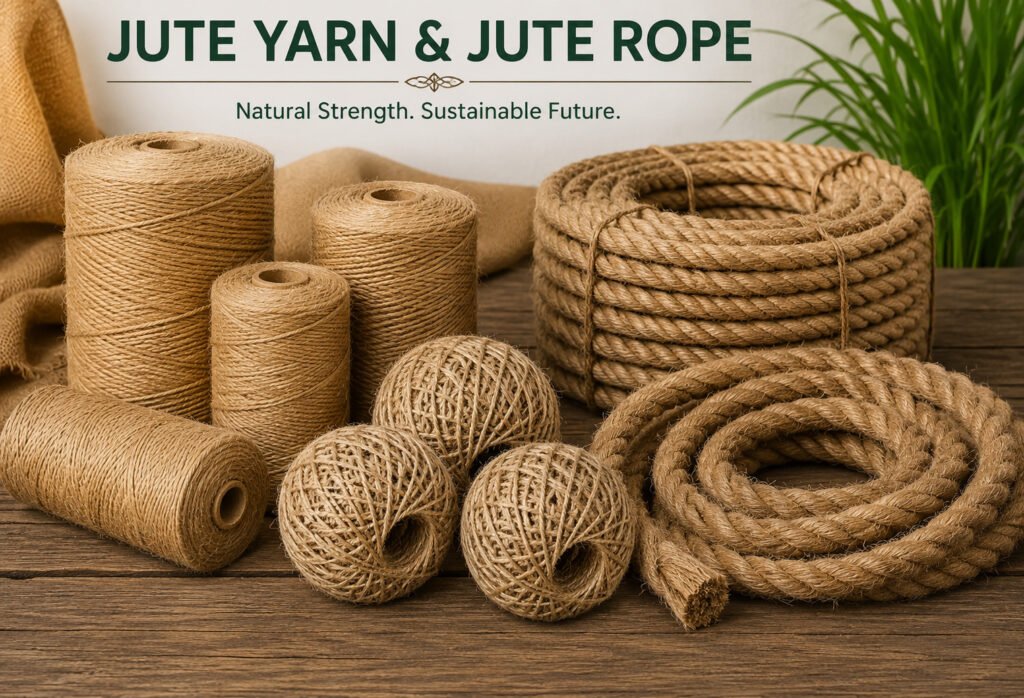
Introduction to Jute Twine and Rope in the Modern Global Market
Jute Twine and Rope have become one of the most important natural fiber products in today’s global market, especially as industries shift toward sustainable alternatives to synthetic materials. Across agriculture, logistics, packaging, construction, and retail sectors, businesses are actively searching for eco friendly solutions that can replace plastic-based products without compromising durability or performance. In this context, a reliable Jute Twine Supplier Bangladesh plays a critical role in supplying high-quality, biodegradable, and durable jute products to global buyers who demand both sustainability and strength. The global movement toward sustainability has significantly increased the demand for eco friendly jute twine and biodegradable jute rope. Governments across Europe, North America, and Asia are implementing strict regulations to reduce plastic usage, while multinational companies are adopting environmentally responsible sourcing strategies. As a result, Jute Rope Exporter Bangladesh companies are now positioned at the center of a rapidly expanding market where natural fibers are no longer optional but essential. Jute, often referred to as the golden fiber, offers a unique combination of strength, flexibility, and biodegradability, making it an ideal replacement for synthetic ropes and twines.
The Golden Fibre Trade Centre Ltd. has emerged as a trusted name in this transformation by consistently delivering premium jute products to international markets. With decades of experience and a strong supply chain network, GFTCL ensures that every product meets global quality standards while maintaining competitive pricing. The company’s focus on quality, sustainability, and customer satisfaction makes it a leading Jute Rope Exporter Bangladesh and a preferred partner for buyers seeking reliable natural fiber solutions. As global trade continues to evolve, the role of Jute Twine and Rope extends beyond traditional uses. These products are now integral to modern supply chains, where efficiency, durability, and environmental responsibility must coexist. Understanding the full potential of jute products requires a detailed exploration of their properties, manufacturing processes, and applications, which will be discussed throughout this comprehensive guide.
Understanding the Core Strength of Jute Fiber and Its Industrial Value
Jute fiber is one of the most versatile and widely used natural fibers in the world, and its properties make it particularly suitable for producing strong and durable twine and rope. The fiber is extracted from the jute plant, which thrives in the fertile regions of Bangladesh due to the country’s ideal climatic conditions. This natural advantage allows Bangladesh jute exporters to produce fibers that are longer, stronger, and more uniform compared to those from other regions. The strength of jute fiber lies in its natural composition, which includes cellulose and lignin. These components provide the fiber with high tensile strength, enabling it to withstand significant stress without breaking. This property is essential for applications that require heavy-duty performance, such as bundling agricultural products, securing loads, and supporting construction materials. When processed into rope, these fibers are twisted into multiple strands, creating a structure that distributes stress evenly and enhances durability.
Another important characteristic of jute fiber is its flexibility. Unlike some natural fibers that become brittle over time, jute maintains its flexibility even after prolonged use. This allows it to be shaped into different forms, including thin twine for light applications and thick rope for heavy-duty use. The ability to adapt to various requirements makes jute products highly versatile and suitable for a wide range of industries. Biodegradability is another key factor that adds to the value of jute fiber. As environmental concerns continue to grow, businesses are under increasing pressure to adopt sustainable materials. Biodegradable jute rope decomposes naturally without leaving harmful residues, which significantly reduces environmental impact. This makes it an attractive option for companies that want to align their operations with sustainability goals while maintaining product performance. The Golden Fibre Trade Centre Ltd. ensures that only the highest quality raw jute fibers are used in its manufacturing processes. By sourcing premium-grade fibers and maintaining strict quality control, the company delivers eco friendly Jute Twine and Rope that meet the highest standards of durability and reliability. This commitment to quality is one of the reasons why GFTCL continues to strengthen its position as a leading Jute Twine Supplier Bangladesh.
Detailed Manufacturing Process of Eco Friendly Jute Twine and Rope
The production of Jute Twine and Rope involves a series of carefully controlled processes that transform raw fibers into finished products capable of meeting demanding industrial requirements. Each stage of the manufacturing process plays a critical role in determining the final quality, strength, and consistency of the product. The process begins with the harvesting of jute plants, followed by retting, which is a method of separating the fibers from the plant stalk. This stage is crucial because it determines the quality of the raw fibers. Proper retting ensures that the fibers are clean, strong, and suitable for further processing. Once the fibers are extracted, they are washed and dried to remove impurities and prepare them for spinning. The next stage involves spinning the fibers into yarn. This process requires precision because the thickness and strength of the yarn directly affect the quality of the final product. A professional Jute Rope Exporter Bangladesh ensures that the yarn is produced with consistent specifications, which allows for uniform weaving and twisting. Advanced machinery is often used to maintain consistency and improve efficiency during this stage.
After spinning, the yarn is twisted into strands to create twine or rope. The number of strands and the twisting technique determine the thickness and strength of the product. For example, a thicker rope used in industrial applications may consist of multiple strands twisted together, while finer twine used in packaging may require fewer strands. This flexibility allows manufacturers to produce a wide range of products that cater to different market needs. The final stage of production involves finishing and quality inspection. Each product is carefully examined to ensure that it meets required standards in terms of strength, consistency, and appearance. Any defects are identified and corrected before the products are packaged for export. This rigorous quality control process ensures that buyers receive reliable products that perform as expected. The Golden Fibre Trade Centre Ltd. follows a structured manufacturing approach that combines traditional expertise with modern technology. This allows the company to produce biodegradable jute rope and eco friendly jute twine that meet international standards while maintaining cost efficiency. By controlling every stage of production, GFTCL ensures consistent quality across all its products.
Expanding Applications of Jute Twine and Rope Across Industries
Jute twine and rope are used in a wide range of industries due to their versatility and durability. In agriculture, they are essential for tying plants, supporting crops, and bundling harvested produce. Farmers prefer jute products because they are biodegradable and do not harm the soil, making them suitable for sustainable farming practices. In the packaging industry, eco friendly jute twine is widely used for securing packages and bundles. It provides a strong alternative to plastic ties and helps businesses reduce their environmental impact. Retail companies also use jute rope for decorative packaging and product presentation, which enhances brand image and appeals to environmentally conscious consumers. The construction industry uses biodegradable jute rope for lifting, securing, and supporting materials. Its strength and flexibility make it suitable for various applications, including scaffolding and load securing. In addition, jute rope is used in landscaping and gardening for creating natural and aesthetic designs. The growing demand for sustainable products has also led to increased use of jute in crafts and home decor. Designers use jute rope to create furniture, rugs, and decorative items that combine functionality with environmental responsibility. This trend highlights the expanding role of jute products in modern markets. The Golden Fibre Trade Centre Ltd. supplies jute products that cater to all these applications, ensuring that businesses can adopt sustainable solutions without compromising performance. Its ability to meet diverse requirements makes it a reliable partner for global buyers.
Global Demand for Jute Twine Supplier Bangladesh in Sustainable Trade
The global demand for products from a Jute Twine Supplier Bangladesh has increased significantly over the past decade as industries shift toward sustainable and biodegradable alternatives. This change is not temporary but structural, driven by regulatory pressure, environmental awareness, and long-term cost efficiency considerations. As businesses move away from synthetic materials, the role of eco friendly jute twine and biodegradable jute rope becomes increasingly important in global supply chains. In recent years, countries across Europe and North America have introduced strict policies to reduce plastic waste, which has directly influenced packaging and industrial material choices. As a result, importers are actively searching for reliable Jute Rope Exporter Bangladesh partners who can deliver consistent quality at scale. This shift has created a strong and stable demand for jute products, particularly in agriculture, logistics, and retail sectors where sustainability is now a key purchasing factor.
At the same time, multinational companies are incorporating sustainability goals into their procurement strategies. They are no longer selecting suppliers based only on price but are also evaluating environmental impact, material origin, and product lifecycle. In this evolving landscape, Jute Twine Supplier Bangladesh companies such as The Golden Fibre Trade Centre Ltd. have gained a competitive advantage by offering products that align with these global expectations. Furthermore, the growing awareness of environmental responsibility among consumers has influenced brands to adopt natural packaging materials. This consumer-driven demand has further strengthened the market for jute products, making them a preferred choice for businesses that want to enhance their brand image while reducing environmental impact. As this trend continues, the demand for high-quality Jute Twine and Rope is expected to grow steadily in the coming years.
Export Supply Chain of Jute Rope Exporter Bangladesh
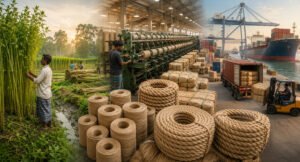
The export supply chain of a jute rope exporter Bangladesh is a highly coordinated system that ensures the efficient movement of products from raw material sourcing to final delivery. Understanding this supply chain is essential for global buyers because it directly affects product quality, delivery timelines, and overall cost efficiency. The process begins with the sourcing of raw jute fibers from local farmers. Bangladesh benefits from ideal growing conditions, which allow it to produce high-quality fibers that form the foundation of strong and durable jute products. These fibers are then transported to processing facilities where they are cleaned, graded, and prepared for manufacturing. Once the fibers are processed, they are spun into yarn and then twisted into twine or rope. This stage requires precision and consistency, as any variation in yarn quality can affect the final product. A professional Jute Twine Supplier Bangladesh ensures that each stage of production is carefully monitored to maintain uniform standards.
After manufacturing, the products are inspected for quality and prepared for export. Packaging plays a critical role at this stage, as it must protect the products during transportation while optimizing container space. Proper packaging ensures that the products arrive in good condition and reduces the risk of damage during transit. The final stage of the supply chain involves logistics and shipping. Exporters coordinate with freight forwarders and shipping lines to ensure timely delivery. Efficient logistics management is essential for meeting buyer expectations and maintaining reliable supply chains. The Golden Fibre Trade Centre Ltd. manages its supply chain with a strong focus on efficiency and quality control. By maintaining close coordination with all stakeholders, the company ensures that its products are delivered on time and meet international standards. This integrated approach strengthens its position as a trusted Jute Rope Exporter Bangladesh.
Quality Control and Export Standards for Jute Twine
Quality control is one of the most important aspects of producing eco friendly jute twine and biodegradable jute rope. Global buyers expect consistent quality across all shipments, and any variation can lead to operational challenges and financial losses. Therefore, a reliable Jute Twine Supplier Bangladesh must implement strict quality control systems at every stage of production. The quality control process begins with the selection of raw materials. Only high-grade jute fibers are used to ensure strength and durability. These fibers are then processed into yarn, which must meet specific standards before being used in manufacturing. During the production stage, the twisting and finishing processes are closely monitored to ensure consistency.
Inspection continues after production, where finished products are tested for strength, flexibility, and uniformity. This ensures that every unit meets the required specifications. Exporters also verify that the products comply with international standards, which is essential for smooth customs clearance and acceptance in global markets. The Golden Fibre Trade Centre Ltd. maintains a comprehensive quality control system that ensures consistent performance across all its products. By focusing on quality at every stage, the company delivers reliable solutions that meet the expectations of global buyers.
Pricing Structure and Cost Efficiency in Jute Export
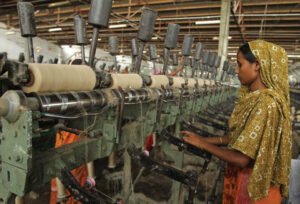
Pricing in the jute export industry is influenced by multiple factors, including raw material costs, production efficiency, labor, and logistics. While buyers often focus on price, it is important to consider the overall value provided by the product. High-quality jute products may have a higher initial cost, but they offer long-term benefits that reduce overall expenses. Raw jute prices can fluctuate due to seasonal factors and market conditions. Exporters must manage these fluctuations carefully to maintain stable pricing. Production efficiency also plays a significant role, as efficient processes reduce waste and improve output. Skilled labor and modern machinery contribute to consistent quality and cost optimization.
Logistics costs are another important component of pricing. Efficient packaging and container utilization can significantly reduce shipping costs, which benefits both the exporter and the buyer. A professional Jute Rope Exporter Bangladesh focuses on optimizing every stage of the process to deliver competitive pricing without compromising quality. The Golden Fibre Trade Centre Ltd. adopts a value-driven pricing approach that balances cost and quality. This ensures that buyers receive products that deliver reliable performance while maintaining cost efficiency.
Buyer Strategy for Sourcing Jute Twine from Bangladesh
Global buyers must adopt a strategic approach when sourcing from a Jute Twine Supplier Bangladesh. This involves evaluating suppliers, defining requirements clearly, and building long-term relationships. A well-defined strategy helps buyers achieve consistent quality and reduce risks in international trade. The first step is supplier evaluation, which includes assessing production capability, quality control systems, and industry experience. Buyers should request samples and verify that the products meet their specifications. This ensures that they work with reliable suppliers who can deliver consistent results. The next step involves clear communication of requirements, including product specifications, quantity, and delivery timelines. This reduces the risk of misunderstandings and ensures smooth transactions. Building long-term partnerships with suppliers also improves efficiency, as both parties develop a better understanding of expectations over time. The Golden Fibre Trade Centre Ltd. supports buyers by providing transparent communication and reliable service. Its commitment to quality and customer satisfaction makes it an ideal partner for businesses seeking sustainable jute products.
Growing Importance of Sustainability in Jute Trade
Sustainability has become a central factor in global trade, influencing purchasing decisions and shaping market trends. Businesses are under increasing pressure to reduce their environmental impact, which has led to a growing demand for biodegradable jute rope and eco friendly jute twine. Jute products offer a natural solution to this challenge because they are renewable, biodegradable, and environmentally friendly. Their use helps reduce plastic waste and supports sustainable production practices. In addition, jute cultivation has environmental benefits, as it absorbs carbon dioxide and improves soil quality. The Golden Fibre Trade Centre Ltd. integrates sustainability into its operations by promoting eco friendly products and responsible manufacturing practices. This commitment aligns with global trends and enhances the value of its products in international markets.
Expanding Industrial Applications of Eco Friendly Jute Twine and Rope
The industrial applications of products from a Jute Twine Supplier Bangladesh have expanded significantly as global industries move toward sustainable materials that offer both performance and environmental responsibility. Traditionally, Jute Twine and Rope were used primarily in agriculture and basic packaging. However, the modern market has transformed these products into essential components across multiple industries, including logistics, construction, retail, marine operations, and even interior design. In agriculture, eco friendly jute twine continues to play a critical role in supporting crop growth, bundling harvested produce, and securing storage units. Farmers prefer jute over synthetic alternatives because it decomposes naturally without harming the soil. This makes it especially valuable in organic farming, where sustainability is a key priority. In addition, biodegradable jute rope is widely used in greenhouse operations, where it provides strong support for plants while maintaining environmental safety. In the logistics and packaging industry, Jute Rope Exporter Bangladesh companies supply durable rope solutions that are used for securing cargo, tying bundles, and reinforcing packaging systems. As global shipping volumes increase, businesses require materials that can handle stress while remaining cost-effective. Jute rope meets these requirements by providing both strength and flexibility, allowing it to adapt to different packaging needs. Furthermore, the natural appearance of jute adds value for brands that emphasize eco friendly packaging.
The construction industry also benefits from the use of jute rope, particularly in temporary support systems and material handling. While it may not replace all synthetic ropes in heavy construction, it serves as a reliable and sustainable alternative in many applications. Its ability to withstand moderate loads while remaining flexible makes it suitable for tasks that require both strength and ease of handling. In retail and consumer markets, the demand for natural materials has driven the use of jute rope in decorative and functional applications. Businesses use jute twine for packaging, branding, and product presentation, creating a natural aesthetic that appeals to environmentally conscious consumers. This trend has further expanded the market for jute products, making them relevant beyond traditional industrial uses. The Golden Fibre Trade Centre Ltd. supports these diverse applications by offering a wide range of eco friendly jute twine and biodegradable jute rope solutions. Its ability to adapt to different industry requirements strengthens its position as a leading Jute Twine Supplier Bangladesh in global markets.
Market Position of Bangladesh as a Global Jute Export Hub
Bangladesh has established itself as the dominant global hub for jute production and export, and this leadership extends strongly into the Jute Twine and Rope segment. The country’s advantage lies not only in its natural ability to produce high-quality jute fiber but also in its deep-rooted expertise in processing and exporting jute-based products. This combination allows Bangladesh jute exporters to maintain consistent quality while offering competitive pricing in international markets. One of the key factors behind this dominance is the availability of raw materials. Bangladesh produces a significant portion of the world’s jute supply, which gives local manufacturers direct access to high-quality fibers. This reduces dependency on imports and ensures stable production. In addition, the country has developed a strong network of jute mills and processing facilities that can handle large-scale production efficiently.
Another important factor is experience. The jute industry in Bangladesh has evolved over decades, allowing manufacturers and exporters to refine their processes and meet international standards. This experience translates into better quality control, efficient production, and reliable delivery, which are essential for global buyers. The presence of industry bodies such as the Bangladesh Jute Goods Exporters Association further strengthens the sector by promoting standards, facilitating trade, and supporting exporters. These organizations help ensure that products from Bangladesh meet global expectations, which enhances the country’s reputation as a reliable supplier. The Golden Fibre Trade Centre Ltd. plays a significant role in maintaining this reputation by delivering premium jute products to international clients. As a trusted Jute Rope Exporter Bangladesh, the company contributes to the country’s leadership in the global jute market.
Common Buyer Mistakes When Sourcing Jute Twine and Rope
Despite the availability of information and experienced suppliers, many buyers still make critical mistakes when sourcing from a Jute Twine Supplier Bangladesh. These mistakes often result in poor product performance, increased costs, and operational inefficiencies. Understanding these common issues can help buyers make better decisions and achieve more reliable outcomes. One of the most frequent mistakes is focusing solely on price rather than overall value. Buyers who prioritize low-cost products often end up with inferior quality materials that fail under pressure. This leads to product loss, increased replacement costs, and damage to business operations. High-quality jute products, although slightly more expensive, provide better durability and long-term cost efficiency. Another common mistake is failing to verify the supplier’s production capability. Some suppliers act as intermediaries without direct control over manufacturing processes. This can result in inconsistent quality and unreliable delivery timelines. Buyers must ensure that their supplier has strong connections with jute mills and maintains strict quality control systems.
Lack of clear communication is also a significant issue. When buyers do not specify their requirements clearly, suppliers may deliver products that do not meet expectations. This can lead to misunderstandings and disputes. Establishing clear specifications and maintaining regular communication helps prevent such issues. The Golden Fibre Trade Centre Ltd. addresses these challenges by providing transparent communication, consistent quality, and reliable service. By working with experienced exporters, buyers can avoid common mistakes and achieve better results in their sourcing operations.
Scaling Supply for Large Volume International Buyers
As global demand for eco friendly jute twine and biodegradable jute rope continues to grow, the ability to scale supply becomes a critical factor for exporters. Large international buyers require consistent supply over extended periods, which means that suppliers must have the capacity to handle high volumes without compromising quality. Scaling production involves several challenges, including maintaining raw material quality, ensuring consistent manufacturing processes, and managing logistics efficiently. A professional Jute Rope Exporter Bangladesh must have strong relationships with multiple mills and a well-organized supply chain to meet these demands. Production planning plays a key role in scaling operations. Exporters must forecast demand accurately and allocate resources accordingly to avoid delays. This includes securing raw materials in advance, scheduling production efficiently, and coordinating with logistics partners to ensure timely delivery.
Quality consistency is another major concern when scaling production. Large orders increase the risk of variation, which can affect performance and buyer satisfaction. To address this, exporters must implement strict quality control systems and standardize production processes. The Golden Fibre Trade Centre Ltd. has developed a scalable supply model that allows it to meet large-volume demands while maintaining consistent quality. This capability makes it a reliable partner for global buyers who require dependable supply chains.
Logistics Efficiency and Global Distribution Strategy
Efficient logistics is essential for the success of any jute export operation, as it ensures that products reach their destination on time and in optimal condition. For a Jute Twine Supplier Bangladesh, logistics management involves careful coordination between production, packaging, shipping, and delivery processes. One of the key aspects of logistics efficiency is packaging optimization. Proper packaging ensures that Jute Twine and Rope are protected during transportation while maximizing container space. This reduces shipping costs and improves overall efficiency. Exporters must also ensure that packaging meets international standards to avoid issues during customs clearance. Shipping routes and transit times also play a significant role in logistics performance. Exporters must select reliable shipping partners and plan routes that minimize delays. In addition, tracking systems allow buyers to monitor shipments in real time, which improves transparency and trust. The Golden Fibre Trade Centre Ltd. manages its logistics operations with a strong focus on efficiency and reliability. By coordinating closely with logistics partners, the company ensures that its products are delivered on schedule, supporting smooth international trade operations.
Building Long-Term Value Through Supplier Partnerships
Long-term partnerships between buyers and suppliers are essential for achieving stability and efficiency in global trade. When businesses work with a trusted Jute Rope Exporter Bangladesh, they benefit from consistent quality, reliable delivery, and improved communication. Over time, these relationships create a foundation for growth and operational success. A strong partnership allows both parties to understand each other’s requirements and expectations, which reduces the risk of errors and improves efficiency. Suppliers can also provide customized solutions based on the buyer’s specific needs, adding value to the relationship. The Golden Fibre Trade Centre Ltd. emphasizes building long-term partnerships by maintaining high standards and focusing on customer satisfaction. This approach not only strengthens its position in the market but also ensures that buyers receive reliable and consistent service.
Advanced Global Market Dynamics for Jute Twine and Rope
The global market for products supplied by a Jute Twine Supplier Bangladesh is no longer driven only by traditional demand from agriculture and packaging sectors. Instead, it is increasingly influenced by macroeconomic trends, sustainability regulations, and evolving consumer behavior. As industries shift toward circular economy models, the demand for biodegradable jute rope and eco friendly jute twine continues to accelerate at a structural level rather than a temporary trend. One of the most significant drivers of this demand is the regulatory framework in developed economies. Governments in the European Union and North America have introduced strict policies to reduce single-use plastics, which has forced companies to rethink their material sourcing strategies. This shift has created a long-term demand pipeline for natural fiber products, especially jute. As a result, businesses are actively seeking a reliable Jute Rope Exporter Bangladesh who can supply consistent quality at scale while complying with international standards.
In addition to regulatory pressure, corporate sustainability commitments are reshaping procurement decisions. Large multinational companies are now setting measurable environmental targets, including reducing carbon emissions and eliminating non-biodegradable materials from their supply chains. This has increased the importance of sourcing from a trusted Jute Twine Supplier Bangladesh who can provide certified and traceable products. The ability to demonstrate sustainability is no longer optional; it is becoming a key requirement for participating in global supply chains. At the same time, emerging markets are also contributing to the growth of jute demand. Countries in Africa, Southeast Asia, and Latin America are expanding their agricultural and industrial sectors, which increases the need for durable and cost-effective packaging solutions. Jute rope and twine are particularly suitable for these markets because they offer a balance between affordability and performance. This dual demand from both developed and developing regions creates a stable and diversified market for Bangladesh jute exporters. The Golden Fibre Trade Centre Ltd. operates within this evolving landscape by aligning its production and export strategies with global trends. By focusing on quality, sustainability, and scalability, the company ensures that it remains competitive in a market that is becoming increasingly demanding and sophisticated.
Competitive Positioning of Jute Rope Exporter Bangladesh in Global Trade
Competition in the global jute market has intensified as more suppliers enter the industry. However, not all exporters are able to meet the strict requirements of international buyers. The competitive positioning of a Jute Rope Exporter Bangladesh depends on several factors, including product quality, supply chain reliability, pricing strategy, and customer service. Quality remains the most important differentiator in this market. Buyers who use Jute Twine and Rope in critical applications cannot afford product failure. Therefore, they prioritize suppliers who can deliver consistent quality across large volumes. This requires strict quality control systems, standardized production processes, and access to high-grade raw materials. Exporters who fail to maintain these standards often struggle to retain clients. Supply chain reliability is another key factor that influences competitive positioning. Global buyers depend on timely deliveries to maintain their operations, and any delay can have significant consequences. A professional Jute Twine Supplier Bangladesh must have a well-organized supply chain that ensures smooth coordination between production, packaging, and logistics. This level of reliability builds trust and strengthens long-term relationships with buyers.
Pricing strategy also plays a critical role in competition. While low pricing may attract initial orders, it is not sustainable if it compromises quality. Instead, successful exporters focus on value-based pricing, where the emphasis is on delivering high-quality products that provide long-term cost efficiency. This approach allows them to maintain profitability while meeting buyer expectations. Customer service and communication further enhance competitive positioning. Buyers prefer suppliers who are responsive, transparent, and proactive in addressing issues. Clear communication helps prevent misunderstandings and ensures that both parties are aligned throughout the transaction process. The Golden Fibre Trade Centre Ltd. combines all these factors to maintain a strong position in the global market. Its focus on quality, reliability, and customer satisfaction allows it to stand out as a trusted Jute Rope Exporter Bangladesh in a competitive environment.
Deep Buyer Psychology and Decision-Making Behavior
Understanding buyer psychology is essential for any Jute Twine Supplier Bangladesh that aims to succeed in international markets. Buyers do not make decisions based on a single factor; instead, they evaluate multiple aspects of the supplier’s offering before committing to a purchase. These decisions are influenced by both rational and emotional factors, which makes the sourcing process more complex. From a rational perspective, buyers focus on measurable factors such as product quality, pricing, delivery timelines, and compliance with standards. They analyze these elements carefully to ensure that the supplier can meet their operational requirements. However, emotional factors such as trust, reputation, and perceived reliability also play a significant role in decision-making. Trust is built over time through consistent performance and transparent communication. Buyers are more likely to continue working with a supplier who has demonstrated reliability in previous transactions. This is why long-term relationships are so important in the jute export industry. Once trust is established, buyers are less likely to switch suppliers, even if they receive slightly lower price offers from competitors.
Risk perception also influences buyer behavior. International trade involves uncertainties, including quality variations, shipping delays, and regulatory challenges. Buyers prefer to work with suppliers who can minimize these risks through strong quality control and efficient logistics management. A reliable Jute Rope Exporter Bangladesh reduces uncertainty and provides a sense of security, which is highly valued by buyers. The Golden Fibre Trade Centre Ltd. understands these psychological factors and focuses on building trust through consistent quality and transparent communication. This approach not only attracts new clients but also strengthens long-term partnerships.
Advanced Pricing Strategy and Margin Optimization
Pricing in the jute industry is not simply a matter of calculating costs and adding a margin. Instead, it involves a strategic approach that balances competitiveness with profitability. A successful Jute Twine Supplier Bangladesh must consider multiple factors when determining pricing, including raw material costs, production efficiency, market demand, and competitor pricing. Raw jute prices are subject to seasonal fluctuations, which can affect the overall cost structure. Exporters must manage these fluctuations carefully to maintain stable pricing for buyers. This often involves strategic sourcing and inventory management to ensure that raw materials are available at competitive rates. Production efficiency is another important factor in pricing strategy. Efficient manufacturing processes reduce waste and improve output, which lowers costs and increases margins. Exporters who invest in modern machinery and skilled labor are better positioned to achieve these efficiencies. Market positioning also influences pricing decisions. Suppliers who offer premium products can justify higher prices by emphasizing quality and reliability. On the other hand, suppliers targeting price-sensitive markets may adopt a more competitive pricing strategy. The key is to align pricing with the value provided to the buyer. The Golden Fibre Trade Centre Ltd. adopts a balanced pricing strategy that focuses on delivering value rather than competing solely on cost. This approach ensures that buyers receive high-quality products while maintaining cost efficiency over the long term.
Risk Mitigation and Supply Stability in Jute Export
Risk management is a critical aspect of jute export operations, particularly in a global environment where uncertainties are common. A reliable Jute Rope Exporter Bangladesh must identify potential risks and implement strategies to mitigate them effectively. One of the primary risks is raw material fluctuation, which can affect production consistency. Exporters address this risk by maintaining strong relationships with suppliers and securing raw materials in advance. This ensures a stable supply and reduces the impact of market volatility.
Another major risk is logistical disruption, which can occur due to port congestion, shipping delays, or external factors such as geopolitical issues. Efficient logistics planning and coordination with reliable shipping partners help minimize these risks. Exporters must also maintain flexibility in their operations to adapt to changing conditions. Quality risk is another important consideration. Variations in product quality can lead to customer dissatisfaction and financial losses. To mitigate this risk, exporters implement strict quality control systems and conduct inspections at multiple stages of production. The Golden Fibre Trade Centre Ltd. adopts a proactive approach to risk management by focusing on supply stability, quality consistency, and efficient logistics. This ensures that buyers receive reliable products and experience minimal disruptions in their operations.
End-to-End Supply Chain Mastery for Jute Twine Supplier Bangladesh
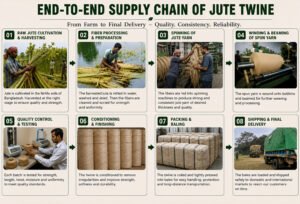
A high-performing jute twine supplier Bangladesh does not rely on isolated efficiencies; instead, it integrates every stage of the value chain into a synchronized system that protects quality, shortens lead times, and stabilizes cost. From farm-level sourcing to final delivery at the buyer’s warehouse, each node in the chain must operate with clarity and coordination. This end-to-end mastery is what separates a dependable exporter from a transactional trader. The chain begins with disciplined raw jute procurement. Fiber grading at origin determines downstream performance, so exporters who enforce strict grading protocols at collection points reduce variability later in spinning and twisting. Once fibers enter processing, controlled retting, washing, and drying conditions are essential to preserve tensile strength and minimize contamination. When the material transitions into yarn, consistency in twist per meter and uniformity of count ensure that subsequent rope and twine maintain predictable strength profiles. Any deviation at this stage can cascade into inconsistencies in finished goods, which is unacceptable for international buyers operating standardized systems. Manufacturing then converts yarn into eco friendly jute twine and biodegradable jute rope through calibrated twisting and plying. Process control at this stage focuses on maintaining even tension, stable spindle speeds, and consistent ply counts. These parameters directly influence elongation, abrasion resistance, and load-bearing capacity. Exporters who monitor these variables in real time can prevent batch-to-batch variation, which is one of the most common sources of buyer complaints in bulk orders.
After production, finishing, conditioning, and packing must align with export realities. Moisture balance is critical because excessive humidity weakens fibers while over-drying reduces flexibility. Proper conditioning ensures that the product arrives with optimal performance characteristics. Packaging design then optimizes space utilization and protects the goods in transit. Compression methods, bale integrity, and protective wrapping all contribute to safe and efficient shipping. Finally, logistics coordination ties the chain together, with accurate documentation, container planning, and vessel booking ensuring that shipments move without delay. The Golden Fibre Trade Centre Ltd. integrates these elements into a unified operating model. By maintaining visibility and control across sourcing, manufacturing, packing, and shipping, the company delivers consistent outcomes for global buyers who require reliability at scale.
Production Planning, Lead Time Control, and Capacity Balancing
For a Jute Rope Exporter Bangladesh, production planning is not a static schedule but a dynamic system that responds to demand signals, raw material availability, and logistics constraints. Buyers operating in agriculture, packaging, and industrial sectors often require predictable replenishment cycles. Therefore, exporters must align internal capacity with external demand while maintaining strict quality thresholds. Lead time begins at order confirmation and extends through raw material allocation, production, inspection, and shipment. Each phase must be mapped with realistic buffers that account for variability without inflating delivery windows. Overpromising on lead time damages credibility, while excessive buffers reduce competitiveness. The optimal approach combines accurate forecasting with disciplined execution, allowing exporters to commit to timelines they can consistently meet.
Capacity balancing is equally important. During peak seasons, demand can surge sharply, particularly for eco friendly jute twine used in agriculture and logistics. Exporters who depend on a single production line or limited mill partnerships often struggle under these conditions. In contrast, those who maintain diversified mill relationships and flexible line allocations can scale output without compromising quality. This requires not only access to capacity but also standardized processes that ensure uniform results across facilities. Work-in-progress control further stabilizes production. By monitoring batch progression at each stage, exporters can identify bottlenecks early and redistribute resources to maintain flow. This reduces idle time, prevents backlog accumulation, and ensures that quality checks are not rushed at the end of the cycle. When combined with disciplined scheduling, this approach keeps deliveries on track even under fluctuating demand. The Golden Fibre Trade Centre Ltd. manages lead time through coordinated planning with partner mills and logistics providers. Its approach balances capacity with quality assurance, enabling the company to deliver on commitments while maintaining the performance standards expected by international buyers.
Inventory Strategy, Safety Stock, and Demand Forecasting
Inventory management is a strategic lever for any Jute Twine Supplier Bangladesh aiming to serve global clients with consistency. The objective is to maintain sufficient stock to absorb demand fluctuations without tying up excessive capital or risking material degradation. Achieving this balance requires accurate demand forecasting and a clear understanding of buyer consumption patterns. Forecasting begins with historical data analysis, including order frequency, volume variability, and seasonal trends. Agricultural cycles, for example, drive predictable spikes in demand for biodegradable jute rope and twine. Exporters who map these cycles can pre-position raw materials and semi-finished goods, reducing response time when orders are placed. In addition, ongoing communication with buyers provides forward visibility, allowing exporters to adjust production plans proactively.
Safety stock acts as a buffer against uncertainty. While maintaining a reserve of finished goods or critical inputs increases carrying cost, it significantly reduces the risk of stockouts and delayed shipments. The key is to calibrate safety stock levels based on demand volatility and lead time variability. High-variability items require larger buffers, whereas stable, repeatable orders can operate with leaner inventories. Storage conditions also influence inventory strategy. Jute products must be protected from moisture, pests, and contamination. Proper ventilation, humidity control, and stacking methods preserve product integrity over time. Exporters who invest in controlled storage environments can maintain quality even when holding inventory for extended periods. The Golden Fibre Trade Centre Ltd. aligns its inventory practices with demand signals and quality requirements. By balancing safety stock with efficient turnover and maintaining appropriate storage conditions, the company ensures that buyers receive consistent products without unnecessary delays.
Documentation Excellence, Compliance, and Trade Facilitation
In international trade, documentation is not a formality; it is a core operational function that determines how smoothly goods move across borders. A Jute Rope Exporter Bangladesh must ensure that every shipment is supported by accurate, complete, and compliant documents. Errors in documentation can result in delays, additional costs, or even rejection at the destination. Core documents include the commercial invoice, packing list, and bill of lading, each serving a specific purpose in the transaction. The invoice defines the financial terms, the packing list details the physical contents, and the bill of lading confirms shipment and ownership transfer. In addition, certificates of origin and, where required, quality or compliance certificates support regulatory acceptance in the destination market. Consistency between documents is essential. Discrepancies in weight, quantity, or product description can trigger inspections or holds at customs. Therefore, exporters must maintain a single source of truth across their documentation systems, ensuring that data flows accurately from production records to export paperwork. Digital documentation systems and standardized templates help reduce errors and improve processing speed.
Regulatory compliance extends beyond paperwork. Many markets impose requirements related to material safety, environmental standards, and labeling. Exporters must understand these requirements and ensure that products and documentation align accordingly. This includes correct labeling of bales, clear marking of origin, and adherence to any destination-specific rules. The Golden Fibre Trade Centre Ltd. prioritizes documentation accuracy and compliance. By aligning operational data with export paperwork and maintaining awareness of regulatory requirements, the company facilitates smooth customs clearance and reliable delivery for its clients.
Financial Structuring, Payment Terms, and Risk Allocation
Financial structuring in jute export transactions influences both cash flow and risk exposure for buyers and suppliers. Payment terms must balance security for the exporter with flexibility for the buyer. Common structures include advance payment, documentary collection, and letter of credit, each carrying different risk profiles. Advance payment reduces risk for the exporter by securing funds before production. However, it may not be acceptable to all buyers, particularly those establishing new relationships. Documentary collection offers a middle ground, where documents are released upon payment or acceptance. Letters of credit provide strong security by involving banks, but they introduce additional costs and procedural complexity.
Currency considerations also affect financial outcomes. Fluctuations in exchange rates can impact margins, especially when production costs and sales are denominated in different currencies. Exporters often mitigate this risk through pricing strategies or hedging mechanisms, ensuring that volatility does not erode profitability. Cost transparency builds trust in financial negotiations. When buyers understand how pricing relates to raw materials, production, and logistics, they are more likely to accept value-based pricing. This reduces pressure on exporters to compete solely on price and supports sustainable margins. The Golden Fibre Trade Centre Ltd. approaches financial structuring with clarity and balance. By aligning payment terms with buyer expectations while safeguarding operational stability, the company fosters long-term relationships built on trust and mutual benefit.
Customization, Product Engineering, and Specification Alignment
Customization is a critical capability for a Jute Twine Supplier Bangladesh serving diverse global markets. Buyers often require specific diameters, ply configurations, tensile strengths, and finishes depending on their application. Aligning product engineering with these requirements ensures that the delivered product performs exactly as intended Specification alignment begins with clear communication. Buyers must define use cases, load requirements, environmental conditions, and any regulatory constraints. Exporters then translate these inputs into technical parameters such as yarn count, twist per meter, and ply structure. Prototyping and sample approval validate these decisions before full-scale production. Consistency between sample and bulk production is essential. Once a specification is approved, process parameters must be locked to prevent drift. This includes maintaining the same raw material grade, machine settings, and inspection criteria across batches. Documentation of these parameters ensures repeatability for future orders. Finishing options also contribute to customization. Surface treatment, coil length, packaging format, and labeling can be tailored to buyer needs. These details influence usability, storage, and brand presentation, adding value beyond core functionality. The Golden Fibre Trade Centre Ltd. supports customization through structured specification management and disciplined production control. This ensures that each order aligns precisely with buyer requirements while maintaining consistent quality.
Technology Adoption, Traceability, and Process Visibility
Technology enhances the efficiency and transparency of jute export operations by providing real-time visibility into production and logistics. A forward-looking Jute Rope Exporter Bangladesh integrates digital tools to track orders, monitor quality, and communicate status updates to buyers. Production tracking systems record batch data, including raw material sources, machine settings, and inspection results. This creates traceability, allowing exporters to identify the origin of any issue and implement corrective action quickly. Traceability also supports compliance with buyer and regulatory requirements, which increasingly demand visibility into supply chains. Logistics tracking provides updates on shipment status, estimated arrival times, and any potential delays. This information enables buyers to plan inventory and operations more effectively. Transparent communication reduces uncertainty and strengthens trust between buyer and supplier. Process visibility also supports continuous improvement. By analyzing data across production and logistics, exporters can identify inefficiencies and optimize performance. This leads to better quality, faster delivery, and improved cost management over time. The Golden Fibre Trade Centre Ltd. leverages technology to enhance traceability and communication. By integrating digital tools into its operations, the company provides buyers with reliable information and consistent performance.
Sustainability Integration and Lifecycle Responsibility
Sustainability in jute export extends beyond the inherent biodegradability of the material. A comprehensive approach considers the entire product lifecycle, from raw material sourcing to end-of-life disposal. For a Jute Twine Supplier Bangladesh, integrating sustainability into operations strengthens market positioning and aligns with global expectations. Responsible sourcing ensures that jute fibers are harvested and processed with minimal environmental impact. Efficient manufacturing reduces waste and energy consumption, while proper water management minimizes ecological footprint. Packaging choices also contribute to sustainability, with exporters opting for materials that protect products without adding unnecessary waste.
Lifecycle responsibility includes educating buyers on proper use and disposal. While biodegradable jute rope decomposes naturally, its environmental benefits are maximized when disposal practices align with its properties. Providing guidance on storage and handling also extends product life, reducing the need for replacement. Sustainability is increasingly linked to brand value. Buyers who incorporate eco friendly jute twine into their operations can communicate their commitment to environmental responsibility, which resonates with modern consumers. This creates a virtuous cycle where sustainable products drive both operational and marketing benefits. The Golden Fibre Trade Centre Ltd. integrates sustainability into its processes and product offerings. By aligning operational practices with environmental goals, the company delivers solutions that support both performance and responsibility.
Toward Long-Term Growth and Strategic Alignment
Long-term growth in the Jute Twine and Rope sector depends on strategic alignment between suppliers and buyers. Exporters must anticipate market trends, invest in capacity and quality, and maintain flexibility to adapt to changing requirements. Buyers, in turn, benefit from stable partnerships that provide consistent supply and collaborative problem-solving. Strategic alignment involves shared planning, where both parties communicate forecasts, constraints, and objectives. This enables better resource allocation, reduces uncertainty, and improves overall efficiency. Over time, aligned partnerships create a competitive advantage that is difficult to replicate through transactional relationships. The Golden Fibre Trade Centre Ltd. builds its growth strategy around these principles. By focusing on quality, reliability, and collaboration, the company positions itself as a long-term partner for global buyers seeking sustainable and dependable jute solutions.
Integrated Overview of Jute Twine Supplier Bangladesh in the Global Economy
The role of a Jute Twine Supplier Bangladesh has evolved from a traditional commodity exporter to a strategic partner in global supply chains that prioritize sustainability, efficiency, and long-term value creation. Throughout this guide, it has become clear that jute twine and rope are no longer simple utility products. Instead, they represent a convergence of environmental responsibility, industrial performance, and global trade reliability. Businesses across continents are now integrating eco friendly jute twine and biodegradable jute rope into their operations not only to meet regulatory requirements but also to align with modern consumer expectations.
Bangladesh continues to lead this transformation due to its unmatched advantages in raw material quality, production expertise, and export infrastructure. The country’s ability to produce strong, durable, and consistent jute fibers provides a solid foundation for manufacturing high-performance products. At the same time, its established network of mills, exporters, and logistics partners ensures that these products can reach global markets efficiently. This combination of natural and industrial strengths has positioned Bangladesh as the most reliable sourcing destination for jute-based solutions.
The Golden Fibre Trade Centre Ltd. plays a central role in this ecosystem by delivering products that meet the highest international standards. As a trusted Jute Rope Exporter Bangladesh, the company integrates quality control, supply chain coordination, and customer-focused service into a single operational model. This approach ensures that buyers receive not just products but complete solutions that support their business objectives.
Strategic Importance of Sustainability and Biodegradability
Sustainability is no longer a secondary consideration in global trade; it has become a defining factor that influences every stage of the supply chain. The shift toward biodegradable materials has accelerated the adoption of jute products, particularly in industries that are under pressure to reduce environmental impact. Eco friendly jute twine offers a practical solution because it combines functionality with sustainability, allowing businesses to meet both operational and environmental goals. The biodegradable nature of jute rope ensures that it decomposes naturally without leaving harmful residues. This characteristic reduces waste and supports circular economy models, where materials are reused and recycled rather than discarded. In addition, jute cultivation contributes positively to the environment by absorbing carbon dioxide and improving soil health. These benefits make jute an ideal material for businesses that want to enhance their sustainability profile. As global awareness of environmental issues continues to grow, the demand for sustainable materials is expected to increase further. Companies that adopt jute products early will be better positioned to meet future regulations and market expectations. The Golden Fibre Trade Centre Ltd. supports this transition by providing high-quality biodegradable jute rope that aligns with global sustainability standards.
Operational Excellence and Long-Term Supply Chain Stability
Operational excellence is a key factor that determines the success of a Jute Rope Exporter Bangladesh in international markets. It involves maintaining consistent quality, ensuring timely delivery, and managing costs effectively. Buyers rely on suppliers who can deliver predictable results, as this reduces uncertainty and supports efficient operations. Supply chain stability is achieved through careful planning and coordination. Exporters must manage raw material sourcing, production scheduling, and logistics operations in a way that minimizes disruptions. This requires strong relationships with suppliers, efficient production systems, and reliable shipping partners. When all these elements are aligned, the supply chain becomes more resilient and capable of handling fluctuations in demand. The Golden Fibre Trade Centre Ltd. demonstrates operational excellence by integrating these elements into its business model. Its ability to maintain consistent quality and reliable delivery strengthens its position as a trusted partner for global buyers. This reliability is particularly important in industries where delays or quality issues can have significant consequences.
Buyer Value Creation and Competitive Advantage
For global buyers, sourcing from a reliable Jute Twine Supplier Bangladesh provides significant value beyond the immediate transaction. High-quality jute products improve operational efficiency by reducing product damage, optimizing packaging, and lowering logistics costs. These benefits translate into long-term savings and improved profitability. In addition, the use of eco friendly jute twine enhances brand reputation by demonstrating a commitment to sustainability. Consumers are increasingly choosing products that align with their environmental values, which makes sustainable packaging a competitive advantage. Businesses that adopt jute products can differentiate themselves in the market and attract environmentally conscious customers. The Golden Fibre Trade Centre Ltd. supports value creation by delivering products that combine performance and sustainability. Its focus on quality and customer satisfaction ensures that buyers receive solutions that meet their needs while enhancing their market position.
Future Outlook of Jute Twine and Rope Industry
The future of the Jute Twine and Rope industry is closely linked to global trends in sustainability, innovation, and trade expansion. As environmental regulations become stricter, the demand for biodegradable materials is expected to grow significantly. Jute, being a natural and renewable resource, is well positioned to meet this demand. Innovation will also play a key role in shaping the industry. Advances in manufacturing technology and product design will allow exporters to develop stronger, more versatile, and more efficient jute products. This will open new opportunities in industries that have traditionally relied on synthetic materials.
Global trade expansion will further increase the demand for reliable packaging and industrial materials. Emerging markets will continue to grow, creating new opportunities for jute exporters. Companies that invest in quality, scalability, and sustainability will be able to capture these opportunities and maintain a competitive edge. The Golden Fibre Trade Centre Ltd. is well positioned to benefit from these trends due to its strong foundation and forward-looking approach. By focusing on continuous improvement and innovation, the company ensures that it remains a leader in the global jute market.
Conclusion
Jute Twine and Rope have become essential components of modern global trade, offering a unique combination of strength, versatility, and environmental responsibility. The transition toward sustainable materials has elevated the importance of these products, making them a preferred choice for industries across the world. As a result, the role of a Jute Twine SupplierBangladesh has expanded beyond traditional supply functions to become a strategic partner in global supply chains. Throughout this guide, it has been demonstrated that the success of jute export operations depends on multiple factors, including raw material quality, manufacturing processes, supply chain management, and buyer strategy. Each of these elements contributes to the overall performance of the product and the reliability of the supplier. Businesses that understand these factors are better equipped to make informed decisions and achieve long-term success.
The Golden Fibre Trade Centre Ltd. exemplifies these principles by delivering high-quality jute products that meet international standards. Its commitment to quality, sustainability, and customer satisfaction ensures that buyers receive reliable solutions that support their operations. By choosing a trusted Jute Rope Exporter Bangladesh, businesses can reduce risks, improve efficiency, and align with global sustainability trends. As the world continues to move toward environmentally responsible practices, jute products will play an increasingly important role in shaping the future of global trade. Companies that embrace this transition will not only contribute to environmental conservation but also gain a competitive advantage in the market. Working with experienced exporters like The Golden Fibre Trade Centre Ltd. provides the foundation for achieving these goals and building a sustainable future.
Frequently Asked Questions on Jute Twine & Rope
- What is jute twine and how is it different from jute rope?
Jute twine and jute rope are both derived from natural jute fiber, yet they differ significantly in structure, application, and performance characteristics. Jute twine is typically thinner, softer, and more flexible, making it ideal for light-duty applications such as tying, bundling, gardening, and packaging. In contrast, jute rope is manufactured by twisting multiple strands of jute yarn together, resulting in a thicker and stronger product that can withstand heavier loads and more demanding conditions. The distinction between twine and rope is essential for buyers because selecting the appropriate type directly affects efficiency and durability in use. Both products, however, share key advantages such as biodegradability, sustainability, and cost-effectiveness, which make them increasingly popular in industries transitioning away from synthetic materials. - Why is Bangladesh considered the best source for jute twine and rope?
Bangladesh is globally recognized as the leading source of Jute Twine and Rope due to its superior raw materials, established industry, and export expertise. The country produces high-quality jute fiber because of its ideal climate, fertile soil, and favorable water conditions, which contribute to stronger and more uniform fibers. In addition, Bangladesh has decades of experience in jute processing and manufacturing, allowing exporters to maintain consistent quality while meeting international standards. The presence of a well-developed supply chain and skilled workforce further strengthens its position. As a result, global buyers prefer sourcing from Bangladesh because it ensures reliability, scalability, and competitive pricing in international markets. - What are the primary applications of eco friendly jute twine in modern industries?
Eco friendly jute twine is widely used across multiple industries due to its versatility, durability, and sustainable nature. In agriculture, it is used for tying plants, supporting crops, and bundling harvested produce without harming the environment. In packaging and logistics, it serves as a strong and biodegradable alternative to plastic ties, helping businesses reduce their environmental impact. Retail and e-commerce sectors use jute twine for decorative packaging, which enhances product presentation while promoting sustainability. Additionally, jute twine is popular in crafts, interior design, and DIY projects due to its natural texture and aesthetic appeal. Its adaptability across these diverse applications highlights its growing importance in both industrial and consumer markets. - How does biodegradable jute rope contribute to environmental sustainability?
Biodegradable jute rope contributes significantly to environmental sustainability by offering a natural alternative to synthetic materials that cause long-term pollution. Unlike plastic ropes, which can take centuries to decompose, jute rope breaks down naturally within a short period, leaving no harmful residues. This reduces landfill waste and minimizes environmental damage. Furthermore, jute cultivation itself has ecological benefits, as it absorbs carbon dioxide and releases oxygen, helping to reduce greenhouse gas emissions. The production process of jute rope also requires less energy compared to synthetic alternatives, making it more environmentally efficient. By using biodegradable jute rope, businesses can align with global sustainability goals while maintaining product performance. - What industries rely most heavily on jute rope and why?
Jute rope is widely used in industries such as agriculture, logistics, construction, marine, and retail due to its strength and eco friendly properties. In agriculture, it is essential for securing loads, supporting plants, and bundling crops. The logistics and shipping industry uses jute rope for tying and stabilizing cargo during transportation. In construction, it is used for temporary support and material handling, especially in projects that prioritize sustainability. The marine industry also uses jute rope for certain applications because of its resistance to heat and static electricity. Additionally, retail and design sectors use jute rope for decorative purposes, reflecting the growing demand for natural materials in consumer markets. - How is jute twine manufactured from raw jute fiber step by step?
The manufacturing process of jute twine begins with harvesting mature jute plants, followed by retting, which separates the fibers from the plant stalk. These fibers are then cleaned, washed, and dried to remove impurities. After drying, the fibers are spun into yarn using specialized machinery that ensures consistent thickness and strength. The yarn is then twisted into strands to form twine or rope, depending on the required specifications. The final stage involves finishing and quality inspection, where each product is checked for durability, uniformity, and compliance with standards. This detailed process ensures that the final product meets the performance requirements of global buyers. - What makes jute fiber a superior material for rope production?
Jute fiber is considered superior for rope production because of its natural strength, flexibility, and environmental benefits. Its high tensile strength allows it to withstand significant stress without breaking, making it suitable for heavy-duty applications. The fiber’s flexibility ensures that it can be twisted into ropes without losing structural integrity. Additionally, jute is biodegradable and renewable, which makes it an environmentally responsible choice. These properties combine to create a material that is both functional and sustainable, meeting the needs of modern industries. - How can buyers verify the quality of jute twine before placing bulk orders?
Buyers can verify quality by requesting samples and conducting detailed evaluations of the product’s strength, consistency, and finish. They should examine factors such as fiber uniformity, twisting tightness, and overall durability. Testing the twine under actual usage conditions can provide additional insights into its performance. Buyers should also assess the supplier’s production processes and quality control systems to ensure reliability. Establishing clear specifications and maintaining communication with the supplier further reduces the risk of quality issues. - What are the key properties that define high-quality jute rope?
High-quality jute rope is characterized by strong tensile strength, uniform thickness, consistent twisting, and long-lasting durability. The rope should be free from weak spots and irregularities, ensuring reliable performance under stress. Properly manufactured jute rope maintains its shape and flexibility even after prolonged use, which is essential for demanding applications. These properties ensure that the rope performs effectively in both industrial and commercial settings. - Why is supply chain efficiency important in jute export operations?
Supply chain efficiency is crucial because it ensures that products are delivered on time and meet quality expectations. It involves coordinating raw material sourcing, production, packaging, and logistics in a seamless manner. Efficient supply chains reduce delays, minimize costs, and improve reliability, which are essential for maintaining strong relationships with global buyers. A well-managed supply chain also enhances competitiveness in international markets. - How does quality control ensure consistency in jute products?
Quality control ensures consistency by monitoring every stage of production, from raw material selection to final inspection. This process helps identify defects early and maintain uniform standards across all products. Consistent quality control reduces variability and ensures that each batch meets the required specifications, which is essential for bulk orders and long-term partnerships. - How does jute rope compare to synthetic alternatives in cost and performance?
Jute rope offers a balance between cost and performance, making it a practical alternative to synthetic materials. While synthetic ropes may offer higher tensile strength in some cases, jute provides sufficient strength for most applications while being more environmentally friendly. Its biodegradability and lower environmental impact often outweigh the performance advantages of synthetic ropes, making it a preferred choice for sustainable operations. - What are the benefits of sourcing directly from Bangladesh exporters?
Sourcing directly from Bangladesh exporters ensures better pricing, consistent quality, and reliable supply. It allows buyers to communicate directly with manufacturers, which improves understanding and reduces errors. Direct sourcing also builds stronger relationships, leading to better service and long-term collaboration. - How does jute twine support eco friendly packaging solutions?
Jute twine supports eco friendly packaging by replacing plastic ties and synthetic materials with a biodegradable alternative. It provides strength and reliability while reducing environmental impact. This makes it an ideal choice for businesses that want to adopt sustainable practices. - What factors influence the pricing of jute twine and rope?
Pricing is influenced by raw material costs, production efficiency, labor, and logistics. Seasonal variations in jute supply and market demand also affect pricing. Exporters must balance these factors to offer competitive rates while maintaining quality. - Why is consistency important in bulk orders of jute products?
Consistency ensures reliable performance and efficient operations. Uniform products allow for better packing, reduced waste, and improved customer satisfaction. Inconsistent quality can lead to operational challenges and increased costs. - How does proper packaging improve export performance?
Proper packaging protects products during transit and optimizes container space, reducing shipping costs. It also ensures that products arrive in good condition, which enhances buyer satisfaction and reduces losses. - What challenges do exporters face in the jute industry?
Exporters face challenges such as raw material fluctuations, logistics disruptions, and maintaining consistent quality. Effective planning and strong supply chain management help overcome these challenges. - How can buyers build strong relationships with jute suppliers?
Buyers can build strong relationships through clear communication, trust, and consistent business practices. Long-term partnerships improve efficiency and ensure reliable supply. - What is the long-term future of jute products in global trade?
The future of jute products is highly promising due to increasing demand for sustainable materials. As environmental regulations become stricter, jute will continue to replace synthetic alternatives in many industries. - How does the quality of raw jute fiber affect the performance of jute twine and rope?
The quality of raw jute fiber plays a fundamental role in determining the overall performance, durability, and reliability of jute twine and rope. High-grade jute fibers are longer, stronger, and more uniform, which allows them to be spun into yarn that maintains consistent thickness and tensile strength. This directly translates into finished products that can withstand stress, resist breakage, and perform effectively in demanding applications. On the other hand, lower-quality fibers often contain impurities or shorter strands, which can weaken the structure of the rope or twine and lead to inconsistencies in performance. For global buyers, this distinction is critical because poor-quality raw materials can result in product failure, increased costs, and operational inefficiencies. Therefore, sourcing from suppliers who prioritize high-quality fiber selection is essential for ensuring long-term reliability. - What role does twisting and ply construction play in jute rope strength?
Twisting and ply construction are key factors that determine the strength, flexibility, and durability of jute rope. The process of twisting multiple strands of yarn together creates a structure that distributes tension evenly across the rope, preventing localized stress points that could lead to breakage. The number of plies, or strands, used in construction directly affects the thickness and load-bearing capacity of the rope. A higher number of plies generally results in stronger and more durable rope, suitable for heavy-duty applications. Additionally, the tightness and consistency of the twist influence the rope’s resistance to wear and its ability to maintain shape under pressure. Properly constructed jute rope combines these elements to achieve optimal performance, making it suitable for a wide range of industrial and commercial uses. - How does moisture affect Jute Twine and Rope during storage and transportation?
Moisture is one of the most critical environmental factors that can affect the quality and performance of jute twine and rope. Since jute is a natural fiber, it has the ability to absorb moisture from the surrounding environment, which can weaken its structure and reduce its tensile strength. Excess moisture can also lead to the growth of mold and mildew, which not only damages the product but can also affect the goods being packaged or secured. During storage and transportation, it is essential to keep jute products in dry and well-ventilated conditions to maintain their integrity. Exporters typically use protective packaging and controlled storage environments to minimize moisture exposure, ensuring that the products reach their destination in optimal condition. - What are the advantages of using jute rope in agricultural applications?
Jute rope offers several advantages in agricultural applications due to its natural composition, strength, and biodegradability. Farmers use jute rope for tying plants, supporting crops, and bundling harvested produce, as it provides reliable performance without harming the environment. Unlike synthetic materials, jute rope decomposes naturally, which makes it suitable for use in organic farming where sustainability is a priority. Its flexibility allows it to be easily handled and adjusted, while its strength ensures that it can support heavy loads. Additionally, jute rope does not release harmful chemicals, making it safe for use around plants and soil. These benefits make it an essential tool in modern agricultural practices. - How does jute twine contribute to sustainable packaging solutions?
Jute twine contributes to sustainable packaging by providing a biodegradable and renewable alternative to plastic ties and synthetic materials. It allows businesses to secure packages effectively while reducing their environmental impact. As consumers become more environmentally conscious, companies are adopting jute twine to enhance their packaging strategies and align with sustainability goals. The natural appearance of jute also adds aesthetic value, making it a popular choice for eco friendly branding. By replacing plastic with jute, businesses can reduce waste, comply with regulations, and improve their environmental footprint. - What factors should buyers consider when selecting a Jute Twine Supplier?
When selecting a jute twine supplier, buyers should consider factors such as product quality, production capacity, reliability, and experience in the industry. It is important to evaluate the supplier’s ability to maintain consistent quality across large orders and meet delivery timelines. Buyers should also assess the supplier’s quality control processes and request samples to verify product performance. Communication and transparency are equally important, as they help ensure that requirements are clearly understood and met. Choosing the right supplier is essential for achieving long-term success in sourcing operations. - How does global demand influence the jute industry in Bangladesh?
Global demand has a significant impact on the jute industry in Bangladesh, driving production levels, pricing, and innovation. As demand for sustainable materials increases, Bangladesh has expanded its production capacity to meet international requirements. This has led to improvements in manufacturing processes and quality standards. At the same time, increased demand has created opportunities for exporters to enter new markets and diversify their customer base. However, it also requires careful management of resources to ensure that supply remains stable and quality is maintained. - What are the key challenges in maintaining quality consistency in jute products?
Maintaining quality consistency in jute products can be challenging due to factors such as raw material variability, production conditions, and environmental influences. Differences in fiber quality can affect the strength and appearance of the final product. In addition, variations in manufacturing processes can lead to inconsistencies in twisting and thickness. To overcome these challenges, exporters implement strict quality control measures and standardized production techniques. Continuous monitoring and inspection help ensure that all products meet required standards. - How does jute rope perform in heavy-duty industrial applications?
Jute rope performs effectively in many heavy-duty industrial applications due to its strength and durability. It is capable of handling significant loads and resisting wear under normal conditions. While it may not match the extreme strength of certain synthetic ropes, it provides sufficient performance for most applications while offering the added benefit of biodegradability. Its natural properties also make it resistant to heat and static electricity, which enhances its usability in specific environments. - What role does packaging play in jute export logistics?
Packaging plays a crucial role in jute export logistics by protecting products during transportation and optimizing container space. Proper packaging ensures that Jute Twine and Rope are not damaged by external factors such as moisture or pressure. It also allows exporters to maximize the number of units per shipment, reducing shipping costs and improving efficiency. Effective packaging is essential for maintaining product quality and ensuring smooth delivery. - How can exporters ensure timely delivery of jute products?
Exporters ensure timely delivery by planning production schedules carefully and coordinating logistics operations efficiently. This includes securing raw materials in advance, managing manufacturing processes, and working with reliable shipping partners. Effective communication with buyers also helps align expectations and prevent delays. By maintaining a well-organized supply chain, exporters can deliver products on time and maintain strong relationships with clients. - What are the benefits of long-term partnerships between buyers and suppliers?
Long-term partnerships provide stability, consistency, and improved efficiency in sourcing operations. Buyers benefit from reliable supply and consistent quality, while suppliers gain a better understanding of buyer requirements. This mutual understanding reduces the risk of errors and improves communication. Over time, partnerships can lead to better pricing, customized solutions, and stronger business relationships. - How does jute cultivation support environmental sustainability?
Jute cultivation supports sustainability by absorbing carbon dioxide and improving soil health. The plants require minimal chemical inputs, which reduces environmental impact. In addition, jute is a renewable resource that can be harvested annually, making it a sustainable alternative to synthetic materials. These benefits contribute to its growing popularity in global markets. - What are the advantages of using jute rope in construction projects?
Jute rope offers flexibility, strength, and environmental benefits in construction projects. It is used for temporary support, material handling, and securing loads. Its natural composition makes it safer to handle and environmentally friendly. While it may not replace all synthetic ropes, it is a valuable option for projects that prioritize sustainability. - How does quality inspection improve product reliability?
Quality inspection ensures that products meet required standards before they are shipped. It involves checking for defects, measuring strength, and verifying consistency. This process reduces the risk of product failure and ensures that buyers receive reliable goods. - What impact do logistics costs have on jute export pricing?
Logistics costs are a significant component of overall pricing, as they include transportation, packaging, and handling expenses. Efficient logistics can reduce these costs, making products more competitive in the market. Exporters focus on optimizing logistics to maintain cost efficiency. - How can buyers reduce risks when sourcing jute products internationally?
Buyers can reduce risks by selecting experienced suppliers, verifying product quality, and maintaining clear communication. Conducting inspections and reviewing documentation also helps ensure compliance and consistency. - What role does innovation play in the jute industry?
Innovation helps improve product quality, manufacturing efficiency, and application diversity. Advances in technology allow exporters to produce stronger and more versatile jute products, which expands their use in different industries. - How does branding benefit from using jute twine and rope?
Using jute products enhances brand image by demonstrating a commitment to sustainability. Eco friendly packaging appeals to environmentally conscious consumers, which can improve brand perception and customer loyalty. - Why is jute expected to play a major role in future global trade?
Jute is expected to play a major role because of increasing environmental awareness and regulatory pressure to reduce plastic use. Its sustainability, versatility, and cost-effectiveness make it an ideal material for modern industries.
Contact Info:
Get in touch with us today for detailed information about our jute products and export services.
For Raw & Processed Jute Inquiries: +880 1750-128381
For Sacking, Hessian & Yarn Inquiries: +880 1750-128388
WhatsApp: +8801711561252
Email: info@simuragroup.com
Telephone: +88028713301-04
Office Address: 109 Masjid Road, Banani, Dhaka, Bangladesh
Reference:
- The official website of the Golden Fibre Trade Centre LTD. (GFTCL) and its listing on the BJGEA Member List provide the primary credentials for government-vetted jute exports from Bangladesh (Link).
- For a strategic academic perspective on the sector’s evolution, the book “The Jute of Bangladesh: Way Forward” by M. Z. Mamun is an essential resource for understanding industrial challenges and growth (Link).
- Global standards and regulatory frameworks are established by organizations like the International Jute Study Group (IJSG) and the FAO, which define the technical and policy landscape (Link).
- Quality assurance and factory audits for the industry are managed by global inspection leaders such as Bureau Veritas and SGS Bangladesh to ensure international compliance (Link).
- Detailed export procedures and technical fiber profiles are maintained by the Bangladesh Trade Portal, the EPB, and the Bangladesh Jute Research Institute (BJRI)