
Introduction: Why This Question Matters More Than You Think
When global coffee exporters ask how many 60kg coffee bags can fit in a 20ft container, they are not simply looking for a number. In reality, they are trying to answer a much bigger commercial question: how to reduce freight cost, improve shipment efficiency, and ensure product safety across long international routes. This is where the strength of the Bangladesh jute industry becomes highly relevant, because the type of packaging you use directly influences how efficiently you can load your cargo.
In today’s competitive global trade environment, buyers no longer accept rough estimates. Instead, they expect precise planning, predictable shipment outcomes, and reliable packaging performance. As a result, the role of a jute manufacturer in Bangladesh is no longer limited to supplying bags. It now extends to supporting exporters with technical knowledge, optimized specifications, and practical loading strategies.
At The Golden Fiber Trade Center Ltd. (GFTCL), we work closely with coffee exporters, commodity traders, and multinational buyers who require not only premium jute products but also real-world export guidance. Through years of experience in jute bag export from Bangladesh, we have observed that container capacity depends on multiple factors. including bag construction, moisture content, stacking method, and shipment discipline.
Therefore, this guide will not give you a simple generic answer. Instead, it will provide a complete, professional, and practical understanding of how container loading actually works, how to maximize efficiency, and how GFTCL supports global buyers with reliable solutions.
Understanding the 20ft Container: The Foundation of Export Planning
Before calculating how many coffee bags can fit, you must first understand the physical and operational limitations of a 20ft container. Many exporters make the mistake of relying only on theoretical volume. However, in real export conditions, both weight and space must be balanced carefully.
A standard 20ft container offers:
- Internal Length: Approximately 5.9 meters
- Internal Width: Approximately 2.35 meters
- Internal Height: Approximately 2.39 meters
- Maximum Payload: Typically between 21,000 kg and 28,000 kg depending on shipping line
At first glance, these numbers may suggest that you can simply divide volume by bag size and get a clear answer. However, in reality, coffee bags are not rigid boxes. They are flexible, slightly irregular, and compress under pressure. Therefore, actual loading efficiency depends heavily on how well the bags are manufactured and how they behave under stacking conditions.
This is precisely why experienced exporters prefer sourcing from reliable jute exporters in Bangladesh such as GFTCL. Because when bag dimensions remain consistent and stitching holds under pressure, the loading pattern becomes predictable and efficient.
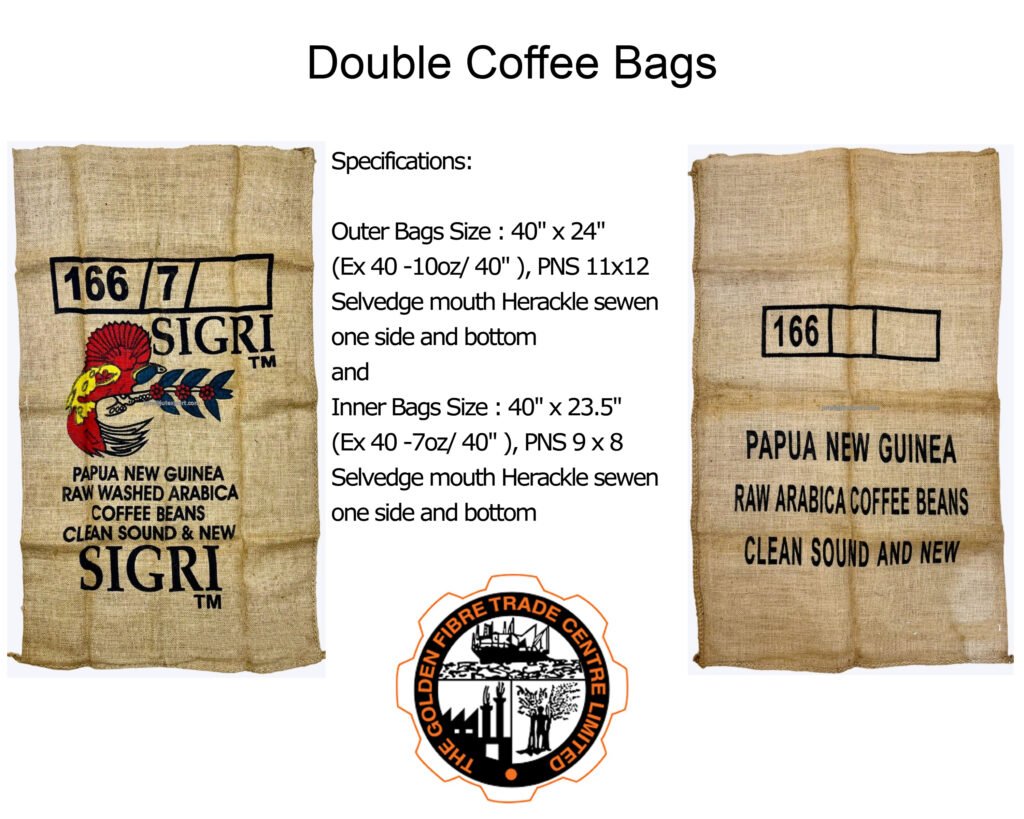
Standard 60kg Coffee Bag Dimensions and Their Impact
A standard 60kg coffee bag typically follows these specifications:
- Approximate Size: 44 × 26.5 inches
- Fabric Type: Hessian or burlap
- Weave: 6 × 7 or similar
- Weight of empty bag: Around 1 kg
While these numbers appear standardized, in practice, slight variations in fabric tension, stitching method, and finishing can significantly affect the final shape of the bag once filled. For example, a poorly stitched bag may bulge unevenly, while a high-quality bag maintains a more compact and stackable form.
This difference becomes critical when loading hundreds of bags inside a confined container space. Even small inconsistencies can lead to unused gaps, unstable stacking, and reduced total capacity.
At GFTCL, we ensure that every bag meets strict production standards. As a result, our clients benefit from uniform stacking, better space utilization, and safer shipments.
The Real Answer: How Many 60kg Coffee Bags Fit in a 20ft Container
Now we address the core question with practical accuracy.
In real export conditions:
- Standard loading range: 300 to 320 bags
- Common commercial loading: Around 305–310 bags
- Maximum optimized loading: Up to 320 bags (with perfect conditions)
However, it is important to understand that this number is not fixed. Instead, it depends on a combination of factors that experienced exporters must manage carefully. For example, if the coffee has slightly higher moisture content, the bags may expand. Similarly, if the jute fabric is too soft or inconsistent, stacking efficiency will decrease. On the other hand, when high-quality burlap coffee bags are used, and loading follows a structured pattern, exporters can safely reach higher capacity. This is why buyers who work with experienced jute products exporters in Bangladesh consistently achieve better results compared to those using low-grade packaging.
Why Jute Quality Directly Affects Container Capacity
Many exporters underestimate the impact of bag quality on loading efficiency. However, in reality, the quality of jute bags is one of the most important variables in container planning. Fabric Strength and Density: High-quality hessian cloth maintains its structure under pressure. This allows bags to stack tightly without collapsing.
Stitching Precision: Strong seams prevent deformation during loading. This ensures consistent shape across all bags.
Dimensional Accuracy: Uniform size allows better alignment and reduces wasted space.
Surface Texture: Good-quality jute creates friction between bags, which stabilizes stacking.
Because of these factors, sourcing from a reliable jute bag exporter in Bangladesh like GFTCL is not just about quality, it is about logistics efficiency and cost control.
Loading Methods: The Difference Between Average and Expert Exporters
Loading technique plays a decisive role in how efficiently a container is utilized, and it often distinguishes average exporters from experienced professionals. While many buyers focus on sourcing premium jute bags such as hessian bags or burlap coffee bags, they often overlook the importance of proper loading methods. In practice, even high-quality bags cannot deliver full value if the loading process is inefficient. The way bags are arranged inside a container directly impacts capacity, safety, and overall shipping cost.
Basic Loading (Low Efficiency)
In basic loading practices, exporters tend to follow unstructured methods that result in poor space utilization. This includes random stacking, uneven layer formation, and visible gaps between bags. Because of these inefficiencies, the total number of bags that can fit inside a container decreases significantly. Moreover, uneven stacking increases the risk of cargo shifting during transit, which can damage goods and compromise shipment safety. As a result, exporters face higher logistics costs and potential losses.
Professional Loading (High Efficiency)
In contrast, professional exporters apply systematic loading techniques to maximize efficiency and safety. These methods involve cross-stacking patterns where bags are placed in alternating directions to create a stable structure. In addition, interlocking layers help eliminate empty spaces, while balanced weight distribution ensures that the entire load remains stable throughout transportation. This approach allows exporters to fit more bags into a container while maintaining the integrity of the cargo. For products like coffee or cocoa packed in jute sacks, this level of precision is essential for safe and cost-effective export.
GFTCL’s Practical Loading Guidance
At GFTCL, we go beyond supplying premium jute products by offering practical export solutions to our clients. We guide buyers and logistics teams on efficient loading techniques so they can optimize every shipment. By combining high-quality jute bags with expert loading practices, GFTCL helps clients maximize container capacity, reduce shipping costs, and ensure safe delivery across global markets.
Why Global Buyers Prefer Bangladesh Jute Industry
The Bangladesh jute industry has earned a strong global reputation for reliability, sustainability, and export readiness, making it a preferred choice for international buyers across the coffee, cocoa, and agricultural sectors. Over the years, Bangladesh has positioned itself as a leading source of high-quality jute products, supported by skilled manufacturing, deep supply chain integration, and consistent export performance. Unlike synthetic packaging materials, which raise environmental concerns and often fail to meet modern sustainability standards, jute provides a balanced solution that combines functionality with eco-conscious value. As global markets increasingly shift toward greener alternatives, buyers are actively moving away from plastic and opting for natural fiber solutions, and Bangladesh stands at the center of this transition.
Eco Friendly Advantage
One of the most compelling reasons global buyers prefer the Bangladesh jute industry is its strong environmental advantage. Jute is a fully biodegradable and reusable natural fiber, which makes it an ideal alternative to plastic packaging. As governments and corporations worldwide adopt stricter sustainability goals, the demand for eco-friendly jute continues to grow. Unlike synthetic materials that contribute to long-term pollution, jute decomposes naturally without harming the environment. This aligns perfectly with global initiatives focused on reducing carbon footprints and promoting sustainable supply chains. For companies seeking environmentally responsible packaging, sourcing from a reliable Bangladesh jute exporter provides both compliance and brand value.
Breathability
Another critical factor that drives demand is the natural breathability of jute. Products like coffee beans require proper airflow to maintain quality during storage and transportation. Jute bags, including hessian bags and burlap coffee bags, allow natural ventilation, which helps prevent moisture buildup and reduces the risk of mold or spoilage. This breathable structure ensures that agricultural commodities remain fresh even after long transit periods. As a result, coffee exporters and importers across Africa, Europe, and the Americas consistently prefer jute packaging sourced from Bangladesh.
Durability
Durability is equally important in global trade, especially for bulk commodities that travel long distances through multiple handling points. Jute bags produced in Bangladesh are known for their strength and resilience, allowing them to withstand heavy loads, rough handling, and extended shipping routes. Whether transported by sea or land, these bags maintain their structure and protect the contents effectively. This durability reduces product loss and enhances overall supply chain reliability, which is why experienced buyers prioritize working with trusted jute manufacturers in Bangladesh.
Cost Efficiency
In addition to performance and sustainability, cost efficiency plays a significant role in buyer preference. Jute packaging offers long-term economic benefits because it is reusable and durable. Unlike single-use synthetic bags, jute bags can be reused multiple times, reducing overall packaging costs for businesses. This makes jute not only an environmentally responsible choice but also a financially practical one. For bulk buyers and exporters, especially in the coffee industry, this combination of affordability and performance creates a strong competitive advantage.
Because of these combined benefits of eco friendliness, breathability, durability, and cost efficiency global buyers actively seek jute exporters in Bangladesh for their packaging needs. Companies like GFTCL continue to support this demand by supplying premium jute products that meet international standards while delivering consistent quality and export reliability.
GFTCL: More Than a Jute Supplier
At The Golden Fiber Trade Center Ltd. (GFTCL), we position ourselves not merely as a traditional supplier but as a strategic export partner dedicated to supporting global buyers at every stage of the sourcing process. In today’s competitive international market, buyers require more than just products; they need reliability, technical guidance, and seamless export execution. GFTCL addresses this need by combining premium jute manufacturing expertise with comprehensive export support. Our approach focuses on delivering complete solutions rather than simple transactions, ensuring that each client receives consistent quality, accurate specifications, and dependable service across every shipment.
Premium Jute Coffee Bags
We specialize in supplying premium jute coffee bags designed to meet the demanding requirements of global coffee exporters and importers. These bags are manufactured using high-quality natural fibers to ensure strength, breathability, and durability, which are essential for maintaining the quality of coffee beans during long transit periods. Our hessian and burlap coffee bags are tailored to international standards, making them suitable for bulk export and storage in diverse climates and conditions.
Customized Specifications
Understanding that each buyer has unique requirements, GFTCL offers fully customized specifications to match specific export needs. Whether it involves size, weight, weave type, stitching style, or printing requirements, we work closely with clients to develop products that align precisely with their operational and branding expectations. This flexibility allows buyers to maintain consistency across their supply chain while meeting the standards of their target markets.
Export Documentation Support
Beyond manufacturing, we provide comprehensive export documentation support to ensure smooth and compliant international transactions. Our team assists with all necessary paperwork, including proforma invoices, packing lists, bills of lading, certificates of origin, and other regulatory documents. This structured approach minimizes delays, reduces risk, and ensures that shipments reach their destination without complications.
Loading Guidance
Efficient logistics play a critical role in export success, which is why GFTCL also provides practical loading guidance to optimize container utilization. We advise clients on professional loading techniques such as cross-stacking and balanced weight distribution, helping them maximize capacity while ensuring cargo safety. This added support allows buyers to reduce shipping costs and improve overall operational efficiency.
Consistent Product Quality
Consistency remains at the core of our operations. As a trusted jute manufacturer Bangladesh, GFTCL maintains strict quality control standards throughout production and packaging. Each batch is carefully monitored to ensure uniformity in fabric quality, stitching strength, and finishing. This commitment to consistency builds long-term trust with our global partners and reinforces our reputation in the international jute market.
In essence, GFTCL goes beyond supplying jute products by delivering knowledge, reliability, and end-to-end export support. We ensure that our clients receive not only the right product but also the expertise required to use it effectively, making us a dependable partner in the global jute supply chain.
Weight vs Volume: The Real Limiting Factor in Container Loading
Understanding container loading is essential for exporters working with the Bangladesh jute industry. Many exporters assume that space determines how many bags fit inside a container. However, in real shipping conditions, weight often becomes the main limiting factor before volume reaches full capacity. This is especially important when dealing with dense commodities such as coffee, where each unit carries significant weight and directly impacts total shipment planning.
Understanding the Weight of 60 kg Coffee Bags
A standard 60 kg coffee bag may seem manageable individually, but the total weight increases rapidly when loaded in bulk. For instance, loading 300 bags results in 18,000 kg, while 310 bags increase the total to 18,600 kg. Similarly, 320 bags reach 19,200 kg. At first glance, these numbers appear safe within container limits. However, experienced exporters in the Bangladesh jute industry know that these figures only represent the base product weight and not the complete shipment load.
Additional Factors That Affect Total Shipment Weight
In practical export scenarios, several additional elements contribute to the final container weight. First, the weight of jute bags adds up across large quantities, even if each bag is lightweight. Second, moisture variation plays a critical role, especially in natural fiber packaging like eco-friendly jute bags, which can absorb humidity during transit. Moreover, packaging tolerance, stitching materials, and handling variations also increase overall weight. In addition, port regulations and safety limits must always be considered to avoid penalties or shipment delays.
Why Volume Is Not the Only Consideration
Although container space remains important, it does not always determine loading limits. In fact, many shipments reach maximum weight before filling the container completely. Because of this, exporters must balance both weight and volume carefully. A professional exporter does not simply aim for the highest number of bags. Instead, they focus on safe and optimized loading strategies that protect cargo, maintain compliance, and ensure smooth delivery.
Role of a Reliable Jute Manufacturer in Bangladesh
At this stage, the role of a trusted jute manufacturer Bangladesh becomes highly important. A reliable supplier like The Golden Fiber Trade Center Ltd. (GFTCL) ensures consistent bag weight, uniform quality, and precise specifications. This consistency allows exporters to calculate shipment weight more accurately and avoid unexpected variations. As a result, buyers working with experienced suppliers in the Bangladesh jute industry gain better control over logistics and improve overall shipping efficiency.
Smart Loading Strategy for Export Success
Ultimately, successful container loading depends on knowledge, planning, and experience. Exporters who understand the balance between weight and volume achieve better results in international trade. By working with an experienced partner like GFTCL, buyers can optimize loading capacity while maintaining safety and compliance. This approach not only reduces risk but also strengthens long-term supply chain performance in the global jute trade.
Layer-by-Layer Loading Logic: How Professionals Stack Coffee Bags
In the Bangladesh jute industry, efficient container loading depends not only on bag quantity but also on the method of stacking. Professional exporters never rely on random placement. Instead, they follow a structured, layer-by-layer loading approach that maximizes capacity while ensuring cargo stability. This method directly influences how many coffee bags can fit inside a container, and more importantly, how safely they travel across long distances. A reliable jute manufacturer in Bangladesh such as The Golden Fiber Trade Center Ltd. (GFTCL) supports this process by supplying uniform, high-quality bags that allow precise stacking without collapse or deformation.
Step 1: Base Layer Formation
The loading process begins with a strong and tightly arranged base layer. At this stage, workers carefully place each bag across the container floor in a systematic pattern. Bags are aligned both lengthwise and widthwise to eliminate empty spaces. As a result, the base becomes compact and stable, which is essential for supporting the upper layers. In the Bangladesh jute industry, experienced exporters understand that a weak base leads to instability later in transit, so this step receives maximum attention.
Step 2: Cross Stacking for Stability
After completing the base layer, the second layer is placed in a perpendicular direction. This technique, known as cross stacking, creates a locking effect between layers. Because the bags are positioned at alternating angles, they hold each other in place naturally. Consequently, this method reduces the risk of shifting during transport. Professional exporters working with a trusted jute manufacturer Bangladesh rely on consistent bag dimensions to achieve this precise alignment.
Step 3: Interlocking Layers for Strength
As loading continues, each new layer alternates direction to create an interlocking structure. This pattern builds strength throughout the stack and distributes weight evenly. Moreover, interlocking prevents bags from sliding or collapsing under pressure. In large shipments, this technique becomes critical because even slight movement can damage cargo. Therefore, exporters in the Bangladesh jute industry prioritize this structured approach over faster but less reliable methods.
Step 4: Vertical Compression Control
With each additional layer, natural compression begins to occur due to weight. At this point, bag quality plays a major role. High-quality hessian bags maintain their shape under pressure, allowing tighter and more efficient stacking. On the other hand, poor-quality bags may deform, reducing overall capacity and increasing risk. This is why experienced exporters prefer premium jute bags supplied by companies like GFTCL, a trusted jute manufacturer in Bangladesh, where consistency and strength are ensured.
Step 5: Final Layer Adjustment
Finally, the top layer is arranged with precision to maximize vertical space without exceeding safe height limits. Workers adjust placement carefully to ensure the container closes properly while maintaining load stability. This step may seem minor, but it directly affects total capacity and shipment safety. A well-finished top layer reflects professional loading standards within the Bangladesh jute industry.
Achieving Maximum Capacity with Professional Loading
By following this structured method, exporters can consistently achieve loading capacity between 305 to 320 bags per 20ft container. However, this result depends heavily on both technique and bag quality. At GFTCL, we strongly emphasize that premium jute bags play a critical role in successful loading. High-quality bags maintain structure, support compression, and enable precise stacking. In contrast, low-quality bags collapse under pressure, reducing capacity and increasing the risk of damage.
Ultimately, professional loading is not just about fitting more bags. It is about combining expertise, planning, and reliable materials. With the support of an experienced partner like GFTCL, exporters can optimize every container while maintaining safety, efficiency, and global shipping standards.
How Moisture Content Affects Container Capacity
In the Bangladesh jute industry, moisture control plays a critical yet often overlooked role in determining how efficiently a container can be loaded with coffee bags. Many exporters focus on bag size and stacking techniques, yet they underestimate how environmental moisture directly affects both weight and volume. In real-world export conditions, even a slight increase in moisture content can change the behavior of coffee bags inside a container. Therefore, professional exporters and every reliable jute manufacturer Bangladesh emphasize moisture management as a key factor in achieving safe and optimized loading.
Why Moisture Matters in Coffee Export
Coffee beans are naturally hygroscopic, which means they absorb moisture from the surrounding environment. As humidity levels rise, the beans inside each bag begin to retain water. Consequently, the volume of the bag expands slightly, and its shape becomes less uniform. At the same time, the overall weight of each bag increases, even if only marginally. While this change may appear small on an individual level, it becomes significant when multiplied across hundreds of bags within a container.
Because of this, increased moisture leads to several practical challenges during loading and transportation. First, expanded bags reduce the total number of units that can fit inside a container, lowering overall capacity. Second, irregular shapes make stacking more difficult, which reduces efficiency and stability. In addition, excess moisture creates a higher risk of mold development, which can damage the coffee and lead to quality issues upon arrival. For exporters operating within the Bangladesh jute industry, managing these risks is essential for maintaining product integrity and customer satisfaction.
Role of Jute Packaging in Moisture Control
At this stage, the importance of jute packaging becomes very clear. Unlike synthetic materials such as plastic, eco-friendly jute is naturally breathable. This unique property allows air circulation through the fabric, enabling moisture to escape gradually rather than being trapped inside the bag. As a result, jute helps maintain the natural condition of coffee beans during long-distance shipping.
This is one of the main reasons why global buyers consistently prefer burlap coffee bags sourced from trusted suppliers. A dependable jute manufacturer Bangladesh ensures that the fabric quality supports proper ventilation while maintaining strength and durability. Within the Bangladesh jute industry, this balance between breathability and performance has become a key competitive advantage in international markets.
Best Practices for Moisture Management
To ensure stable container loading and safe shipment, exporters must follow several practical steps. First, coffee should always be properly dried before packing to maintain optimal moisture levels. Second, storage conditions must be controlled, and bags should be kept in well-ventilated areas to prevent humidity buildup. In addition, using food-grade treated jute bags, such as VOT (Vegetable Oil Treated) bags, provides an extra layer of protection against contamination and moisture-related issues.
At The Golden Fiber Trade Center Ltd. (GFTCL), we guide our clients on these best practices to improve export performance. As a trusted jute manufacturer Bangladesh, we supply high-quality jute bags that support airflow, maintain structural integrity, and enhance stacking efficiency. By combining proper moisture control with premium jute packaging, exporters can achieve better container utilization, reduce risk, and ensure that every shipment meets international quality standards.
Ultimately, moisture management is not just a technical detail. It is a critical factor that influences capacity, safety, and product quality. With the expertise of the Bangladesh jute industry and the support of reliable partners like GFTCL, global buyers can confidently optimize their coffee export operations.
Bag Compression Behavior: The Hidden Variable
In the Bangladesh jute industry, bag compression behavior remains one of the most underestimated factors in container loading. When exporters stack hundreds of coffee bags inside a 20ft container, compression naturally occurs due to the cumulative weight of upper layers. However, not all bags respond to this pressure in the same way. This variation directly affects stacking efficiency, container capacity, and shipment safety. Therefore, experienced exporters and every reliable jute manufacturer in Bangladesh pay close attention to how jute bags behave under load rather than focusing only on quantity or size.
How Low-Quality Bags Impact Loading Efficiency
Low-quality jute bags tend to collapse under vertical pressure. As the upper layers apply weight, these bags lose their original shape and become uneven. Consequently, gaps start to form between stacked layers, reducing overall density. In addition, this deformation weakens the stability of the entire load, increasing the risk of shifting during transit. For exporters, this leads to two major problems. First, fewer bags can fit inside the container due to inefficient space utilization. Second, cargo safety becomes compromised, which can result in product damage or rejection at the destination. Within the Bangladesh jute industry, such inefficiencies can significantly impact export performance and buyer confidence.
Advantages of High-Quality Jute Bags
In contrast, high-quality eco-friendly jute bags behave much more predictably under compression. Instead of collapsing, they maintain their structural integrity while allowing controlled and even compression. This uniform response helps bags settle tightly together, which improves stacking density and eliminates unnecessary gaps. As a result, exporters can load more bags safely while maintaining a stable structure throughout the container. A trusted jute manufacturer Bangladesh ensures that fabric strength, weaving quality, and stitching all contribute to this consistent performance.
Why Bag Quality Determines Container Capacity
Because compression directly affects how tightly bags can be stacked, the quality of jute bags becomes a decisive factor in container efficiency. Exporters who choose a reliable jute bag exporter in Bangladesh gain a clear advantage. They can achieve higher loading capacity, better stability, and reduced risk during transportation. On the other hand, using inconsistent or weak bags often leads to lower capacity and operational challenges. Therefore, professional exporters in the Bangladesh jute industry always prioritize quality over short-term cost savings.
GFTCL’s Approach to Compression Performance
At The Golden Fiber Trade Center Ltd. (GFTCL), we design our jute bags specifically to perform under real shipping conditions. As a trusted jute manufacturer Bangladesh, we ensure that every bag maintains dimensional stability even under heavy stacking pressure. Our bags resist excessive deformation, which allows them to retain shape while still adapting to natural compression. In addition, they provide strong support for vertical stacking, enabling exporters to build stable and compact loads.
Because of this consistency, exporters working with GFTCL can maximize container capacity without compromising safety. Ultimately, understanding bag compression behavior allows buyers to optimize every shipment. With the support of high-quality products from the Bangladesh jute industry, global exporters can achieve better efficiency, improved cargo protection, and stronger long-term performance in international trade.
Freight Cost Optimization: Why Every Bag Matters
In the Bangladesh jute industry, freight cost optimization plays a crucial role in determining overall export profitability. Container freight operates on a fixed-cost structure, which means that whether you load fewer bags or maximize full capacity, the shipping cost remains the same. Therefore, the number of bags loaded inside a container directly impacts the cost per unit. Because of this, exporters working with a reliable jute manufacturer Bangladesh always aim to optimize loading capacity rather than simply meeting minimum requirements.
Fixed Freight Cost vs Variable Load Capacity
One of the most important principles in container shipping is that freight cost does not change based on the number of bags loaded. For example, if a container carries 300 bags, the cost is distributed across those 300 units. However, if the same container carries 320 bags, the cost is spread across more units, which reduces the cost per bag. As a result, even a small increase in loading capacity can significantly improve cost efficiency. In the Bangladesh jute industry, experienced exporters understand that maximizing load within safe limits directly improves profit margins.
Small Differences, Big Financial Impact
At first glance, a difference of 10 to 20 bags per container may seem minor. However, when shipments occur regularly, this small difference creates a large financial impact. Over multiple containers, this translates into substantial savings and better pricing flexibility in competitive markets. Therefore, exporters do not ignore these incremental gains. Instead, they focus on continuous improvement in loading efficiency, supported by consistent products from a trusted jute manufacturer Bangladesh.
Key Factors That Influence Cost Efficiency
Freight optimization depends on several interconnected factors. First, bag quality plays a vital role because high-quality jute bags maintain their shape and allow tighter stacking. Second, loading technique directly affects how efficiently space is used. Professional methods such as cross-stacking and interlocking layers help eliminate gaps and improve density. Third, consistent specifications ensure uniform size and weight, which allows accurate planning and predictable loading. In the Bangladesh jute industry, exporters who control these factors achieve better container utilization and lower cost per unit.
Why Professional Buyers Focus on Optimization
Experienced buyers understand that cost efficiency is not achieved by price alone. Instead, it comes from a combination of quality, consistency, and logistics efficiency. By working with a dependable jute manufacturer Bangladesh, buyers ensure that every shipment meets the same standards, which reduces risk and improves planning accuracy. As a result, they gain long-term advantages in pricing, reliability, and supply chain performance.
GFTCL’s Approach to Freight Optimization
At The Golden Fiber Trade Center Ltd. (GFTCL), we actively help our clients improve freight efficiency. As a trusted jute manufacturer Bangladesh, we supply premium jute bags with consistent specifications that support optimal stacking and maximum capacity. In addition, we guide buyers on loading techniques and best practices to ensure safe and efficient shipments. Through this approach, our clients achieve lower cost per bag while maintaining high product quality.
Ultimately, freight cost optimization is not just about loading more bags. It is about using the right products, the right techniques, and the right expertise. With the strength of the Bangladesh jute industry and the support of GFTCL, exporters can maximize container value, reduce costs, and strengthen their competitiveness in global markets.
Floor Loading vs Pallet Loading: Strategic Decision
In the Bangladesh jute industry, choosing between floor loading and pallet loading is a strategic decision that directly affects container capacity, cost efficiency, and overall export performance. Exporters must evaluate not only convenience but also long-term financial impact when selecting a loading method. While both approaches have their own advantages, most experienced exporters working with a reliable jute manufacturer Bangladesh carefully analyze which method aligns best with their shipment goals, especially when transporting bulk commodities like coffee.
Floor Loading: Maximum Capacity and Cost Efficiency
Floor loading remains the most common method used in the Bangladesh jute industry, particularly for coffee exports. In this approach, bags are loaded directly onto the container floor without using pallets. This allows exporters to utilize every inch of available space inside the container. As a result, maximum capacity can be achieved, which directly lowers the freight cost per bag. Because container freight remains fixed, increasing the number of bags significantly improves cost efficiency. In addition, floor loading enables better space utilization through structured stacking techniques such as cross-stacking and interlocking layers.
However, floor loading requires skilled labor and careful supervision. Workers must follow proper stacking methods to ensure stability and avoid shifting during transit. Moreover, loading and unloading may take more time compared to palletized shipments. Despite these challenges, most exporters in the Bangladesh jute industry still prefer floor loading because the financial benefits outweigh the operational effort.
Pallet Loading: Convenience and Speed
On the other hand, pallet loading offers a more organized and faster handling process. In this method, bags are stacked on pallets before being loaded into the container. This allows for easier movement using forklifts, which speeds up both loading and unloading operations. Pallet loading also improves warehouse efficiency, as goods can be handled, stored, and transported more systematically.
However, the main drawback of pallet loading is reduced container capacity. Pallets occupy additional space, which means fewer bags can fit inside the container. As a result, the cost per bag increases because the fixed freight cost is distributed over a smaller number of units. For exporters focused on maximizing efficiency, this becomes a significant disadvantage. Even when working with a trusted jute manufacturer Bangladesh, the limitation of pallet space cannot be fully compensated.
Why Exporters Prefer Floor Loading
Because of these factors, most coffee exporters prefer floor loading as their primary method. It allows them to maximize container capacity, reduce freight cost per unit, and improve overall profitability. In the highly competitive global market, even small cost differences can make a significant impact over multiple shipments. Therefore, exporters in the Bangladesh jute industry prioritize methods that deliver the highest efficiency.
At The Golden Fiber Trade Center Ltd. (GFTCL), we support our clients by providing high-quality jute bags that are suitable for efficient floor loading. As a reliable jute manufacturer Bangladesh, we ensure consistent bag strength and dimensions, which allow for tight stacking and stable loading. In addition, we guide exporters with practical insights so they can choose the right loading strategy based on their specific shipment requirements.
Ultimately, the decision between floor loading and pallet loading depends on the exporter’s priorities. However, for bulk coffee shipments where capacity and cost efficiency matter most, floor loading remains the preferred choice. With the right expertise and support from the Bangladesh jute industry, exporters can optimize their operations and achieve better results in international trade.
Real Export Scenarios: Africa and Asia
In the global coffee trade, real export practices vary across regions, yet the importance of reliable packaging remains consistent. The Bangladesh jute industry plays a central role in supporting both African and Asian exporters by supplying high-quality, breathable jute bags that meet international standards. Whether the focus is on capacity, quality, or branding, exporters across these regions depend on a trusted jute manufacturer Bangladesh to ensure smooth logistics and consistent shipment performance. Understanding these regional differences helps buyers make better sourcing decisions and optimize their export operations.
East Africa Coffee Exporters: Focus on Capacity and Breathability
In East Africa, countries such as Ethiopia and Uganda are among the world’s leading coffee producers. Exporters in these regions rely heavily on burlap coffee bags made from natural jute because of their durability and breathability. Since coffee quality is highly sensitive to moisture and airflow, jute remains the preferred packaging material. Typically, exporters aim to load between 305 to 315 bags per 20ft container, balancing both capacity and safety. This target reflects practical experience in maximizing container utilization without exceeding weight or stability limits.
Moreover, East African exporters prioritize strong, breathable jute sacks that can withstand long shipping routes and varying climatic conditions. As a result, they prefer sourcing from experienced suppliers within the Bangladesh jute industry, where product quality and export consistency are well established. A dependable jute manufacturer Bangladesh ensures that each bag maintains structural integrity while allowing proper ventilation, which protects the coffee during transit.
Asian Coffee Exporters: Focus on Consistency and Branding
In contrast, Asian coffee exporters often place greater emphasis on precision and presentation. While capacity remains important, they focus more on consistent bag size, clean stitching, and uniform finishing. These factors ensure that loading becomes predictable and efficient, while also supporting better handling in warehouses and distribution centers. In addition, branding and traceability have become increasingly important in Asian markets. Exporters often require customized printing on jute bags, including logos, origin details, and batch information.
Because of these requirements, Asian buyers prefer working with a reliable jute manufacturer Bangladesh that can deliver consistent specifications across large volumes. Within the Bangladesh jute industry, manufacturers like GFTCL provide both standard and customized solutions, ensuring that each shipment meets the buyer’s exact requirements. This level of precision supports not only logistics efficiency but also brand visibility in global markets.
Why Global Buyers Choose Bangladesh Jute Exporters
Despite regional differences, both African and Asian exporters share a common priority: reliability. In international trade, consistency in product quality, delivery timelines, and communication is essential. This is why buyers from both regions prefer working with established jute products exporters in Bangladesh such as The Golden Fiber Trade Center Ltd. (GFTCL). As a trusted jute manufacturer in Bangladesh, GFTCL offers premium jute bags, customized solutions, and strong export support that align with the needs of global coffee exporters.
Ultimately, real export scenarios demonstrate that success depends on more than just the number of bags loaded into a container. It requires a combination of quality packaging, efficient loading practices, and dependable supply chains. With the expertise of the Bangladesh jute industry and the support of experienced partners like GFTCL, exporters in Africa and Asia can achieve consistent, efficient, and high-quality coffee shipments to international markets.
Common Mistakes That Reduce Container Capacity
In the Bangladesh jute industry, achieving maximum container capacity requires precision, consistency, and proper planning. However, even experienced exporters sometimes lose efficiency due to avoidable mistakes that directly affect loading performance and shipment safety. These mistakes may seem minor at first, yet they create significant gaps, instability, and reduced capacity when multiplied across hundreds of bags. Therefore, exporters working with a reliable jute manufacturer Bangladesh must identify and eliminate these issues to maintain optimal efficiency and consistent export results.
Inconsistent Bag Sizes Create Uneven Stacking
One of the most common problems arises from using jute bags with inconsistent dimensions. When bag sizes vary, stacking becomes uneven, and gaps start to form between layers. As a result, the container cannot be fully utilized, which reduces the total number of bags that can be loaded. In addition, uneven stacking affects stability and increases the risk of shifting during transit. This is why professional exporters in the Bangladesh jute industry always prefer suppliers who maintain strict size consistency.
Poor Stitching Quality Leads to Deformation
Another critical mistake involves poor stitching quality. Weak seams and improper stitching cause bags to deform under pressure when stacked. Consequently, the bags lose their shape and cannot support the weight of upper layers effectively. This not only reduces stacking density but also compromises cargo safety. A trusted jute manufacturer Bangladesh ensures strong stitching and high-quality finishing so that bags retain their structure throughout the shipment.
Ignoring Moisture Control Reduces Stability
Moisture management is often overlooked, yet it has a direct impact on container capacity. When moisture levels are not properly controlled, coffee bags expand and become irregular in shape. This expansion reduces the number of bags that can fit inside the container and makes stacking more difficult. Moreover, excess moisture increases the risk of mold and product damage. Exporters in the Bangladesh jute industry understand that proper drying, ventilation, and the use of breathable jute bags are essential for maintaining stability.
Untrained Loading Teams Reduce Efficiency
Loading efficiency depends heavily on the skill of the workforce. Untrained or inexperienced loading teams often use random stacking methods, which create gaps and reduce overall capacity. In contrast, trained professionals follow structured techniques such as cross-stacking and interlocking layers to maximize space utilization. Therefore, exporters must ensure that their loading teams are properly trained to handle bulk shipments efficiently. Working with a knowledgeable jute manufacturer Bangladesh like GFTCL also provides valuable guidance on best loading practices.
Overloading Creates Safety and Compliance Risks
While maximizing capacity is important, overloading a container beyond safe limits can lead to serious consequences. Excess weight may violate port regulations, cause shipment delays, or even result in cargo rejection. In addition, overloading increases the risk of structural damage to both the container and the goods inside. For this reason, exporters in the Bangladesh jute industry focus on optimal loading rather than maximum loading, ensuring a balance between efficiency and safety.
Avoiding Mistakes for Better Export Performance
Ultimately, avoiding these common mistakes ensures smoother and more efficient export operations. By maintaining consistent bag sizes, ensuring high stitching quality, controlling moisture, training loading teams, and respecting safety limits, exporters can significantly improve container utilization. At The Golden Fiber Trade Center Ltd. (GFTCL), we help our clients address these challenges by providing premium jute bags with uniform specifications and reliable performance. As a trusted jute manufacturer Bangladesh, we support exporters in achieving maximum efficiency while maintaining safety and compliance in every shipment.
By following these best practices, exporters can reduce risks, optimize container capacity, and strengthen their position in the competitive global market.
Why GFTCL Makes a Measurable Difference
In the highly competitive global market, success in the Bangladesh jute industry depends on more than just supplying products. Many suppliers focus only on selling jute bags, but true export efficiency requires a deeper understanding of logistics, consistency, and performance. This is where The Golden Fiber Trade Center Ltd. (GFTCL) stands apart. As a trusted jute manufacturer Bangladesh, we focus not only on delivering premium jute bags but also on improving the overall export performance of our clients. Our approach ensures that every shipment achieves maximum efficiency, safety, and reliability.
What GFTCL Ensures for Every Shipment
At GFTCL, we maintain strict control over product specifications to support seamless loading and transportation. We ensure uniform bag dimensions so that stacking remains consistent and predictable. In addition, our bags feature strong stitching and high-quality finishing, which prevent deformation under pressure. We also provide food-grade compliance through VOT (Vegetable Oil Treatment), ensuring that our bags meet international standards for coffee and food packaging. Moreover, we maintain consistent fabric quality across all orders, which helps exporters plan shipments with accuracy and confidence. Finally, our export-ready packaging ensures that every consignment is prepared for smooth handling and global transportation.
How This Impacts Export Performance
Because of these quality standards, our clients experience measurable improvements in their export operations. Uniform and durable bags allow for better stacking efficiency, which increases the number of bags that can fit inside a container. At the same time, strong construction reduces the risk of damage during transit, protecting both the product and the shipment value. In addition, optimized loading leads to lower freight cost per unit, which directly improves profitability. These advantages make a significant difference, especially for exporters managing large volumes in the Bangladesh jute industry.
Beyond Supply: A Strategic Export Partner
At GFTCL, we believe that our role goes beyond simply supplying jute bags. As a reliable jute manufacturer Bangladesh, we act as a strategic partner for our clients by providing guidance, consistency, and long-term support. We help buyers understand how bag quality, loading techniques, and packaging standards work together to improve overall shipment performance. This holistic approach ensures that our clients not only receive the right product but also achieve better results in global trade.
Ultimately, the difference lies in our commitment to performance. While others focus on price alone, GFTCL focuses on value, efficiency, and reliability. With the strength of the Bangladesh jute industry and our expertise in export-ready solutions, we help buyers optimize every shipment and succeed in international markets.
The Role of Bangladesh Jute Industry in Global Coffee Trade
The Bangladesh jute industry has become a cornerstone of global coffee logistics, playing a vital role in how coffee is stored, transported, and delivered across international markets. As global demand for sustainable and reliable packaging continues to grow, jute has emerged as the preferred material for coffee exporters worldwide. Unlike synthetic alternatives, jute offers a natural, biodegradable, and breathable solution that protects coffee quality during long-distance shipping. Because of these advantages, exporters increasingly rely on a trusted jute manufacturer Bangladesh to ensure that their packaging meets both performance and environmental standards.
Supplying High-Quality Jute Bags for Global Markets
One of the most important contributions of the Bangladesh jute industry is its ability to supply high-quality jute bags at scale. These bags are specifically designed to handle the demands of coffee export, including durability, breathability, and consistent dimensions. High-quality jute bags maintain their structure under heavy stacking, allowing exporters to optimize container loading and reduce damage during transit. As a result, global buyers prefer sourcing from an experienced jute manufacturer Bangladesh that can guarantee uniform quality across large shipments.
Supporting Sustainable Packaging Solutions
Sustainability has become a key priority in the global coffee trade, and jute plays a central role in meeting these expectations. As a natural fiber, jute is biodegradable, reusable, and environmentally friendly, making it an ideal alternative to plastic packaging. In addition, its breathable nature allows air circulation, which helps preserve the quality of coffee beans by preventing moisture buildup. Because of this, the Bangladesh jute industry supports the shift toward eco-conscious packaging, helping coffee exporters align with global sustainability goals while maintaining product integrity.
Ensuring Export Reliability and Consistency
Beyond product quality, reliability is another major strength of the Bangladesh jute industry. Exporters depend on consistent supply, standardized specifications, and timely delivery to maintain smooth operations. A dependable jute manufacturer Bangladesh ensures that every batch of jute bags meets the same quality standards, which allows exporters to plan shipments with confidence. This consistency reduces operational risks, improves loading efficiency, and strengthens long-term partnerships between suppliers and global buyers.
A Trusted Partner in Global Coffee Logistics
Today, many of the world’s leading coffee exporters rely on Bangladesh for their packaging needs. The combination of quality, sustainability, and reliability has positioned the Bangladesh jute industry as a trusted partner in global trade. Companies like The Golden Fiber Trade Center Ltd. (GFTCL) contributes to this reputation by supplying premium jute products and supporting exporters with practical insights and export-ready solutions. As a reliable jute manufacturer in Bangladesh, GFTCL ensures that buyers receive not only high-quality bags but also the consistency and expertise required for successful international shipments.
Ultimately, the role of Bangladesh in the global coffee trade goes far beyond manufacturing. It supports the entire logistics chain by providing packaging solutions that enhance efficiency, protect product quality, and meet modern sustainability standards. With the continued growth of global coffee demand, the importance of the Bangladesh jute industry will only become stronger in the years ahead.
Buyer Checklist Before Ordering Coffee Jute Bags
In the Bangladesh jute industry, experienced buyers understand that successful sourcing goes far beyond negotiating price. Instead, they evaluate how each detail in the supply chain affects loading efficiency, shipment safety, and overall profitability. A small inconsistency in bag size, weight, or stitching can reduce container capacity and increase operational risk. Therefore, when sourcing from a reliable jute manufacturer Bangladesh, buyers must follow a structured checklist to ensure that every aspect of the order meets export standards. This is often the point where exporters either gain efficiency and cost advantage or face hidden losses.
Bag Size Accuracy and Dimensional Consistency
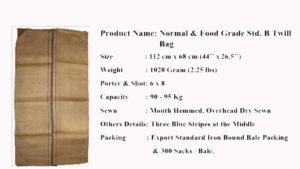
One of the first factors to verify is bag size accuracy. Standard coffee bag dimensions, such as 44 × 26.5 inches, must be strictly maintained across the entire order. Even slight variations in size can disrupt stacking patterns, create gaps, and reduce container capacity. In the Bangladesh jute industry, professional exporters rely on consistent dimensions to achieve efficient loading and predictable shipment planning.
Fabric Specification and Weave Structure
Another critical aspect is fabric specification. Buyers should confirm the weave type, such as 6 × 7 porter and shot construction, as it directly affects both strength and breathability. A well-constructed fabric ensures that the bag can withstand heavy loads while allowing proper air circulation for coffee preservation. A trusted jute manufacturer Bangladesh maintains consistent weaving standards to meet these functional requirements.
Bag Weight Consistency for Accurate Planning
Uniform bag weight is equally important for shipment calculations. When each bag has a consistent weight, exporters can accurately estimate total cargo weight and avoid unexpected discrepancies during loading. Inconsistent bag weight can lead to miscalculations, which may affect compliance with port regulations and overall logistics planning within the Bangladesh jute industry.
Stitching Quality and Structural Strength
Stitching quality plays a major role in maintaining bag integrity under pressure. Buyers should carefully check key areas such as mouth hemming, bottom seam strength, and overhead sewing. Strong stitching ensures that bags do not tear or deform during stacking and transportation. A reliable jute manufacturer Bangladesh guarantees high-quality stitching that supports both durability and efficient loading.
Food Grade Compliance for Coffee Safety
For coffee exports, food-grade compliance is essential. Buyers should always prefer VOT (Vegetable Oil Treated) jute bags, which meet international safety standards and reduce the risk of contamination. In the Bangladesh jute industry, VOT treatment has become a standard requirement for high-quality coffee packaging.
Moisture Condition and Storage Readiness
Before shipment, bags must be completely dry and free from odor. Moisture can affect both bag performance and coffee quality, leading to expansion, instability, and potential mold issues. Therefore, proper storage and handling are critical to ensure that jute bags are in optimal condition when loaded.
Printing Requirements and Branding Accuracy
For buyers who require branded packaging, printing quality must be carefully verified. This includes checking logo clarity, ink durability, and alignment. High-quality printing not only enhances brand visibility but also ensures that markings remain intact throughout the shipping process. A dependable jute manufacturer Bangladesh provides consistent printing standards to meet these expectations.
Export Documentation and Compliance Support
Finally, buyers must confirm that the supplier provides complete export documentation. This includes the commercial invoice, packing list, bill of lading, and certificate of origin. Proper documentation ensures smooth customs clearance and avoids delays in international shipments. In the Bangladesh jute industry, reliable exporters support buyers with accurate and timely documentation as part of their service.
GFTCL’s Integrated Approach to Buyer Assurance
At The Golden Fiber Trade Center Ltd. (GFTCL), we manage all these aspects systematically to ensure complete buyer satisfaction. As a trusted jute manufacturer Bangladesh, we provide not only premium jute bags but also full export support, quality control, and documentation assistance. Because of this comprehensive approach, our clients receive more than just products—they gain complete export reliability, improved efficiency, and long-term confidence in their supply chain.
Ultimately, following this checklist allows buyers to minimize risk, optimize container capacity, and achieve better results in global coffee trade.
Standard Specifications of Coffee Jute Bags Supplied by GFTCL
In the Bangladesh jute industry, product standardization plays a critical role in ensuring smooth export operations and consistent shipment performance. Global coffee exporters require packaging that meets strict international specifications, as even small variations can affect loading efficiency, product safety, and overall logistics planning. As a leading jute manufacturer in Bangladesh, The Golden Fiber Trade Center Ltd. (GFTCL) supplies coffee jute bags that are carefully designed to meet these global requirements while supporting efficient container loading and long-distance transportation.
Key Specifications for Export-Ready Coffee Jute Bags
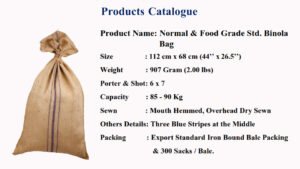
At GFTCL, our coffee jute bags are produced according to widely accepted international standards. The typical size of each bag is 44” × 26.5”, which ensures uniformity and compatibility with global loading practices. Each bag weighs approximately 2 lbs, allowing exporters to calculate total shipment weight accurately. We use high-quality hessian cloth as the primary fabric, known for its durability and breathability. The weave specification, commonly 6 × 7 porter and shot, provides the right balance between strength and airflow, which is essential for preserving coffee quality during transit.
In addition, all our coffee bags undergo VOT (Vegetable Oil Treatment), ensuring food-grade compliance and safety for coffee packaging. The stitching is carefully executed with a hemmed mouth and overhead sewing, which enhances structural integrity and prevents tearing under pressure. For buyers requiring branding, we offer customized printing solutions, including logo placement, clear alignment, and durable ink application. As a reliable jute manufacturer Bangladesh, we ensure that every specification remains consistent across large orders.
Performance Benefits of Standardized Jute Bags
These carefully controlled specifications provide several key advantages for exporters. First, the strong load-bearing capacity of our bags allows them to withstand heavy stacking without deformation. Second, the breathable nature of hessian fabric ensures proper airflow, which helps maintain the quality of coffee beans by preventing moisture buildup. Third, consistent bag size and weight enable efficient stacking, reducing gaps and maximizing container capacity. In the Bangladesh jute industry, such consistency directly contributes to better logistics performance and lower freight cost per unit.
Why Global Buyers Trust GFTCL
Because of our commitment to quality, consistency, and export readiness, GFTCL has established itself as a trusted partner among jute products exporters in Bangladesh. We do not simply supply bags; we deliver solutions that improve efficiency, reliability, and shipment performance. As a dependable jute manufacturer Bangladesh, we ensure that every product meets international standards and supports the practical needs of global coffee exporters.
Ultimately, standardized specifications are the foundation of successful exports. With GFTCL’s expertise and the strength of the Bangladesh jute industry, buyers can confidently source high-quality coffee jute bags that perform consistently across every shipment.
Customization Options for Global Buyers
In today’s competitive global market, buyers expect more than standard packaging solutions. They require products that align with their brand identity, logistics strategy, and specific product requirements. Within the Bangladesh jute industry, customization has become a key factor that differentiates suppliers and adds value to the overall export process. As a trusted jute manufacturer Bangladesh, The Golden Fiber Trade Center Ltd. (GFTCL) understands these evolving demands and offers a wide range of customization options to meet the diverse needs of international buyers.
Logo Printing for Brand Visibility
Branding plays a critical role in global trade, especially in the coffee industry where origin and identity matter. At GFTCL, we provide clear and durable logo printing that ensures strong brand visibility. Our printing process maintains sharp alignment, consistent color quality, and long-lasting ink performance, even under rough handling and extended shipping conditions. As a result, buyers can confidently showcase their brand while maintaining product integrity throughout the supply chain.
Size Customization for Different Applications
Different products require different packaging dimensions, and standard sizes may not always be suitable. Therefore, we offer flexible size customization based on the specific needs of our clients. Whether the requirement involves slight adjustments or completely unique dimensions, GFTCL ensures precise manufacturing with consistent measurements. In the Bangladesh jute industry, this level of customization allows exporters to optimize container loading and improve overall logistics efficiency.
Fabric Variation Based on Strength Requirements
Another important aspect of customization is fabric specification. At GFTCL, we provide different GSM (grams per square meter) options depending on the strength and durability required for the product. Heavier fabrics offer higher load-bearing capacity, while lighter fabrics may be suitable for less demanding applications. As a reliable jute manufacturer Bangladesh, we guide buyers in selecting the most appropriate fabric type to balance performance, cost, and functionality.
Color Options for Market Differentiation
While natural jute color remains the most widely used option, modern buyers often seek dyed variations to enhance product presentation and branding. GFTCL offers both natural and dyed jute options, allowing buyers to choose colors that match their brand identity or market preferences. This flexibility helps exporters stand out in competitive markets while maintaining the eco-friendly advantages of jute packaging.
Customized Bag Construction and Finishing
Beyond size and fabric, bag construction also plays a vital role in performance and usability. We offer customized stitching, hemming, and finishing options to meet specific handling and loading requirements. Whether it involves reinforced seams, special closures, or unique finishing techniques, GFTCL ensures that every detail is tailored to the buyer’s needs. Within the Bangladesh jute industry, such customization enhances both durability and operational efficiency.
Adding Value Through Customization
These customization services allow global buyers to go beyond standard packaging and create products that reflect their brand and operational goals. By working with a dependable jute manufacturer Bangladesh like GFTCL, buyers gain the flexibility to design packaging that improves both functionality and market appeal. Ultimately, customization not only enhances product differentiation but also contributes to better logistics performance and stronger brand positioning in international markets.
With the expertise of GFTCL and the strength of the Bangladesh jute industry, global buyers can access tailored solutions that meet modern demands while maintaining the highest standards of quality and sustainability.
How GFTCL Ensures Consistent Export Quality
In the Bangladesh jute industry, consistency is the foundation of long-term business relationships and successful export operations. Global buyers do not only look for high-quality products; they expect the same level of quality in every shipment. Any variation in material, stitching, or dimensions can disrupt loading efficiency and create operational challenges. Therefore, a reliable jute manufacturer Bangladesh must maintain strict control across the entire production process. At The Golden Fiber Trade Center Ltd. (GFTCL), we follow a structured and systematic approach to ensure consistent export quality at every stage.
Raw Material Selection for Superior Durability
The quality of a jute bag begins with the selection of raw jute. At GFTCL, we source premium-grade raw jute fibers to ensure strength, durability, and uniformity. High-quality raw materials allow us to produce bags that maintain their structure under pressure and perform reliably during long-distance shipping. In the Bangladesh jute industry, this careful selection process is essential for delivering products that meet international standards.
Production Monitoring for Precision and Control
During production, we closely supervise every step, including weaving, cutting, and stitching. This ensures that each process follows precise specifications and maintains uniform quality. By monitoring production continuously, we prevent variations that could affect bag performance or loading efficiency. As a trusted jute manufacturer Bangladesh, we understand that consistent production control leads to predictable and reliable results for our clients.
In-Line Inspection for Continuous Quality Assurance
In addition to production monitoring, we conduct in-line inspections throughout the manufacturing process. These inspections allow us to identify and correct any issues immediately, rather than waiting until the final stage. This proactive approach ensures that every batch maintains the same level of quality. Within the Bangladesh jute industry, continuous inspection is a key factor in achieving consistent export performance.
Final Inspection Before Shipment
Before any shipment leaves our facility, each batch undergoes a thorough final inspection. We verify dimensions, stitching quality, fabric strength, and overall finishing to ensure compliance with buyer specifications. This step guarantees that only approved products are delivered to our clients. A dependable jute manufacturer Bangladesh like GFTCL prioritizes this final verification to eliminate risks and maintain customer confidence.
Packaging Control for Safe Export
Proper packaging is another critical element of export quality. At GFTCL, we ensure that jute bags are packed securely in bales or cartons, depending on shipment requirements. This protects the bags from moisture, contamination, and damage during handling and transportation. Effective packaging also supports efficient loading and unloading, which further enhances export performance in the Bangladesh jute industry.
A System That Delivers Consistency
Because of this structured quality control system, GFTCL stands out among leading jute goods exporters in Bangladesh. Our commitment to consistency ensures that every shipment meets the same high standards, allowing buyers to plan their operations with confidence. As a reliable jute manufacturer Bangladesh, we go beyond basic supply by delivering dependable quality, reduced risk, and long-term value.
Ultimately, consistent export quality is not achieved by chance. It requires a disciplined process, experienced supervision, and a commitment to excellence. With GFTCL and the strength of the Bangladesh jute industry, global buyers can rely on stable, high-quality packaging solutions for every shipment.
Why Global Buyers Are Shifting to Bangladesh Jute Industry
The global packaging market is undergoing a significant transformation, and this shift is clearly visible across industries such as coffee, cocoa, and agricultural commodities. Buyers are steadily moving away from synthetic materials and embracing natural alternatives that align with modern sustainability goals. In this changing landscape, the Bangladesh jute industry has emerged as a preferred solution due to its ability to combine environmental responsibility with strong export performance. As global expectations evolve, companies increasingly rely on a trusted jute manufacturer Bangladesh to meet both regulatory requirements and market demand.
Growing Demand for Sustainable Packaging Solutions
One of the primary reasons behind this shift is the increasing emphasis on sustainability. Governments, organizations, and consumers are all pushing for environmentally friendly solutions that reduce plastic usage and minimize environmental impact. Jute, being a natural, biodegradable, and reusable fiber, perfectly aligns with these goals. As a result, eco friendly jute bags have become a practical and responsible alternative for global packaging needs. In the Bangladesh jute industry, manufacturers have adapted quickly to support this transition by offering high-quality, sustainable products for international markets.
Impact of Environmental Regulations and ESG Commitments
In addition to consumer demand, stricter environmental regulations are also driving this change. Many countries are introducing policies to limit plastic packaging and encourage the use of natural materials. At the same time, companies are strengthening their ESG (Environmental, Social, and Governance) commitments to meet investor and stakeholder expectations. These factors have accelerated the adoption of jute packaging across industries. A reliable jute manufacturer Bangladesh plays a key role in helping businesses comply with these regulations while maintaining efficient supply chains.
Competitive Advantages of Bangladesh Jute Industry
While sustainability is a major driver, buyers also consider economic and operational factors. The Bangladesh jute industry offers competitive pricing, making it a cost-effective solution compared to many alternative materials. In addition, Bangladesh has developed strong expertise in jute production, ensuring high-quality products with consistent specifications. The country’s well-established export infrastructure further supports timely delivery and reliable global supply. These advantages make Bangladesh a strategic sourcing destination for buyers seeking both quality and efficiency.
Rising Global Demand for Eco Friendly Jute Bags
Because of these combined benefits, demand for eco-friendly jute bags continues to grow across global markets. Buyers are not only looking for sustainable packaging but also for products that perform reliably during storage and transportation. Jute provides breathability, durability, and reusability, which are essential for commodities like coffee. As more companies transition to sustainable solutions, the role of the Bangladesh jute industry becomes even more significant.
Ultimately, the shift toward jute is not just a trend; it is a long-term transformation driven by environmental awareness, regulatory pressure, and market demand. With the support of experienced suppliers like The Golden Fiber Trade Center Ltd. (GFTCL), a trusted jute manufacturer in Bangladesh, global buyers can confidently adopt sustainable packaging while maintaining efficiency and profitability.
Why Global Buyers Are Shifting to Bangladesh Jute Industry
The global packaging market is undergoing a significant transformation, and this shift is clearly visible across industries such as coffee, cocoa, and agricultural commodities. Buyers are steadily moving away from synthetic materials and embracing natural alternatives that align with modern sustainability goals. In this changing landscape, the Bangladesh jute industry has emerged as a preferred solution due to its ability to combine environmental responsibility with strong export performance. As global expectations evolve, companies increasingly rely on a trusted jute manufacturer Bangladesh to meet both regulatory requirements and market demand.
Growing Demand for Sustainable Packaging Solutions
One of the primary reasons behind this shift is the increasing emphasis on sustainability. Governments, organizations, and consumers are all pushing for environmentally friendly solutions that reduce plastic usage and minimize environmental impact. Jute, being a natural, biodegradable, and reusable fiber, perfectly aligns with these goals. As a result, eco friendly jute bags have become a practical and responsible alternative for global packaging needs. In the Bangladesh jute industry, manufacturers have adapted quickly to support this transition by offering high-quality, sustainable products for international markets.
Impact of Environmental Regulations and ESG Commitments
In addition to consumer demand, stricter environmental regulations are also driving this change. Many countries are introducing policies to limit plastic packaging and encourage the use of natural materials. At the same time, companies are strengthening their ESG (Environmental, Social, and Governance) commitments to meet investor and stakeholder expectations. These factors have accelerated the adoption of jute packaging across industries. A reliable jute manufacturer Bangladesh plays a key role in helping businesses comply with these regulations while maintaining efficient supply chains.
Competitive Advantages of Bangladesh Jute Industry
While sustainability is a major driver, buyers also consider economic and operational factors. The Bangladesh jute industry offers competitive pricing, making it a cost-effective solution compared to many alternative materials. In addition, Bangladesh has developed strong expertise in jute production, ensuring high-quality products with consistent specifications. The country’s well-established export infrastructure further supports timely delivery and reliable global supply. These advantages make Bangladesh a strategic sourcing destination for buyers seeking both quality and efficiency.
Rising Global Demand for Eco Friendly Jute Bags
Because of these combined benefits, demand for eco-friendly jute bags continues to grow across global markets. Buyers are not only looking for sustainable packaging but also for products that perform reliably during storage and transportation. Jute provides breathability, durability, and reusability, which are essential for commodities like coffee. As more companies transition to sustainable solutions, the role of the Bangladesh jute industry becomes even more significant.
Ultimately, the shift toward jute is not just a trend; it is a long-term transformation driven by environmental awareness, regulatory pressure, and market demand. With the support of experienced suppliers like The Golden Fiber Trade Center Ltd. (GFTCL), a trusted jute manufacturer in Bangladesh, global buyers can confidently adopt sustainable packaging while maintaining efficiency and profitability.
Sustainability: The Future of Packaging
In today’s global business environment, sustainability is no longer a choice; it has become a fundamental requirement for companies operating across international markets. Governments are enforcing stricter environmental regulations, consumers are demanding eco-conscious products, and corporations are strengthening their ESG commitments. As a result, packaging decisions now play a critical role in shaping brand reputation and long-term business success. In this evolving landscape, the Bangladesh jute industry has emerged as a key contributor to sustainable solutions, offering natural alternatives that meet both environmental and commercial expectations. A reliable jute manufacturer Bangladesh helps global buyers transition toward responsible packaging without compromising performance or efficiency.
Why Jute Leads Sustainable Packaging Solutions
Jute stands out as one of the most effective materials for sustainable packaging due to its natural properties. It is fully biodegradable, which means it decomposes naturally without harming the environment. In addition, jute is reusable, allowing businesses to reduce waste and extend the lifecycle of packaging materials. Its production process also has a relatively low environmental impact compared to synthetic alternatives, making it an ideal choice for companies aiming to reduce their carbon footprint. Within the Bangladesh jute industry, these advantages are combined with large-scale production capabilities, ensuring that sustainability can be achieved without supply limitations.
Jute vs Plastic: A Clear Environmental Advantage
When compared to plastic packaging, the benefits of jute become even more significant. Plastic materials contribute heavily to pollution, particularly in oceans and landfills, where they can take hundreds of years to decompose. In contrast, jute breaks down naturally and does not release harmful substances into the environment. This shift from plastic to sustainable jute packaging significantly reduces pollution and supports global environmental goals. As a result, many industries, including coffee, agriculture, and retail, are actively replacing plastic with jute-based solutions.
Global Shift Toward Sustainable Jute Packaging
Because of these environmental advantages, global brands are increasingly adopting sustainable jute packaging as part of their long-term strategy. This shift is not only driven by compliance requirements but also by consumer preference for eco-friendly products. Buyers now seek packaging that reflects their commitment to sustainability while maintaining functionality and durability. The Bangladesh jute industry, supported by experienced suppliers like The Golden Fiber Trade Center Ltd. (GFTCL), continues to meet this growing demand by providing high-quality, export-ready jute products.
Ultimately, sustainability represents the future of packaging, and jute is at the center of this transformation. With its biodegradable nature, reusability, and low environmental impact, jute offers a practical and responsible solution for modern businesses. By working with a trusted jute manufacturer Bangladesh, global buyers can adopt sustainable packaging strategies that benefit both the environment and their long-term business growth.
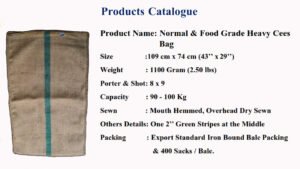
Final Answer: Container Capacity Summary
In the Bangladesh jute industry, understanding container capacity is not just about numbers; it is about achieving the right balance between efficiency, safety, and consistency. Based on practical export experience, the loading capacity of a 20ft container for 60 kg coffee bags can be summarized clearly. A minimum practical loading typically starts at around 300 bags, which reflects a conservative approach ensuring stability and ease of handling. Under standard commercial conditions, most exporters achieve between 305 to 310 bags per container, which represents an optimal balance between capacity and safety. With advanced loading techniques, high-quality bags, and proper control measures, maximum optimized loading can reach up to 320 bags. However, this upper limit requires precision and should only be attempted under controlled conditions.
What Determines the Final Capacity
Although these figures provide a useful benchmark, the actual number of bags that can be loaded depends on several critical factors. Bag quality plays a major role, as strong and uniform jute bags maintain their shape and allow tighter stacking. The loading method also directly influences capacity, where professional techniques such as cross-stacking and interlocking layers maximize space utilization. In addition, moisture control is essential, as excess moisture can cause bags to expand and reduce stacking efficiency. Finally, overall export discipline, including proper handling, trained labor, and adherence to safety limits, ensures that the container is loaded efficiently without compromising shipment integrity.
Why the Right Supplier Matters
Because of these variables, achieving higher container capacity is not simply a matter of increasing numbers; it requires expertise and consistency at every stage. This is why working with an experienced jute manufacturer Bangladesh is essential. A reliable supplier like The Golden Fiber Trade Center Ltd. (GFTCL) ensures consistent bag quality, proper specifications, and practical loading guidance that help exporters reach optimal results. Within the Bangladesh jute industry, such expertise makes a measurable difference in reducing costs, improving efficiency, and ensuring safe global shipments.
Ultimately, the goal is not just to maximize the number of bags but to achieve a balanced, efficient, and reliable export process. By combining quality products with professional practices, exporters can consistently reach optimal container capacity while maintaining the highest standards of safety and performance.
Strong Conversion: Why You Should Work with GFTCL
In the competitive landscape of the Bangladesh jute industry, the choice of supplier is not just a procurement decision it is a strategic factor that directly influences your export success. When sourcing coffee jute bags, your supplier affects shipment efficiency, product safety, freight cost, and even your brand reputation in global markets. A small inconsistency in bag quality or specification can reduce container capacity, increase risk of damage, and ultimately raise your cost per unit. Therefore, working with a reliable and experienced jute manufacturer Bangladesh is essential for achieving consistent and profitable export operations.
How GFTCL Adds Value Beyond Supply
At The Golden Fiber Trade Center Ltd. (GFTCL), we go beyond the role of a traditional supplier. We provide premium jute quality that ensures durability, breathability, and consistent performance under heavy stacking conditions. Our strict control over specifications guarantees uniform bag dimensions and weight, which helps exporters optimize container loading and reduce operational uncertainties. In addition, we provide complete export-ready documentation, ensuring smooth customs clearance and efficient shipment processing. As a trusted jute manufacturer Bangladesh, we also offer customization support, allowing buyers to align packaging with their brand identity and logistics requirements.
A Reliable Partner for Efficient Export Operations
Effective communication is another critical factor in international trade. At GFTCL, we maintain clear and professional communication throughout the entire process, from order confirmation to final shipment. This transparency helps buyers plan their operations with confidence and avoid unexpected delays. More importantly, we understand that packaging is only one part of the export chain. That is why we support our clients with practical insights on loading, handling, and quality consistency, ensuring that every shipment performs as expected.
More Than a Supplier — A Strategic Export Partner
Ultimately, GFTCL does not just supply jute bags, we support your entire export process. By combining the strength of the Bangladesh jute industry with our expertise and commitment to quality, we help buyers achieve better efficiency, lower costs, and stronger market positioning. When you work with GFTCL, you gain a partner who understands your business goals and works alongside you to deliver consistent results in global trade.
Here are 40 long-tail SEO FAQs with answers based on your full content. These are optimized for featured snippets, voice search, and Yoast SEO while naturally using your focus keywords like Bangladesh jute industry and jute manufacturer Bangladesh.
Frequently Asked Questions (FAQs)
1. How many 60 kg coffee bags can fit in a 20ft container?
A 20ft container can typically hold between 300 to 320 coffee bags, depending on loading technique, bag quality, and moisture conditions. Exporters in the Bangladesh jute industry usually target 305–310 bags for safe and efficient shipment.
2. What affects the number of coffee bags in a container?
The number depends on bag size, stacking method, moisture content, and fabric quality. A reliable jute manufacturer Bangladesh ensures consistent specifications that improve loading efficiency.
3. Why is bag quality important for container loading?
High-quality jute bags maintain shape under pressure, allowing tighter stacking. Poor-quality bags collapse, reducing container capacity and increasing freight cost.
4. What is the standard size of coffee jute bags?
The most common size is 44 × 26.5 inches, which supports efficient stacking and global export standards.
5. Why do coffee exporters prefer jute bags over plastic?
Jute bags are breathable, biodegradable, and reusable, making them ideal for preserving coffee quality and meeting sustainability requirements.
6. What is VOT treatment in jute bags?
VOT (Vegetable Oil Treatment) ensures food-grade compliance, making jute bags safe for coffee and agricultural products.
7. How does moisture affect coffee bag loading?
Moisture causes bags to expand and lose shape, which reduces stacking efficiency and increases the risk of mold.
8. What is the ideal loading method for coffee bags?
Professional exporters use cross-stacking and interlocking layers to maximize space and ensure stability.
9. Why is Bangladesh a leading jute supplier?
The Bangladesh jute industry offers high-quality raw materials, skilled manufacturing, and strong export infrastructure.
10. What are the benefits of sourcing from a jute manufacturer Bangladesh?
Buyers get consistent quality, competitive pricing, customization, and reliable export support.
11. How does jute help in sustainable packaging?
Jute is eco-friendly, biodegradable, and reusable, making it a perfect alternative to plastic packaging.
12. What is hessian cloth in jute bags?
Hessian is a lightweight jute fabric used for coffee bags due to its strength and breathability.
13. What is the typical weight of a jute coffee bag?
A standard jute coffee bag weighs approximately 2 lbs (around 0.9 kg).
14. Why is stitching quality important in jute bags?
Strong stitching ensures bags can handle heavy loads without tearing or deforming.
15. What happens if bag sizes are inconsistent?
Inconsistent sizes create gaps during stacking, reducing container capacity and efficiency.
16. How can exporters reduce freight cost per bag?
By increasing container capacity through better bag quality and efficient loading methods.
17. What is the difference between floor loading and pallet loading?
Floor loading maximizes capacity, while pallet loading improves handling but reduces total bag count.
18. Why do coffee exporters use breathable packaging?
Coffee beans need airflow to prevent moisture buildup and maintain quality during transit.
19. What customization options are available in jute bags?
Options include logo printing, size adjustment, fabric variation, color options, and stitching design.
20. How does GFTCL ensure consistent quality?
Through raw material selection, production monitoring, in-line inspection, and final quality checks.
21. What documents are required for jute bag export?
Key documents include commercial invoice, packing list, bill of lading, and certificate of origin.
22. Why is Bangladesh jute industry important for coffee exporters?
It provides reliable, sustainable, and high-quality packaging solutions for global coffee trade.
23. How does bag compression affect container loading?
High-quality bags compress evenly, allowing better stacking, while low-quality bags collapse and create gaps.
24. What GSM options are available for jute bags?
Different GSM levels are available depending on required strength and application.
25. Why do global buyers prefer Bangladesh jute exporters?
Because of quality consistency, competitive pricing, and strong export reliability.
26. How can exporters avoid container loading mistakes?
By ensuring uniform bag size, proper moisture control, skilled labor, and quality materials.
27. What is the ideal stacking pattern for maximum capacity?
Alternating cross-layer stacking with interlocking ensures maximum efficiency and stability.
28. How does jute support ESG goals?
Jute helps companies meet environmental, social, and governance (ESG) commitments through sustainable packaging.
29. What industries use jute bags besides coffee?
Jute bags are used for cocoa, grains, spices, retail packaging, and shopping bags.
30. How does GFTCL support export efficiency?
By providing high-quality bags, loading guidance, and complete export documentation support.
31. What is the maximum safe weight for a 20ft container?
Typically around 19–21 metric tons, depending on regulations and cargo type.
32. Why is uniform bag weight important?
It ensures accurate shipment calculations and avoids exceeding weight limits.
33. What is the role of weaving quality in jute bags?
Proper weaving ensures strength, durability, and breathability.
34. How does poor loading reduce container capacity?
Random stacking creates gaps, leading to lower bag count and inefficient use of space.
35. What are the risks of overloading containers?
Overloading can cause safety issues, port rejection, and shipment delays.
36. Why is Bangladesh a hub for jute manufacturing?
Due to abundant raw jute supply, skilled workforce, and export experience.
37. How does branding on jute bags help exporters?
It improves product identity, traceability, and market visibility.
38. What makes GFTCL different from other suppliers?
GFTCL focuses on export performance, consistency, and long-term partnership, not just product supply.
39. How can buyers ensure they choose the right jute supplier?
By checking quality standards, certifications, experience, and export support capabilities.
40. Why is sustainable jute packaging the future?
Because it reduces pollution, meets global regulations, and aligns with consumer demand for eco-friendly products.
Contact Info:
Get in touch with us today for detailed information about our jute products and export services.
For Raw & Processed Jute Inquiries: +880 1750-128381
For Sacking, Hessian & Yarn Inquiries: +880 1750-128388
WhatsApp: +8801711561252
Email: info@simuragroup.com
Telephone: +88028713301-04
Office Address: 109 Masjid Road, Banani, Dhaka, Bangladesh
Reference:
- The official website of the Golden Fibre Trade Centre LTD. (GFTCL) and its listing on the BJGEA Member List provide the primary credentials for government-vetted jute exports from Bangladesh (Link).
- For a strategic academic perspective on the sector’s evolution, the book “The Jute of Bangladesh: Way Forward” by M. Z. Mamun is an essential resource for understanding industrial challenges and growth (Link).
- Global standards and regulatory frameworks are established by organizations like the International Jute Study Group (IJSG) and the FAO, which define the technical and policy landscape (Link).
- Quality assurance and factory audits for the industry are managed by global inspection leaders such as Bureau Veritas and SGS Bangladesh to ensure international compliance (Link).
- Detailed export procedures and technical fiber profiles are maintained by the Bangladesh Trade Portal, the EPB, and the Bangladesh Jute Research Institute (BJRI)