
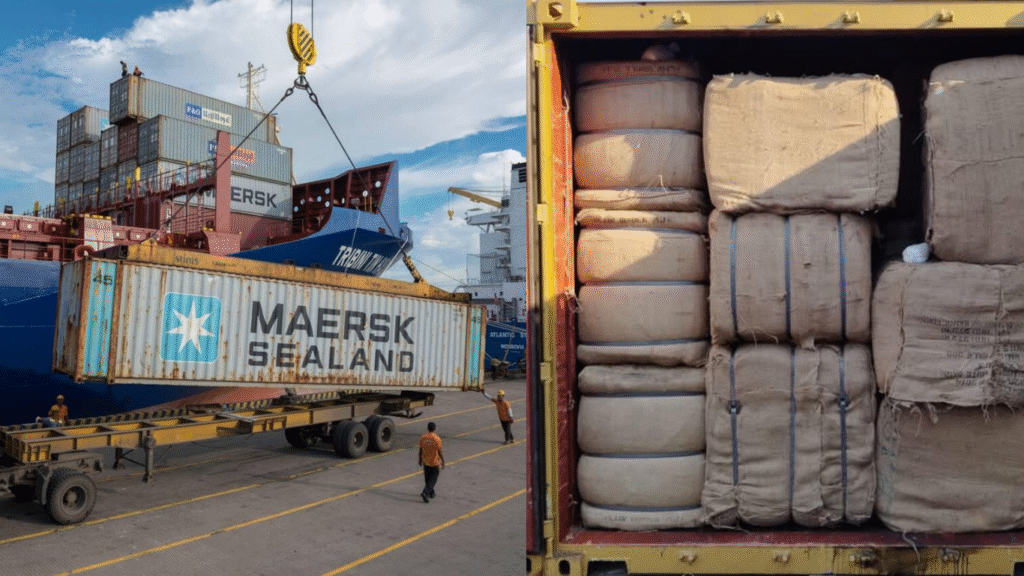
Bangladesh is globally recognized as the heart of the jute industry, supplying premium-quality jute bags, sacking bags, hessian cloth, jute yarn, and jute goods to international markets. If you are exploring Jute bag Import from Bangladesh, you’ll find the country is a top provider. As global demand for eco-friendly, biodegradable packaging continues to grow, many importers are turning to Bangladesh for reliable and cost-effective jute solutions. This Country one of the world’s leading suppliers of high-quality jute products. Thanks to its natural advantages, fertile river basins, and decades of manufacturing expertise, Bangladesh supplies premium jute bags, sacking bags, hessian cloth, burlap bags, jute yarn and twine to international markets. If you are considering Jute bag Import from Bangladesh, it’s clear why the country is such a reliable and cost-effective source. As global demand for eco-friendly and biodegradable packaging continues to grow, more importers are choosing Bangladesh as a reliable and cost-effective source for jute solutions.
Uses of Jute Bags
Jute bags from Bangladesh are widely used for packaging and transporting agricultural and industrial commodities such as coffee, cocoa, grains, rice, wheat, sugar, cashew nuts, and other food crops. The natural breathability of jute fiber helps control moisture, preserve product quality, and support long-distance transportation, making jute an ideal packaging material for global trade. The first step in importing jute bags from Bangladesh is selecting a reliable manufacturer and exporter. Experienced suppliers follow international quality standards and offer customization based on buyer requirements.
Leading Manufacturer and Exporter of Jute Products from Bangladesh
The Golden Fibre Trade Centre Ltd. (GFTCL) is a leading manufacturer and exporter of jute products from Bangladesh, committed to serving global buyers with a strong focus on African markets. The company supplies export-grade jute bags, Hessian cloth, hessian bags, jute yarn, raw jute, and semi-processed jute. Next, buyers must clearly define product specifications. Bangladesh manufactures a wide range of jute bags, including Binola, Twill (B-Twill and L-Twill), CEES, DW FB Sacking Bags, coffee and cocoa sacks, and Hessian Bags.
Key specifications such as size, weight, weave type, stitching, and treatment (VOT or MOT) should be finalized before placing an order to ensure smooth execution. Pricing and logistics are also crucial factors. Jute bags are typically exported from Bangladesh under FOB, CIF, or CFR terms, depending on the buyer’s preference. With established shipping routes and experienced freight handling, Bangladesh offers competitive logistics solutions to Africa, the Middle East, Europe, and Asia. Proper documentation is essential for a successful import process. Standard export documents include a commercial invoice, packing list, bill of lading, certificate of origin, and inspection reports when required. Reputable exporters assist buyers in completing all documentation accurately and on time.
Import Jute Bags from Bangladesh Step by Step
By following these steps, importing jute bags from Bangladesh becomes a safe, efficient, and profitable decision. With its strong supply base, skilled manufacturing, and commitment to sustainability, Bangladesh continues to lead the global jute trade and remains a trusted sourcing destination for buyers worldwide. The Golden Fibre Trade Centre Ltd. (GFTCL) is a leading exporter and manufacturer of jute products from Bangladesh, with a strong vision to serve buyers worldwide, especially across African markets This complete guide explains how to import jute bags from Bangladesh step by step, covering manufacturers, product types, quality standards, logistics, pricing, and documentation.
Why Import Jute Bags from Bangladesh?
Bangladesh holds a unique and highly significant position in the global jute supply chain due to its natural advantages and decades of manufacturing expertise. Benefiting from abundant natural resources and strong industrial capabilities, Bangladesh continues to dominate the global jute value chain. Owing to its fertile land, favorable climate, and centuries-old production tradition, the country is widely known as the land of the “Golden Fibre.” A substantial share of the jute fiber used worldwide is produced and exported from Bangladesh.
Rich Geography for kenaf cultivation
The country’s river-rich geography, particularly the Padma, Jamuna, and Meghna river basins. Creates ideal conditions for jute cultivation. As a result, Bangladeshi jute fiber is long, strong, smooth, and highly durable, making it perfectly suited for producing international-standard jute bags, sacking bags, hessian cloth, and jute yarn. Beyond raw material availability, Bangladesh possesses deep industrial expertise. The country is home to hundreds of jute mills, modern processing facilities, and a highly skilled workforce. This strong manufacturing base enables Bangladesh to consistently produce a wide range of export-grade jute products, including jute bags, including Binola, Twill (B-Twill and L-Twill), CEES, DW FB Sacking Bags, coffee and cocoa sacks, and Hessian Bags meeting diverse global requirements.
As the world increasingly shifts toward sustainable and eco-friendly packaging alternatives to plastic, demand for jute bags is growing rapidly. Jute is fully biodegradable, breathable, and reusable, making it highly effective for storing and transporting food grains, coffee, cocoa, cashew nuts, cereals, and other agricultural commodities. Moreover, competitive pricing, a reliable supply chain, and long-standing export experience have positioned Bangladesh as the preferred sourcing destination for jute products across Africa, the Middle East, Europe, and Asia. Companies such as The Golden Fibre Trade Centre Ltd. (GFTCL) play a vital role in this global supply network by exporting high-quality jute bags and jute products worldwide while maintaining strict international standards.
Bangladesh, The Home of Golden Fibre
Bangladesh is globally recognized as one of the leading producers of high-quality raw jute, widely known as the “Golden Fibre.” Thanks to its fertile river basins, favorable climate, and centuries-old cultivation heritage, Bangladesh holds a unique and dominant position in the global jute supply chain.The country’s river-rich delta—particularly the Padma, Jamuna, and Meghna river basins. Creates ideal natural conditions for jute cultivation. These regions provide nutrient-rich alluvial soil, adequate rainfall, and warm temperatures, all of which contribute to the growth of superior-quality jute fiber.
As a result, Bangladeshi jute is long, strong, smooth, and highly durable, making it perfectly suited for international-grade jute products. This premium raw jute forms the foundation for manufacturing a wide range of jute products, including sacking bags, hessian cloth, burlap bags, jute yarn, and jute twine. These products are widely used for packaging and transporting agricultural commodities such as coffee, cocoa, grains, rice, wheat, sugar, and other food crops.
Natural Advantages for Cultivating Jute
Beyond its natural advantages, Bangladesh benefits from decades of industrial expertise in jute processing and manufacturing. The country is home to hundreds of jute mills, modern processing facilities, and a highly skilled workforce. This strong industrial base enables Bangladesh to consistently produce export-grade jute products such as Binola, Twill, CEES, DW FB, coffee and cocoa sacks, Hessian Bags, and jute yarn, meeting the diverse requirements of global markets. As the world increasingly shifts away from plastic toward sustainable packaging solutions, demand for jute fiber continues to rise.
Jute is 100% biodegradable, reusable, breathable, and environmentally friendly, making it an ideal packaging material for both food-grade and industrial applications. Its natural ventilation properties help reduce moisture buildup, protect product quality, and support long-distance transportation. Thanks to competitive pricing, reliable supply chains, and long-standing export experience, Bangladesh remains the preferred sourcing destination for jute products across Africa, the Middle East, Europe, and Asia. Today, the country continues to uphold its legacy as the home of the Golden Fibre, playing a vital role in promoting sustainable trade and a greener global economy.
Availability of Premium Raw Jute
Bangladesh is widely recognized as one of the world’s leading producers of premium-quality raw jute, commonly known as the “Golden Fibre.” Thanks to its favorable natural conditions and long-standing agricultural tradition, the country supplies a significant portion of the jute fiber used in global markets. Bangladeshi raw jute is highly valued for its strength, length, smooth texture, and durability, making it ideal for a wide range of industrial and packaging applications. The country’s vast river-rich delta—particularly the Padma, Jamuna, and Meghna river basins—creates optimal conditions for jute cultivation. Fertile alluvial soil, adequate rainfall, and suitable temperatures allow jute plants to grow naturally and develop superior fiber quality. As a result, raw jute produced in Bangladesh meets international standards and consistently performs well in demanding export applications.
This high-quality raw jute serves as the foundation for manufacturing essential jute products such as sacking bags, hessian cloth, burlap bags, jute yarn, and jute twine. Sacking bags and hessian cloth are widely used for storing and transporting agricultural commodities due to their high tensile strength and natural breathability. Burlap bags offer reliable packaging solutions for grains, coffee, cocoa, and other bulk products, while jute yarn and twine are essential inputs for rope making, carpet backing, handicrafts, and industrial uses. One of Bangladesh’s key advantages is the continuous availability of raw jute throughout the year. The close integration between farmers, traders, and processing units ensures a stable and uninterrupted supply chain. This reduces production lead times, maintains cost efficiency, and enables manufacturers to fulfill large export orders consistently. For global buyers, this reliability makes Bangladesh a trusted sourcing destination for raw jute and jute-based products.
As global industries increasingly move away from synthetic materials, demand for natural and sustainable fibers continues to grow. Raw jute stands out as a 100% biodegradable, renewable, and environmentally friendly fiber, supporting sustainable packaging and green industrial practices. Its natural ventilation properties help protect stored goods from moisture damage and spoilage, particularly in food-grade and agricultural applications. With its abundant availability of premium raw jute, deep agricultural expertise, and strong processing infrastructure, Bangladesh remains at the forefront of the global jute industry. The country continues to play a critical role in supplying high-quality raw jute that supports sustainable trade, eco-friendly packaging, and responsible global supply chains.
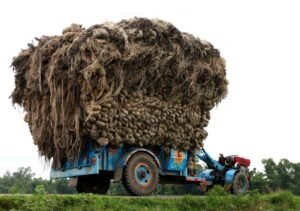
An Ideal Ecosystem for Jute Bag Manufacturers in Bangladesh.
Bangladesh offers a complete and well-integrated ecosystem for jute bag manufacturing, making it one of the most reliable sourcing destinations globally. From raw jute cultivation to finished export-grade jute bags, the country maintains a strong and uninterrupted value chain that supports large-scale, consistent production. This ecosystem includes raw jute, semi-processed jute, sacking cloth, hessian fabric, jute yarn, and finished jute bags. Supported by fertile river basins, favorable climate, and generations of expertise, Bangladesh produces high-quality jute fiber that meets international standards.
With hundreds of jute bag manufacturers across the country, global buyers can easily source a wide range of products such as standard sacking bags, Binola bags, coffee and cocoa sacks, custom-made jute bags, and printed or branded jute packaging. Manufacturers offer flexibility in size, weight, weave, stitching, and treatment (VOT/MOT), allowing buyers to meet specific market requirements. The Golden Fibre Trade Centre Ltd. (GFTCL) is a vital part of this ecosystem. The company combines traditional jute craftsmanship with modern export-grade quality control systems to consistently supply international-standard jute bags and jute products to global markets.
Competitive Pricing & Export Experience
Bangladesh is globally recognized as a highly competitive and reliable source for jute product exports. With its strong manufacturing base, skilled workforce, and long-standing industry expertise, the country offers significant advantages to international buyers seeking high-quality jute packaging solutions. Over the decades, Bangladesh has consistently met global demand for jute bags, sacking bags, hessian cloth, and other jute products. One of the key strengths of jute exports from Bangladesh is competitive factory pricing. The availability of raw jute within the country, combined with an efficient production ecosystem, allows manufacturers to keep production costs relatively low.
As a result, buyers can source export-grade jute bags at attractive prices without compromising on quality. Another major advantage is the presence of a skilled and experienced workforce. Generations of workers have been involved in jute cultivation, processing, weaving, and finishing. This deep-rooted expertise ensures consistent quality, precise craftsmanship, and reliable production across different product categories. In addition, Bangladesh has decades of export experience, making exporters well-versed in international trade practices, shipping procedures, and documentation requirements.
jute industry follows international quality standards
Bangladesh’s jute industry strictly follows international quality standards and compliance requirements. Jute bags used for food and agricultural packaging are produced with appropriate treatments such as VOT or MOT, ensuring safety, durability, and suitability for global markets. Quality control systems and inspection processes further strengthen buyer confidence. Compared to synthetic packaging, jute bags from Bangladesh offer several long-term advantages. They provide lower overall cost over time, thanks to their durability and reusability. Bangladesh also has the capacity to handle large-scale bulk exports, making it an ideal sourcing destination for high-volume importers.
Moreover, Bangladeshi jute products consistently meet international quality benchmarks, ensuring reliable performance during storage and transportation. As demand for breathable and biodegradable packaging continues to grow worldwide, exports of jute products from Bangladesh are expanding steadily across global markets. These combined advantages have made Bangladesh a trusted and dependable solution for importers seeking sustainable, cost-effective, and export-ready jute bags and packaging products. Bangladesh is one of the world’s leading producers and exporters of jute and jute-based products. Thanks to its natural resources, skilled workforce, and a complete jute value chain, the country has become a reliable sourcing destination for international buyers. Understanding the different categories of jute products available from Bangladesh helps importers select the right solutions for their specific business needs.
Raw Jute: The Foundation of the Jute Industry
Raw jute is the primary raw material of the jute industry and is exported mainly in graded bundles. It is used for spinning and further industrial processing. Raw jute is the backbone of the jute industry and remains one of the most essential natural fibers in global trade. As a primary raw material, it is harvested, processed, and exported in carefully graded bundles to ensure consistency and quality for international buyers. These bundles are classified based on fiber length, strength, color, and cleanliness, allowing manufacturers to select the most suitable grade for their production needs. Raw jute plays a crucial role in the initial stages of manufacturing, especially in spinning mills where it is converted into yarn. This yarn then becomes the base for a wide range of products, including hessian cloth, sacking materials, ropes, and diversified jute goods. Because of its versatility, raw jute supports multiple industries and remains a reliable input for large-scale production processes.

Key Industrial Buyers of Raw Jute
Raw jute serves a broad spectrum of industries that depend on natural fiber for durability and performance. Spinning mills are among the primary buyers, as they process raw jute into yarn used in weaving and textile production. Textile manufacturers also rely heavily on raw jute to produce fabrics such as hessian and sacking, which are widely used in packaging and agriculture. In addition, rope and twine producers utilize raw jute because of its natural strength and flexibility, making it ideal for binding, securing, and industrial applications. Industrial raw material suppliers further distribute raw jute to various sectors, ensuring a continuous supply chain for businesses that require eco-friendly and high-performance materials.
Bangladeshi raw jute holds a strong reputation in the global market due to its superior physical characteristics and consistent quality. It is widely recognized for its long fiber length, high tensile strength, smooth texture, and natural durability. These qualities significantly improve the efficiency of spinning and weaving processes while enhancing the strength and appearance of finished products. As a result, manufacturers can produce premium-quality yarn, strong fabrics, and durable jute goods that meet international standards. The reliability of Bangladeshi jute has made it a preferred choice for global buyers who demand consistent performance and quality in every shipment.
A Strategic Choice for Global Buyers
In today’s market, sustainability is no longer optional—it is a key requirement for businesses worldwide. Raw jute offers a natural solution, as it is biodegradable, renewable, and environmentally friendly. Unlike synthetic materials, jute decomposes naturally without harming the environment, making it an ideal alternative for eco-conscious industries. This has significantly increased global demand for jute products, especially in packaging, agriculture, and industrial applications. As countries move toward reducing plastic usage and adopting greener solutions, the demand for high-quality raw jute continues to grow steadily.
Raw jute from Bangladesh is not just a material. It is a strategic advantage for businesses seeking quality, sustainability, and long-term reliability. Its wide range of applications, combined with its eco-friendly nature, makes it a valuable resource across multiple industries. From traditional uses in packaging and textiles to modern applications in diversified jute products, raw jute continues to prove its versatility and importance in global trade. For buyers looking to secure consistent supply, superior quality, and sustainable solutions, sourcing raw jute from Bangladesh remains one of the most effective and forward-thinking decisions.
Semi-Processed Jute
Semi-processed jute includes fiber that has undergone initial processing and is ready for direct industrial use. This category is ideal for factories seeking time-efficient production.
Includes:
- Cut-to-length jute
- Carded jute
- Sliver jute
- Jute rolls
These forms of jute fiber reduce processing time and cost for manufacturers while ensuring consistent fiber quality.
 Jute Yarn & Twine
are among Bangladesh’s most important export items and are widely used across multiple industries.
Products Include:
- Jute yarn
- Jute twine
- Jute cordage
- Jute rope
Applications:
- Agriculture
- Handicrafts
- Industrial packaging
- Shipping and logistics
These products are strong, eco-friendly, and long-lasting, which makes them highly popular in global markets.
Sacking Cloth & Hessian Cloth

Sacking cloth and Hessian Fabric serve as the base materials for producing various jute bags.
Common Uses:
- Coffee sacks
- Cocoa sacks
- Cashew sacks
- Grain storage
- Fertilizer packaging
Sacking cloth is heavier and more durable, while hessian cloth is lighter and often used for food-grade and decorative applications.
Finished Jute Bags (Most Imported Category)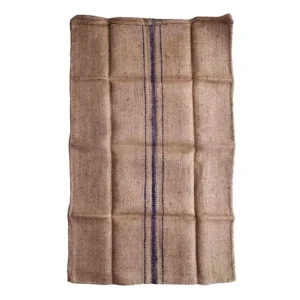
Finished jute bags represent the most widely imported category of jute products from Bangladesh due to their versatility and sustainability.
Popular Jute Bags Include:
- Sacking bags
- Hessian bags
- Burlap bags
- Gunny bags
- Coffee sacks
- Cocoa bags
- Jute shopping bags
- Jute tote bags
These bags are extensively used for safe storage and transportation of agricultural and industrial commodities.
Uses of Jute Sacking Bags
Jute sacking bags are commonly used for packaging and transporting:
- Coffee
- Cocoa
- Cashew
- Rice
- Wheat
- Maize
- Sugar
- Fertilizers
Their breathable structure allows natural airflow, reducing moisture buildup during long-distance transport and storage.


Growing Demand for Hessian & Shopping Jute Bags
Hessian bags and cloth are increasingly used for food-grade storage (VOT-treated), decorative purposes, and retail packaging. At the same time, rising environmental awareness has significantly boosted demand for:
- Jute tote bags
- Jute grocery bags
- Custom-printed jute bags
These eco-friendly products are especially popular in European and urban African markets.
With its diverse product range, reliable supply chain, and export expertise, Bangladesh continues to maintain its position as one of the world’s most trusted sources of jute and jute-based products.
How to Choose the Right Jute Bag Manufacturer in Bangladesh
Selecting the right jute bag manufacturer is a critical decision for any importer. The right supplier directly impacts product quality, on-time delivery, cost efficiency, and long-term business success. A reliable manufacturer not only delivers export-grade products but also ensures consistency, compliance, and smooth international trade operations.
Key Evaluation Criteria
01. Factory Capability:
When choosing a jute bag manufacturer, evaluating factory capability is essential. A strong manufacturing facility can produce large volumes consistently, ensuring bulk orders and uninterrupted shipments. Modern machinery, sufficient production lines, and skilled labor enable timely order completion while maintaining stable quality. For international buyers, strong factory capacity reduces supply risk and increases overall reliability.
02. Export Experience:
Export experience is one of the most important strengths of a manufacturer. An experienced exporter understands international trade regulations, shipping procedures, documentation, Incoterms, and customs clearance. This expertise ensures smooth transactions and minimizes risks for importers. Manufacturers with long export histories can also better adapt products to the requirements of different global markets.
03. Quality Control System:
Quality control is critical in jute bag manufacturing, especially for packaging coffee, cocoa, food grains, and agricultural products. A reliable manufacturer follows a structured QC system that monitors quality at every stage from raw material selection to production and final inspection. Strong quality control reduces defects, ensures consistency, and builds buyer confidence in international markets.
04. Certifications & Compliance:
International certification and compliance are essential for exporting jute bags. Certifications such as ISO, environmental compliance, social compliance, and valid export licenses demonstrate a manufacturer’s credibility. These certifications assure buyers that products meet international standards and are produced following ethical, environmental, and labor regulations.
05. Customization Capability:
Every buyer and market has unique requirements. A good jute bag manufacturer must offer customization options such as size, weight, weave type, stitching, printing, branding, logos, and special treatments like VOT or MOT. Customization allows buyers to source market-specific solutions and supports long-term business partnerships.
Additional Factors Buyers Must Consider
01. Source and Quality of Raw Jute:
The foundation of a high-quality jute bag lies in its raw material. Buyers should ensure that the manufacturer uses premium-grade raw jute and follows proper selection standards. High-quality raw jute ensures superior strength, durability, weave consistency, and long service life- key requirements for international buyers.
02. Production Consistency & Lead Time:
Timely delivery is crucial in international trade. A reliable manufacturer maintains consistent production capacity and realistic lead times, allowing buyers to plan their supply chains accurately. Experienced manufacturers can meet deadlines even during peak seasons.
03. Bulk Order Handling Capability:
Bulk orders are common in export business. A competent manufacturer must be capable of handling large-scale orders and managing multiple shipments simultaneously. This capability allows importers to place long-term and high-volume orders with confidence.
04. Packaging & Labeling Facilities:
Proper packaging and labeling are essential for international shipments. A good manufacturer provides secure baling, palletization, and custom labeling to minimize damage during transit and ensure smooth customs clearance at destination ports.
05. Food-Grade Treatment Facilities (VOT / MOT):
Food commodities such as coffee, cocoa, grains, and seeds require special treatments. Manufacturers should have the capability to apply VOT (Vegetable Oil Treatment) for food-grade packaging and MOT (Mineral Oil Treatment) for industrial use. These treatments ensure food safety and compliance with international packaging standards.
06. Inspection & Third-Party Survey Support:
Third-party inspection is a key trust factor for international buyers. Manufacturers willing to accept inspections from SGS, BV, or other recognized agencies provide transparency, quality assurance, and reduced risk for buyers.
07. Communication & Response Time:
Fast and professional communication is the backbone of successful export relationships. Prompt responses via email, WhatsApp, or phone help buyers make informed decisions and avoid misunderstandings.
08. After-Sales Support:
A reliable manufacturer takes responsibility even after delivery. Strong after-sales support ensures quick resolution of any issues and builds long-term buyer trust.
09. Market & Product Knowledge:
A skilled manufacturer understands international markets, commodity-specific packaging needs, and product applications. This knowledge helps buyers select the right products for their target markets.
10. Long-Term Business Vision:
Trusted manufacturers focus on building long-term partnerships rather than one-time sales. This approach creates stable, profitable, and sustainable business relationships based on mutual growth and trust.
A good jute bag manufacturer is not just a producer but a strategic supply partner. By evaluating all the above criteria, buyers can confidently import jute bags from Bangladesh in a way that is secure, profitable, and sustainable.
Why Choose GFTCL?
In today’s highly competitive global market, selecting the right jute product supplier is critically important, as it directly affects product quality, timely delivery, and long-term business success. With the growing worldwide demand for eco-friendly and biodegradable packaging, Bangladesh, widely known as the land of the “Golden Fibre”, continues to hold a leading position as a source of premium-quality jute products.
The Golden Fibre Trade Centre Ltd. (GFTCL) is a trusted exporter and manufacturer of jute products, offering reliable jute packaging solutions to international buyers through industry experience, export-grade quality control, and modern production capabilities. GFTCL serves as a dependable trader and supplier-exporter of raw jute, processed jute, jute bags, and jute cloth. The Golden Fibre Trade Centre Ltd. (GFTCL) offers and The key reasons why GFTCL is a reliable partner are outlined below:
1. Direct Factory Sourcing
The Golden Fibre Trade Centre Ltd. (GFTCL) offers direct factory sourcing, ensuring buyers work straight with the production origin rather than intermediaries or trading layers. This approach provides full transparency in pricing, production capacity, raw material selection, and manufacturing processes. By sourcing directly from the factory, buyers gain better cost control, faster communication, and greater flexibility in order customization. It also allows real-time coordination on production schedules, quality requirements, and shipment planning. Direct factory sourcing minimizes risks related to supply delays, miscommunication, and inconsistent quality that often arise when dealing with multiple middlemen. For international buyers, especially those importing in bulk or on long-term contracts, this model ensures reliability, accountability, and traceability throughout the supply chain. GFTCL’s direct factory access strengthens buyer confidence while enabling competitive pricing without compromising quality.
2. Export-Grade Quality Assurance
GFTCL maintains strict export-grade quality standards across all jute products, ensuring consistency, durability, and compliance with international buyer expectations. Quality control begins at the raw jute selection stage and continues through weaving, cutting, stitching, treatment, and final packing. Each production batch undergoes systematic inspection to verify weight accuracy, fabric strength, weave uniformity, stitching quality, and finish. This rigorous quality assurance process ensures that every shipment meets the required specifications for agricultural, food-grade, or industrial use. Export-grade quality is essential for long-distance transportation, stacking, and storage under varying climatic conditions. By following structured QC protocols, GFTCL minimizes defects, reduces claims, and protects buyer investments. This commitment to quality has helped establish long-term trust with global buyers and reinforces Bangladesh’s reputation as a dependable source of premium jute products.
3. Custom Size, Weight & Specifications
GFTCL provides extensive customization options to meet the diverse needs of international markets. Buyers can specify bag dimensions, weight, fabric density, weave type, stitching pattern, mouth finishing, printing, and bale packing according to their operational requirements. Different commodities demand different packaging solutions, and GFTCL understands that a one-size-fits-all approach does not work in global trade. Whether buyers need lightweight bags for grains, heavy-duty sacks for cotton or fertilizer, or food-grade coffee and cocoa bags, customization ensures optimal performance. This flexibility allows importers to comply with local regulations, logistics constraints, and buyer preferences in their respective markets. Customized solutions also help buyers differentiate their products, enhance branding, and improve supply-chain efficiency. GFTCL’s customization capability supports both small trial orders and large-scale commercial contracts.
4. VOT / MOT Treatment Facilities
GFTCL offers both VOT (Vegetable Oil Treatment) and MOT (Mineral Oil Treatment) facilities to meet food-grade and industrial packaging requirements. VOT-treated jute bags are widely used for coffee, cocoa, grains, and other food-contact commodities, as this treatment prevents fiber shedding and ensures compliance with international food safety standards. MOT-treated bags, on the other hand, are suitable for industrial applications such as fertilizer, sand, minerals, and animal feed. These treatments enhance bag performance by improving fiber stability and reducing contamination risks. Having in-house treatment capability allows GFTCL to maintain consistent quality, shorten lead times, and meet buyer-specific compliance needs. This capability is particularly important for buyers exporting to regulated markets where packaging safety and hygiene are mandatory.
5. Quality Control & Third-Party Inspection Support
GFTCL supports both internal quality checks and third-party inspections to ensure complete transparency and buyer confidence. Buyers are welcome to appoint internationally recognized inspection agencies such as SGS, BV, or others to verify quality, quantity, and packing before shipment. This openness demonstrates GFTCL’s commitment to accountability and compliance. Third-party inspections reduce buyer risk, facilitate smoother customs clearance, and provide documented assurance of product conformity. Internally, GFTCL maintains detailed inspection records for raw materials, in-process production, and finished goods. Combining internal QC with independent inspection creates a robust quality framework that aligns with global trade best practices.

6. Reliable Bulk Production Capacity
GFTCL has the infrastructure, workforce, and operational planning required to handle large-volume orders efficiently. Bulk production capacity is critical for international buyers supplying national markets, government tenders, or large agricultural programs. GFTCL’s production planning ensures consistent output even during peak seasons. The ability to manage large quantities while maintaining uniform quality allows buyers to place repeat orders with confidence. Bulk capacity also supports phased shipments, enabling buyers to manage inventory and logistics more effectively. This reliability positions GFTCL as a dependable long-term supplier rather than a short-term vendor.
7. Timely Delivery & Lead-Time Management
Timely delivery is essential in export operations, and GFTCL prioritizes realistic lead-time planning and schedule adherence. Production timelines are communicated clearly from order confirmation, allowing buyers to plan shipping, warehousing, and distribution accurately. GFTCL’s experience in export logistics helps avoid delays caused by raw material shortages, seasonal congestion, or port challenges. Consistent on-time delivery reduces buyer operational risk and strengthens trust. For repeat buyers, predictable lead times support long-term supply-chain stability.
8. Global Shipment & Logistics Support
GFTCL provides comprehensive logistics support, assisting buyers with documentation, packing methods, container optimization, and shipment coordination. The company works closely with freight forwarders and shipping agents to ensure smooth export execution. Buyers benefit from proper bale packing, container stuffing guidance, and export documentation compliance. This support reduces errors, minimizes delays, and ensures cost-efficient transportation. GFTCL’s logistics expertise is especially valuable for buyers new to importing from Bangladesh.
9. Professional Communication & Buyer Support
Clear and responsive communication is a core strength of GFTCL. Buyers receive prompt responses via email, phone, or messaging platforms, ensuring smooth coordination throughout the order cycle. Clear communication reduces misunderstandings related to specifications, timelines, and documentation. GFTCL maintains a professional, solution-oriented approach, which is essential in international trade where time zones and cultural differences exist. Strong communication builds trust and simplifies decision-making for buyers.
10. Long-Term Partnership Approach
GFTCL focuses on building long-term partnerships rather than one-time transactions. The company aims to grow alongside its buyers by providing consistent quality, reliable supply, and continuous support. This partnership mindset encourages repeat business, collaborative planning, and mutual growth. Buyers benefit from stability, priority production scheduling, and supplier commitment. GFTCL’s long-term approach supports sustainable trade relationships that create value beyond individual orders. The Golden Fibre Trade Centre Ltd. (GFTCL) provides a reliable and comprehensive jute sourcing solution for international buyers, ensuring export-grade quality, customization, and full compliance with international standards. With strong production capacity, efficient logistics support, and a long-term partnership approach, GFTCL supplies sustainable jute products worldwide for agricultural, food, and industrial applications.
Step-by-Step Process to Import Jute Bags from Bangladesh
Importing jute bags from Bangladesh is a structured and straightforward process when handled with an experienced exporter. As the world’s leading source of jute products, Bangladesh offers reliable supply, competitive pricing, and export-grade quality. Working with an established exporter like The Golden Fibre Trade Centre Ltd. (GFTCL) ensures a smooth import experience from inquiry to delivery. Below is a clear step-by-step guide to help global buyers understand the complete import process.
Step 1 – Define Your Requirements Clearly
The first and most important step is to define your exact product requirements. Clear specifications help avoid misunderstandings and ensure accurate pricing and production.
Buyers should specify:
- Type of jute bag (sacking bag, hessian bag, coffee sack, binola bag, etc.)
- Bag size and weight (dimensions, GSM, load capacity)
- Quantity (trial order or bulk shipment)
- Printing or branding requirements (logo, text, markings)
- Treatment requirement (VOT for food-grade or MOT for industrial use)
- Destination country and port
Providing detailed requirements at this stage allows the exporter to offer the most suitable solution and realistic lead time.
Step 2 – Request a Quotation
Once specifications are finalized, buyers should request a formal quotation from the exporter. GFTCL prepares quotations based on buyer needs, raw material availability, and shipment terms.
The quotation typically includes:
- Price terms (FOB, CFR, or CIF)
- Unit price and total order value
Estimated production timeline - Packing and shipment details
Payment terms
Transparent pricing and clear terms help buyers compare costs and plan logistics efficiently.
Step 3 – Sample Development and Approval
Before moving into bulk production, samples are prepared and sent to the buyer for evaluation. Sample approval is a critical step in ensuring the product meets expectations.
Samples are checked for:
- Fabric quality and strength
- Accurate weight and GSM
- Stitching quality
- Bag dimensions
- Printing accuracy (if applicable)
Only after written or formal approval from the buyer does the exporter proceed to mass production, minimizing the risk of disputes.
Step 4 – Production and Quality Inspection
After sample approval, bulk production begins under strict quality control procedures. Experienced exporters follow standardized production processes to maintain consistency across the entire order.
During production and pre-shipment stages, inspections cover:
- GSM and fabric density
- Stitching strength and seam quality
- Bag dimensions and weight tolerance
- Treatment verification (VOT or MOT)
- Overall finish and packing condition
Buyers may also appoint third-party inspection agencies such as SGS or BV for additional assurance.
Step 5 – Packaging and Shipping
Once production and inspection are completed, jute bags are packed according to export standards. Proper packaging is essential to protect the bags during long-distance transportation. Standard shipping practices include:
- Export-grade bundle packing
- Moisture-protected bales
- Containerized sea freight (most common and cost-effective)
- Full Container Load (FCL) or Less than Container Load (LCL) based on quantity
GFTCL coordinates with freight forwarders to ensure safe and timely shipment to the destination port.
Step 6 – Export Documentation
Accurate documentation is crucial for smooth customs clearance at both origin and destination. GFTCL prepares and provides all required export documents in compliance with international trade regulations. Typical documents include:
- Commercial Invoice
- Packing List
- Bill of Lading
- Certificate of Origin
Phytosanitary Certificate (if required by the destination country) - Inspection Certificate (if applicable)
Complete and correct documentation helps buyers avoid delays, penalties, or customs issues.
By following this structured step-by-step process, importing jute bags from Bangladesh becomes efficient, transparent, and risk-free. Partnering with a reliable exporter like The Golden Fibre Trade Centre Ltd. (GFTCL) ensures buyers receive export-grade jute bags, timely delivery, and professional support throughout the transaction.
For global buyers seeking sustainable, durable, and cost-effective packaging solutions, Bangladesh remains the preferred sourcing destination—and GFTCL a trusted long-term partner.
Quality Standards & Treatments in Jute Packaging
Quality standards and proper treatment processes play a critical role in ensuring jute bags perform safely and effectively across different applications. In international trade, especially for agricultural, food-grade, and industrial commodities, buyers expect jute packaging that complies with hygiene, durability, and regulatory requirements. To meet these expectations, jute bags are treated using specific methods based on their intended use. The two most widely accepted treatments in the global jute industry are VOT (Vegetable Oil Treatment) and MOT (Mineral Oil Treatment).
Understanding these treatments helps buyers choose the right jute bags for their commodities while ensuring compliance with international standards.
VOT (Vegetable Oil Treatment)
Vegetable Oil Treatment (VOT) is specifically designed for food-grade jute packaging. This treatment involves applying food-safe vegetable oil to the jute fabric to stabilize the fibers and prevent contamination. VOT is widely recognized and accepted by international buyers, food authorities, and commodity boards.
Applications of VOT-Treated Jute Bags
VOT-treated jute bags are commonly used for:
- Coffee beans
- Cocoa beans
- Food grains (rice, wheat, maize, pulses)
- Other food-contact agricultural products
Why VOT is Important ?
Natural jute fibers can release loose fibers or dust during handling. VOT treatment binds the fibers together, reducing fiber shedding and ensuring the bag remains clean and safe for food contact. This makes VOT-treated bags ideal for long-distance transportation and extended storage.
Key Benefits of VOT Treatment
- Ensures food safety compliance
- Prevents fiber contamination
- Improves bag cleanliness and appearance
- Maintains breathability, preventing moisture buildup
- Accepted by major coffee and cocoa organizations worldwide
VOT-treated jute bags are particularly important for exports to markets with strict food safety regulations, such as Europe, North America, and parts of Africa. Using untreated or incorrectly treated bags for food commodities may result in shipment rejection or quality claims. Therefore, buyers dealing in food-grade exports strongly prefer VOT-treated jute packaging.
MOT (Mineral Oil Treatment)
Mineral Oil Treatment (MOT) is intended for industrial and non-food applications. This treatment uses mineral oil to enhance the strength, durability, and resistance of jute bags in demanding environments where food safety is not a concern.
Applications of MOT-Treated Jute Bags
MOT-treated jute bags are commonly used for:
- Fertilizers
- Industrial minerals
- Sand and construction materials
- Animal feed
- Other non-food bulk commodities
Why MOT Is Used ?
Industrial products often involve rough handling, heavy loads, and exposure to moisture or dust. MOT treatment strengthens the jute fibers, improves resistance to wear and tear, and increases the bag’s lifespan under tough conditions.
Key Benefits of MOT Treatment
- Enhanced durability and tensile strength
- Improved moisture resistance
- Better performance under heavy loads
- Cost-effective solution for industrial packaging
- Suitable for repeated handling and stacking
MOT-treated bags are not recommended for food-related products, as mineral oil does not meet food safety requirements. However, for industrial packaging, MOT remains a practical and widely used solution due to its performance and cost efficiency.
Importance of Choosing the Right Treatment
Selecting the correct treatment is essential for ensuring compliance, protecting goods, and avoiding commercial risks. Using VOT-treated bags for food commodities ensures safety and regulatory acceptance, while MOT-treated bags provide the strength and durability required for industrial use.
Experienced exporters clearly segregate production lines for VOT and MOT treatments to avoid cross-contamination. Buyers should always specify treatment requirements clearly at the inquiry stage to ensure correct production.
Quality Standards Beyond Treatment
In addition to VOT and MOT treatments, export-grade jute bags must meet strict quality standards, including:
- Accurate GSM and weight tolerance
- Uniform weave and stitching
- Proper dimension control
- Clean and secure export packaging
- Optional third-party inspection support
Maintaining these standards ensures consistent performance, smooth customs clearance, and buyer satisfaction.
Quality standards and proper treatment processes are fundamental to successful jute bag exports. VOT-treated jute bags ensure food safety for coffee, cocoa, and grains, while MOT-treated jute bags deliver strength and reliability for industrial and non-food applications. By choosing the correct treatment and working with experienced exporters who follow export-grade quality control, buyers can ensure safe transportation, regulatory compliance, and long-term value from jute packaging solutions.
Why Importers Choose Bangladesh for Jute Products ?
Bangladesh has firmly established itself as the world’s most trusted and preferred sourcing destination for jute and jute-based products. Global importers across Africa, the Middle East, Europe, and Asia consistently choose Bangladesh not by chance, but because of a proven combination of natural advantages, industrial capability, cost efficiency, and long-term trade reliability. The country’s dominance in the global jute industry is the result of decades of experience, strong supply-chain infrastructure, and an unmatched commitment to sustainable production.
Below are the key reasons why international buyers continue to source jute from Bangladesh.
1. Reliable and Consistent Supply Capacity
One of the most important factors for international importers is supply reliability, and Bangladesh excels in this area. The country produces jute at scale, supported by extensive agricultural cultivation and a well-established industrial base. Millions of farmers grow jute annually, ensuring a steady flow of raw material, while hundreds of jute mills and processing units convert this fiber into export-ready products.
This integrated ecosystem enables year-round availability of raw jute, semi-processed jute, sacking cloth, Hessian fabric, Jute Yarn, and finished jute bags. For importers handling bulk volumes or recurring orders, this reliability reduces supply-chain risk and ensures uninterrupted procurement, even during peak seasons.
2. Superior Jute Quality and Fiber Characteristics
Bangladesh is globally recognized for producing some of the finest jute fiber in the world. Thanks to fertile alluvial soil, a river-rich delta, and favorable climatic conditions, Bangladeshi jute fibers are naturally longer, stronger, smoother, and more durable than many alternatives available elsewhere. This superior fiber quality makes Bangladeshi jute especially suitable for export-grade applications such as sacking bags, coffee and cocoa sacks, hessian cloth, burlap packaging, and jute yarn. Importers benefit from consistent quality, strong tensile strength, and excellent breathability—key attributes required for long-distance transportation and commodity storage. Quality consistency remains one of the main reasons buyers repeatedly return to Bangladeshi suppliers.
3. Cost Efficiency Without Compromising Quality
Another major advantage of sourcing jute from Bangladesh is cost efficiency. Compared to other jute-producing countries, Bangladesh offers highly competitive factory pricing while maintaining international quality standards. Lower production costs, skilled yet affordable labor, and efficient manufacturing processes allow exporters to deliver value-driven solutions without sacrificing performance or durability. For global buyers, this translates into better margins, predictable pricing, and long-term cost savings, especially for bulk imports. When compared to synthetic packaging alternatives, jute products from Bangladesh often offer lower total lifecycle costs due to their reusability, durability, and compliance with environmental regulations.
4. Strong Eco-Friendly and Sustainability Compliance
As global regulations tighten around environmental protection and plastic reduction, eco-friendly compliance has become a critical sourcing criterion. Bangladesh’s jute products naturally meet these requirements, as jute is 100% biodegradable, renewable, and environmentally safe. Bangladeshi jute exporters increasingly align with international sustainability standards, making their products suitable for regulated markets in Europe, Africa, and the Middle East. Importers benefit from packaging solutions that support sustainability goals, reduce environmental impact, and enhance brand reputation. This compliance has positioned jute as a preferred alternative to plastic and synthetic packaging across multiple industries.
5. Focus on Long-Term Trade Partnerships
Unlike transactional sourcing models, Bangladesh’s jute exporters emphasize building long-term partnerships with international buyers. This approach prioritizes consistency, transparency, and mutual growth rather than one-time sales. Exporters work closely with buyers to understand market requirements, customize products, and ensure reliable supply over time.
For importers, long-term partnerships bring stability, priority production access, better communication, and improved planning. This relationship-driven trade culture has helped Bangladesh maintain its leadership position in the global jute industry for decades.
Jute – The Fibre of the Future
As the global economy continues its transition toward sustainability and environmental responsibility, jute has emerged as one of the most promising natural materials of the modern era. Widely referred to as the “Fibre of the Future,” jute offers a rare combination of renewability, durability, versatility, and eco-friendliness that aligns perfectly with evolving global supply-chain priorities. In a world seeking alternatives to plastic and synthetic materials, jute stands out as a practical and scalable solution. Jute is a fast-growing, renewable natural fiber that requires minimal chemical inputs and relies largely on natural rainfall, making it one of the most environmentally efficient crops in the world. Its low carbon footprint, biodegradability, and recyclability make it an ideal material for industries committed to reducing environmental impact. As governments and corporations implement stricter sustainability regulations, demand for jute-based products continues to rise across international markets.
The versatility of jute further strengthens its position as a future-ready material. Jute is widely used in agricultural and food packaging, including coffee sacks, cocoa bags, grain sacks, and fertilizer packaging, where its natural breathability helps protect commodities during storage and long-distance transportation. Beyond packaging, jute is increasingly used in industrial applications, home textiles, decorative products, geotextiles, and eco-friendly consumer goods such as shopping bags and tote bags. This broad range of applications allows jute to replace synthetic materials in multiple sectors simultaneously.
Jute: The Natural Fiber Leading a Greener Future
Beyond its environmental and commercial advantages, jute plays a vital socio-economic role. Jute cultivation and processing support millions of rural livelihoods, particularly in producing countries like Bangladesh. The jute industry strengthens agricultural economies, creates employment across farming and manufacturing sectors, and promotes inclusive economic growth. By choosing jute, global buyers also contribute to ethical sourcing and responsible manufacturing practices.In addition, advancements in processing technology and product innovation have further enhanced jute’s performance, durability, and aesthetic appeal. Modern jute products now meet international quality standards while maintaining their natural advantages, making them suitable for both traditional and high-value markets.
In summary, jute is no longer just a traditional natural fiber—it is a strategic, future-focused material that supports sustainability, economic development, and global environmental goals. As industries worldwide move toward greener supply chains, jute’s role will continue to expand, firmly establishing it as one of the most important fibers shaping the future of sustainable trade.
Conclusion
Jute is no longer viewed simply as a traditional natural fiber; it has evolved into a strategic, future-ready material that is reshaping global trade and sustainable packaging. As international markets actively move away from synthetic and non-biodegradable materials, jute has emerged as a practical, scalable, and environmentally responsible solution. Its natural strength, breathability, renewability, and biodegradability make it ideally suited for modern supply chains that demand performance, compliance, and sustainability at the same time.
At the center of this global shift stands Bangladesh, the world’s most reliable and influential source of jute and jute-based products. Supported by fertile river basins, favorable climatic conditions, and generations of agricultural expertise, Bangladesh consistently produces premium-quality raw jute with long, strong, and durable fibers. This natural advantage, combined with a mature industrial ecosystem, enables the country to supply everything from raw and semi-processed jute to sacking bags, hessian cloth, jute yarn, and diversified jute products at unmatched scale and consistency.
Ecosystem
Within this ecosystem, The Golden Fibre Trade Centre Ltd. (GFTCL) plays a critical role as a trusted exporter and sourcing partner for global buyers. GFTCL combines Bangladesh’s natural jute advantage with export-grade manufacturing, strict quality control, customization capability, and professional buyer support. By offering direct factory sourcing, VOT/MOT treatments, third-party inspection support, and end-to-end export logistics assistance, GFTCL simplifies the jute import process for international buyers while ensuring full compliance with global standards. One of the key reasons buyers choose GFTCL is supply reliability. Through strong production planning and access to Bangladesh’s integrated jute value chain, GFTCL ensures consistent availability of jute bags and jute goods for bulk imports and long-term contracts.
This reliability is especially important for agricultural, food, and industrial sectors where uninterrupted packaging supply directly impacts operations and profitability. Equally important is cost efficiency without compromise. GFTCL delivers export-grade jute products at competitive factory pricing, supported by skilled labor, efficient manufacturing, and decades of export experience. This balance allows importers to achieve long-term value, reduced risk, and stable supply rather than short-term cost savings. Sustainability is another defining advantage. Jute products supplied by GFTCL naturally align with global environmental regulations and sustainability goals. This makes GFTCL a preferred partner for buyers in Africa, Europe, the Middle East, and Asia, where biodegradable and eco-friendly packaging has become a commercial requirement.
In conclusion, <span style=”font-weight: 400;”>importing jute bags from Bangladesh through The Golden Fibre Trade Centre Ltd. (GFTCL) offers international buyers a powerful combination of natural advantage, export expertise, quality assurance, cost efficiency, and long-term partnership value. As global demand for sustainable packaging continues to accelerate, GFTCL remains a strategic, dependable gateway to Bangladesh’s Golden Fibre positioned to support global supply chains today and well into the future.
Frequently Asked Questions (FAQ)
1. What is jute and why is it called the “Golden Fibre”?
Jute is a natural plant-based fiber known as the “Golden Fibre” due to its color and economic value. Jute is a strong, natural fiber grown mainly in Bangladesh, where ideal climate and river systems produce premium-quality fibers. It is called the “Golden Fibre” because of its natural golden-brown appearance and its long-standing contribution to sustainable trade and rural economies. Jute plays a vital role in global packaging, agriculture, textiles, and industrial applications. Its strength, breathability, and biodegradability make it superior to many synthetic materials. At The Golden Fibre Trade Centre Ltd. (GFTCL), jute is processed into export-grade bags, cloth, and yarn for global markets. Because it is renewable and eco-friendly, jute continues to gain importance worldwide.
2. Why is Bangladesh the leading exporter of jute products?
Bangladesh leads the global jute industry due to superior raw jute quality and export expertise. Bangladesh benefits from fertile river basins, favorable weather, and generations of jute farming experience. These natural advantages result in longer, stronger, and more durable fibers ideal for export-grade jute products. The country has a complete value chain, from raw jute cultivation to finished jute bags and cloth. Skilled labor, competitive factory pricing, and decades of export experience further strengthen its position. GFTCL operates within this ecosystem, supplying reliable, consistent jute products worldwide. As a result, international buyers trust Bangladesh as their primary jute sourcing destination.
3. What types of jute bags can be imported from Bangladesh?
<span style=”font-weight: 400;”>Bangladesh exports a wide range of jute bags for agricultural, food, and industrial use. Buyers can import jute sacking bags, Binola bags, Twill bags, CEES bags, DW FB bags, hessian bags, burlap bags, and gunny sacks from Bangladesh. Coffee sacks, cocoa sacks, grain bags, fertilizer bags, and shopping jute bags are also widely available. Many exporters, including GFTCL, offer custom-made jute bags based on buyer specifications. These include size, weight, printing, stitching, and treatment options. This flexibility allows buyers to meet local market and regulatory needs. Bangladesh’s variety makes it suitable for both bulk commodity and retail packaging.
4. What industries commonly use jute bags?
Jute bags are used across agriculture, food, industrial, and retail sectors. Agricultural industries rely on jute bags for grains, rice, wheat, maize, and pulses. Coffee, cocoa, and cashew exporters prefer jute sacks because of breathability and moisture control. Industrial sectors use jute bags for fertilizer, sand, minerals, and animal feed. Retail and consumer markets use jute shopping and tote bags for eco-friendly branding. NGOs and relief agencies also use jute sacks for food distribution. GFTCL supplies jute bags to all these industries globally.
5. What are jute sacking bags mainly used for?
Jute sacking bags are mainly used for bulk storage and transport of commodities. Jute sacking bags are ideal for coffee, cocoa, cashew, rice, wheat, sugar, cotton, and fertilizer packaging. Their strong weave allows heavy stacking during storage and shipping. The breathable structure helps prevent moisture buildup and spoilage. These properties make them suitable for long-distance export logistics. GFTCL manufactures export-grade sacking bags that meet international standards. As a result, sacking bags remain essential in global commodity trade.
6. What is the difference between sacking cloth and hessian cloth?
Sacking cloth is heavier, while hessian cloth is lighter and finer. Sacking cloth is designed for heavy-duty applications such as grain, fertilizer, and industrial packaging. It offers higher GSM and load-bearing capacity. Hessian cloth, also known as burlap, is lighter and more flexible. It is commonly used for coffee and cocoa bags, decorative products, and upholstery. GFTCL produces both sacking and hessian cloth for diverse export needs. Buyers select the cloth based on commodity weight and usage.
7. What are Binola jute bags?
Binola jute bags are heavy-duty sacks mainly used for cotton and agricultural commodities. Binola bags are traditionally used for packing cottonseed (binola), lint cotton, and raw cotton. They are made from strong jute cloth with high load capacity. These bags withstand rough handling and long storage periods. They are also used for grains and other agricultural products. GFTCL exports Binola bags to Africa and other cotton-producing regions. Their durability makes them a preferred choice for heavy commodities.
8. What is VOT (Vegetable Oil Treatment)?
VOT is a food-grade treatment used for coffee, cocoa, and food grains. Vegetable Oil Treatment reduces fiber shedding in jute bags. It ensures the bags are suitable for food-contact packaging. VOT-treated bags are widely used for coffee beans, cocoa beans, and grains. This treatment supports compliance with international food safety expectations. GFTCL offers VOT-treated export-grade jute bags for global buyers. As a result, food exporters trust VOT bags for safe packaging.
9. What is MOT (Mineral Oil Treatment)?
MOT is used for industrial-grade jute bags. Mineral Oil Treatment improves fiber stability for non-food packaging. MOT-treated bags are used for fertilizers, sand, minerals, and animal feed. This treatment enhances durability in rugged conditions. It is not intended for food-contact applications. GFTCL provides MOT-treated bags based on buyer requirements. This allows buyers to choose the correct treatment for their commodity.
10. Are jute bags suitable for food-grade packaging?
Yes, jute bags are suitable for food-grade use when VOT-treated. Food-grade jute bags are widely used for coffee, cocoa, and grains. VOT treatment ensures hygiene and reduces contamination risk. Jute’s breathability helps maintain product quality during storage. Many international buyers prefer jute over plastic for food commodities. GFTCL follows strict quality control for food-grade packaging. This makes jute a trusted option for exporters.
11. Can jute bags be customized for export orders?
Yes, jute bags can be fully customized for export needs. Buyers can specify size, weight, weave, stitching, printing, and logo branding. Treatments such as VOT or MOT can also be applied. Packing style and bale configuration can be customized. This flexibility helps meet local regulations and buyer preferences. GFTCL specializes in customized jute bag production. Customization supports branding and efficient logistics.
12. What is semi-processed jute?
Semi-processed jute is ready-to-use fiber for manufacturing. It includes cut-to-length jute, carded jute, sliver jute, and jute rolls. These products reduce processing steps for factories. They are used in spinning, weaving, rope, and twine production. Semi-processed jute ensures consistent fiber quality. GFTCL supplies semi-processed jute for industrial buyers. This improves production efficiency.
13. What documents are required to import jute bags from Bangladesh?
Standard export documents are required for jute bag imports. These include a Commercial Invoice, Packing List, and Bill of Lading. A Certificate of Origin is commonly required. Some markets require a Phytosanitary Certificate. Inspection certificates may also be requested. GFTCL assists buyers with complete export documentation.
14. How long does production take for export orders?
Production usually takes 20–45 days. Lead time depends on order quantity and customization. Sample approval is required before production starts. Treatment and printing may affect timelines. GFTCL provides clear schedules after confirmation. This helps buyers plan shipments accurately.
15. Can buyers request third-party inspection?
Yes, third-party inspection is allowed and supported. Buyers can appoint SGS, BV, or other agencies. Inspection verifies quality, weight, and packing. It increases buyer confidence and transparency. GFTCL welcomes third-party inspections. This reduces import risk and disputes.
16. Are jute bags environmentally friendly?
Yes, jute bags are 100% natural, biodegradable, and environmentally friendly. Jute bags are produced from renewable plant fiber that decomposes naturally without harming the environment. Unlike plastic packaging, jute does not contribute to long-term pollution or microplastic waste. Jute bags are reusable and recyclable, making them suitable for circular economy initiatives. Their production also requires less energy and fewer chemicals compared to synthetic alternatives. GFTCL promotes eco-friendly manufacturing practices aligned with global sustainability goals. As a result, jute bags are widely accepted in environmentally regulated markets.
17. Why are jute bags better than plastic bags?
Jute bags offer breathability, sustainability, and durability that plastic bags cannot. Jute bags allow airflow, which helps protect agricultural commodities from moisture buildup and spoilage. Plastic bags trap humidity and can damage products during storage and transport. Jute bags are biodegradable and reusable, while plastic bags create long-term environmental pollution. Many governments and buyers now restrict plastic packaging. GFTCL supplies jute bags as a sustainable alternative for global markets. Consequently, jute bags are increasingly replacing plastic sacks worldwide.
18. Can jute bags withstand long-distance shipping?
Yes, export-grade jute bags are designed for long-distance transportation. Jute bags manufactured for export are built to handle rough handling, stacking, and extended shipping periods. Strong weaving, reinforced stitching, and correct GSM ensure durability. These qualities are essential for sea freight and warehouse storage. GFTCL produces jute bags that meet international export requirements. Proper packing and containerization further protect the goods. Therefore, jute bags perform reliably in global logistics.
19. Which countries import jute bags from Bangladesh?
Bangladesh exports jute bags worldwide. Major importing regions include Africa, the Middle East, Europe, Asia, and North America. African countries import jute bags mainly for coffee, cocoa, cashew, and grain packaging. European buyers focus on eco-friendly and sustainable packaging solutions. Middle Eastern markets use jute for agriculture and industrial packaging. GFTCL supplies jute bags to multiple countries across these regions. This global reach reflects Bangladesh’s export strength.
20. Are jute bags suitable for African markets?
Yes, jute bags are highly suitable for African markets. African agricultural economies rely heavily on breathable and durable packaging. Jute bags are ideal for coffee, cocoa, grains, and cashew exports. Their natural ventilation helps reduce spoilage in warm climates. Cost efficiency also makes them attractive for large-scale use. GFTCL actively serves African buyers with export-grade jute solutions. As a result, demand for Bangladeshi jute bags continues to grow in Africa.
21. What is the minimum order quantity (MOQ) for jute bags?
MOQ depends on product type and customization level. Standard jute bags usually have lower MOQs, while customized bags may require higher quantities. Many exporters support trial orders for new buyers. Bulk commercial orders are preferred for better pricing. GFTCL offers flexible MOQ options based on buyer needs. This approach helps new importers enter the market confidently. MOQ details are finalized after specification review.
22. How are jute bags packed for export shipments?
Jute bags are packed in compressed bundles or bales. Export packing minimizes volume and optimizes container space. Bags are often pressed and tied into uniform bundles. Palletization can be provided if required. Proper packing reduces transit damage and shipping costs. GFTCL follows export-standard packing methods. This ensures safe delivery to destination ports.
23. What quality standards do Bangladeshi jute exporters follow?
Exporters follow strict international quality standards. Standards cover weight tolerance, fabric strength, stitching quality, and dimensional accuracy. Treatment compliance such as VOT or MOT is also monitored. Quality checks occur from raw jute selection to finished goods inspection. GFTCL maintains structured quality control systems. These standards ensure consistency and buyer satisfaction. Export-grade quality reduces claims and disputes.
24. Can jute bags be printed or branded?
Yes, jute bags can be printed and branded. Logos, product details, and marks can be printed on jute bags. Eco-friendly inks are commonly used for export markets. Branding helps buyers with traceability and marketing. Print layout and design are customized as per buyer artwork. GFTCL supports branding for bulk and retail packaging. This adds value to jute products.
25. What is jute yarn used for?
Jute yarn is used for industrial and agricultural applications. It is used in weaving jute cloth, ropes, and twine. Jute yarn also supports carpet backing and handicrafts. Industrial packaging and agricultural uses rely on its strength. Jute yarn is biodegradable and sustainable. GFTCL supplies export-quality jute yarn. This supports diverse manufacturing needs.
26. Is jute suitable for sustainable packaging initiatives?
Yes, jute aligns perfectly with sustainability goals. Jute supports ESG compliance and environmental regulations. It reduces plastic dependency and carbon footprint. Many companies adopt jute to meet green procurement policies. Jute packaging enhances brand sustainability image. GFTCL promotes eco-conscious jute solutions. This makes jute ideal for sustainable supply chains.
27. How does jute support rural economies?
Jute supports millions of rural livelihoods. Farmers cultivate jute as a seasonal cash crop. Processing and manufacturing create employment. The industry strengthens agricultural economies. Export demand supports stable income for communities. GFTCL contributes to ethical sourcing practices. This socio-economic impact adds value to jute trade.
28. Can jute replace synthetic packaging completely?
In many applications, jute can replace synthetic packaging. Jute is already used for grains, coffee, cocoa, and fertilizer. Its breathability and strength match many synthetic uses. Some applications still require alternatives depending on conditions. However, jute adoption continues to grow. GFTCL supports this transition through innovation. Jute remains a strong plastic alternative.
29. What makes a reliable jute exporter?
Reliability comes from quality, experience, and transparency. A reliable exporter maintains consistent quality standards. Clear communication and documentation are essential. Export experience ensures smooth logistics. Customization capability adds buyer value. GFTCL focuses on long-term reliability. These factors build buyer trust.
30. Why should importers build long-term partnerships with Bangladeshi suppliers?
Long-term partnerships ensure stability and growth. They secure consistent supply and quality. Pricing becomes more predictable over time. Suppliers understand buyer requirements better. Priority production and support improve efficiency. GFTCL emphasizes partnership-driven trade. This approach benefits both buyers and suppliers.
31. What are jute bags used for?
Jute bags are widely used for storing, packing, and transporting agricultural, food, and industrial commodities. Jute bags play a vital role in global packaging due to their strength, breathability, and eco-friendly nature. They are commonly used for commodities such as coffee, cocoa, cashew, grains, rice, wheat, sugar, cotton, and fertilizers. The breathable structure of jute bags helps reduce moisture buildup, which is critical during long-distance transportation and storage. Industrial sectors also use jute bags for packing sand, minerals, and animal feed. At The Golden Fibre Trade Centre Ltd. (GFTCL), jute bags are manufactured to export-grade standards to ensure durability and consistent performance. As a result, jute bags remain a trusted packaging solution across agriculture, food, and industrial supply chains worldwide.
32. Are jute bags eco-friendly?
Yes, jute bags are 100% natural, biodegradable, and environmentally friendly. Jute bags are made from plant-based fiber that naturally decomposes without harming the environment. Unlike plastic packaging, jute does not create pollution or long-term waste. Jute bags are reusable, recyclable, and align with global sustainability and ESG goals. Their production process also has a lower carbon footprint compared to synthetic materials. GFTCL promotes eco-friendly jute solutions to support green packaging initiatives worldwide. For importers and brands focused on sustainability, jute bags offer a responsible and future-ready packaging choice.
33. Can I customize jute bags?
Yes, GFTCL offers complete customization of jute bags for export orders. Customization is essential because different markets and commodities require different packaging solutions. At GFTCL, buyers can customize jute bags by size, weight, fabric density, stitching type, mouth finish, and bale packing. Printing options such as logos, product information, and branding are also available. Buyers can choose special treatments like VOT for food-grade use or MOT for industrial applications. This flexibility allows importers to meet local regulations and buyer preferences. GFTCL’s customization capability ensures that each order is tailored precisely to the buyer’s operational and market needs.
34. Are jute bags suitable for food packaging?
Yes, jute bags are suitable for food packaging when treated properly. For food-grade applications, jute bags are treated with VOT (Vegetable Oil Treatment), which prevents fiber shedding and contamination. These bags are widely used for packing coffee beans, cocoa beans, grains, rice, and other food products. VOT treatment helps meet international food safety and hygiene standards. Food-grade jute bags also allow natural airflow, which helps preserve product quality during storage and shipping. GFTCL provides in-house VOT treatment facilities to ensure consistent compliance. This makes GFTCL a reliable supplier for food-grade jute packaging worldwide.
35. Which countries import jute bags from Bangladesh?
Jute bags from Bangladesh are imported by countries across Africa, the Middle East, Europe, and Asia. Bangladesh supplies jute bags to a wide range of international markets due to its quality and competitive pricing. African countries import jute bags extensively for coffee, cocoa, cashew, and grain packaging. European markets prefer jute bags for eco-friendly retail and sustainable packaging initiatives. Middle Eastern and Asian countries use jute bags for agriculture, food storage, and industrial purposes. GFTCL exports jute bags to buyers in multiple regions with customized solutions. This global demand highlights Bangladesh’s leadership in the jute export industry.
Contact Info:
Get in touch with us today for detailed information about our jute products and export services.
For Raw & Processed Jute Inquiries: +880 1750-128381
For Sacking, Hessian & Yarn Inquiries: +880 1750-128388
WhatsApp: +8801711561252
Email: info@simuragroup.com
Telephone: +88028713301-04
Office Address: 109 Masjid Road, Banani, Dhaka, Bangladesh
References:
-
GFTCL Official Website & ISO Certification https://gftcl.com/
- GFTCL is a registered, government-vetted exporter.Bangladesh Jute Goods Exporters Association (BJGEA). BJGEA Official Member List https://bjgea.net.bd/content.php?f=Member-List
- International Jute Organization (IJO) Standard 98/01 https://www.google.com/search?q=https://cocoa-federation.files.svdcdn.com/production/documents/committee/20150319_111930_contracts-and-regulations-committee_meeting-held-16-march-2015_agenda-item-6.pdf
- Bureau Veritas Bangladesh: Trusted for quality audits and factory assessments. https://www.bureauveritas.com/
- SGS Bangladesh: Global leader in inspection, testing, and certification. https://www.sgs.com/en-bd/our-services/inspection
- Global Standards International Jute Study Group https://en.wikipedia.org/wiki/International_Jute_Study_Group
- Bangladesh Trade Portal – Jute Export Procedure https://bangladeshtradeportal.gov.bd/?r=searchProcedure/view1&id=64
- Global Policy International Jute Study Group https://en.wikipedia.org/wiki/International_Jute_Study_Group
- jute industry in Bangladesh https://en.wikipedia.org/wiki/Jute_industry_in_Bangladesh
- JUTE AND JUTE PRODUCTS – EPB Market Intelligence Portal https://epb-bangladesh-export.com/portfolio_page/jute-and-jute-products/
- BJMC Industry Overview https://bjmc.gov.bd/site/page/c016d82d-5e15-4e7c-8bcd-a52df6324f94/Industry-Overview
- Bangladesh Jute Research Institute (BJRI)https://bjri.gov.bd/
- FAO – Natural Fibres: Jutehttps://www.fao.org/natural-fibres/jute/en/
- Bangladesh Export Promotion Bureau (EPB)https://www.epb.gov.bd
- Jute (The General Fiber Profile) Wikipedia https://en.wikipedia.org/wiki/Jute