
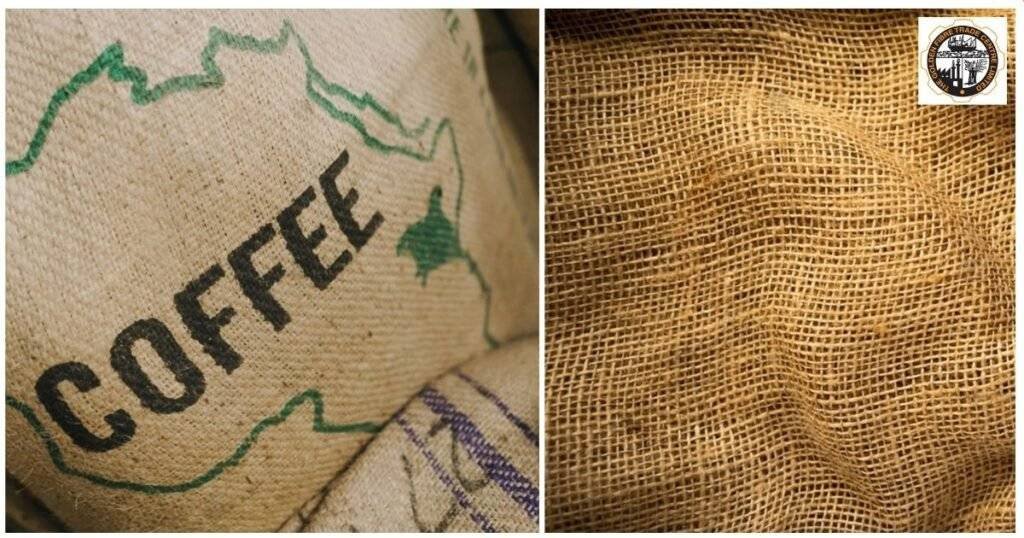
Jute Sacking Bag Export from Bangladesh, Growing Global Demand
Bangladesh has long been recognized as the world’s most reliable source of sacking bags, supplying industries that require strong, breathable, and natural packaging solutions. As global markets shift toward eco-friendly a, the demand for jute sacking Bags, especially in agricultural and industrial sectors, continues to rise. The Golden Fibre Trade Centre Ltd. (GFTCL) is committed to delivering premium-quality sacking bags to international buyers, with a strong vision to expand exports to Uganda, Sudan, Kenya, Tanzania, Papua New Guinea, Cameroon, Nigeria, Turkey, Vietnam, Netherlands, UAE, Indonesia, India & other Countries a rapidly growing market for jute-based packaging.
The Importance of Jute Sacking Bags in Global Commodity Storage
Natural Strength and Durability
Jute sacking bags are manufactured from heavy-duty jute fiber, offering excellent strength for storing and transporting commodities such as Coffee, Cocoa, Cashew, Cotton, Bean, Pulses, Potato, Grains, Tea, Tobacco, Nuts, Spices, grains, Binola, Rice, Wheat, sugar, Seed, fertilizers and other agriculture products. Farmers and traders prefer sacks for storage jute fiber bags because they are breathable, minimizing the risk of moisture buildup.
Eco-Friendly and Biodegradable
Unlike synthetic alternatives, jute sacks are 100% natural and biodegradable. With rising environmental awareness, governments and industries are adopting jute sacking bags as a sustainable solution.
Types of Jute Sacking Bags Exported from Bangladesh
Bangladesh produces several varieties of jute sacking bags to meet global agricultural and industrial packaging requirements. Each type is engineered for specific commodities, ensuring strength, durability, and consistent performance. Golden Fibre Trade Centre Ltd. manufactures a complete range of these high-quality sacking bags are BINOLA, B. TWILL, CEES & BW FB.
Binola Sacking Bags: 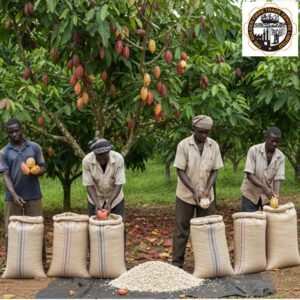
Binola Bags are specially designed heavy-duty jute sacks widely used in the Coffee, Cocoa, Cashew, Cotton, Potato, Nuts, Spices and all agricultural sectors for packing, storing, and transporting binola (cottonseed) and other bulk commodities. The Goldn Fibre Trade Centre Ltd. (GFTCL) consistently manufactures and exports high-grade Binola Sacking Bags, gaining strong appreciation and demand in markets worldwide. Their durable construction, natural breathability, and high load capacity make them ideal for handling moisture-sensitive agricultural products.
Major Uses:
Agricultural Commodities Packaging:
Beyond cotton, Binola Sacking Bags are also used for Wheat, Maize, Paddy, Pulses, Rice, Oilseeds. The breathable texture reduces spoilage and maintains freshness during storage.
Food-Grade Applications (VOT Treated Bags):
When treated with VOT (Vegetable Oil Treatment) or MOT (Mineral Oil Treatment), these bags are suitable for: Coffee, Cocoa, Potato, Food grains and other food-contact commodities. VOT enhances food safety compliance for international markets.
Cotton & Seed Cotton Packaging:
Binola Sacking Bags are primarily used for: Binola (cottonseed), Lint cotton, Seed cotton, Raw cotton handling. Their natural ventilation helps maintain cotton quality by preventing moisture buildup and heat retention.
Industrial Uses (MOT Treated Bags):
Binola Sacking Bags are used in rugged industrial environments for packing: Fertilizers, Sand, Animal feed, Construction materials. Their strength makes them suitable for heavy-duty operational demands.
 Storage & Long-Distance Transportation:
Because of their high tensile strength and tear resistance, Binola Sacking Bags are ideal for transporting: Agro commodities, Cottonseed, Grains, Feed products They withstand rough handling and stacking during shipment.
Relief and Humanitarian Supply Distribution
NGOs and aid agencies use these bags for packing: Food grains, Emergency rations, Agricultural relief materials. Their eco-friendly nature makes them preferable for sustainable aid operations.
Eco-Friendly Packaging Alternative
As a biodegradable natural fiber product, Binola Sacking Bags are increasingly used as a replacement for plastic sacks in: Agriculture, Commodity storage, Rural markets, Industrial packaging.
Why Binola Bags Are Preferred?
- Heavier than regular jute sacks.
- Breathable and moisture-resistant.
- Fully biodegradable and environmentally friendly.
- High load-bearing capacity.
- Suitable for food-grade and industrial applications (VOT/ MOT treated).
- Cost-effective and widely available for large-scale use.
Result:
Jute sacking bags have proven to be a reliable and sustainable packaging solution for global commodity storage and transportation. Their strength, breathability, and eco-friendly nature make them ideal for protecting agricultural and industrial products while meeting international export and food safety standards. As global demand for natural packaging continues to grow, jute sacking bags from Bangladesh remain a preferred choice for buyers worldwide.

Conclusion:
Jute sacking bags are essential for global commodity storage, offering strength, breathability, and sustainability. As markets shift away from synthetic packaging, they remain a reliable, eco-friendly solution for protecting agricultural and industrial commodities such as coffee, cocoa, cashew, Potato, grains, cotton, and food crops.
Bangladesh plays a key role in the global supply chain by producing high-quality jute sacking bags for diverse storage and export needs. From Binola bags to other specialized varieties, these bags ensure product safety, reduce moisture damage, and support long-distance transportation.
With growing demand across Africa, the Middle East, Asia, and Europe, The Golden Fibre Trade Centre Ltd. (GFTCL) is committed to delivering export-grade jute sacking solutions that meet international standards and support sustainable trade. As sustainability and food safety become increasingly important, jute sacking bags remain a trusted choice for protecting commodities and promoting a greener global economy.
Frequently Asked Questions (FAQ)
1. What is a sacking bag?
A jute sacking bag is a strong, breathable packaging bag made from natural jute fiber, widely used for storing and transporting agricultural and industrial commodities. jute sacking bags are 100% biodegradable, natural, and environmentally friendly, making them a sustainable alternative to plastic packaging.
2. Why are jute sacking bags used for global commodity storage?
Overall, Traders and exporters prefer jute sacking bags for global commodity storage because they provide high strength, natural ventilation, moisture control, and eco-friendly performance during long-distance transportation.
3. Which commodities do traders best store in jute bags?
Jute bags are ideal for storing coffee, cocoa, cashew, grains, rice, wheat, cotton, sugar, pulses, oilseeds, potatoes, and food crops.
4. Sacking bags are suitable for coffee and cocoa export?
Yes, exporters widely use sacking bags, especially VOT-treated bags—for coffee and cocoa exports because they offer breathability, food safety compliance, and moisture protection.
5. Which types of sacking bags does Bangladesh export?
Bangladesh exports several types of jute sacking bags, including Binola, Twill (B-Twill & L-Twill), CEES, and DW FB, each designed for specific commodities and load requirements.
6. Can buyers use jute sacking bags for food-grade packaging?
7. Why is Bangladesh a leading exporter of jute sacking bags?
Bangladesh is a leading exporter due to its high-quality raw jute, skilled manufacturing expertise, competitive pricing, and long experience in export-grade jute production, with companies like The Golden Fibre Trade Centre Ltd. (GFTCL) playing a key role in supplying international markets.
8. Do jute sacking bags help reduce moisture damage?
Yes, the breathable weave of jute sacking bags allows airflow, reducing moisture buildup and helping preserve the quality of stored commodities.
9. Are jute sacking bags suitable for long-distance transportation?
Yes, jute sacking bags withstand rough handling, stacking, and long-distance shipping, making them ideal for export logistics.
10. Why are jute sacking bags better than plastic bags?
As a result, jute sacking bags are breathable and biodegradable. They are reusable and environmentally safe. In contrast, plastic bags trap moisture. Moreover, contribute to environmental pollution.
11. Can The Golden Fibre Trade Centre Ltd. (GFTCL) customize jute sacking bags for export orders?
Yes, manufacturers customize jute sacking bags by size, weight, treatment (VOT/MOT), stitching, and packing to meet specific export and buyer requirements.
Contact Info:
Get in touch with us today for detailed information about our jute products and export services.
For Raw & Processed Jute Inquiries: +880 1750-128381
For Sacking, Hessian & Yarn Inquiries: +880 1750-128388
WhatsApp: +8801711561252
Email: info@simuragroup.com
Telephone: +88028713301-04
Office Address: 109 Masjid Road, Banani, Dhaka, Bangladesh